Gardeners don’t book planting services because they fancy someone else digging a few holes; they book them because timing is the difference between “thriving” and “barely hanging on”. In professional gardening, the surprising skill isn’t speed - it’s restraint, and knowing when not to put a plant in the ground. For homeowners, that patience translates into fewer replacements, less watering panic, and a garden that settles in properly instead of sulking for a season.
It’s tempting to treat planting like assembling flat-pack: get it done, tick it off, move on. Plants don’t work like that. They’re living systems, and they notice everything - cold soil, drying winds, the week you go away, and whether the roots ever make contact with decent ground.
The day I stopped “getting it over with”
I once watched a neighbour plant a row of laurel on the first sunny weekend in March. It looked productive: straight line, fresh compost, tidy mulch, the lot. Then we had a sharp cold snap, the soil stayed wet for days, and half of them sat there with that grey-green, offended look plants do when they’ve been rushed.
A local gardener came round later to quote for replacements and said something I didn’t expect: it wasn’t the cold that killed them, it was the combination - cold soil, saturated ground, then wind. The plants never got a chance to root in before they were asked to cope. The “quick win” became a slow leak of time and money.
The real reason pros don’t rush: plants need a runway
Planting is the moment you ask a plant to switch from nursery life - sheltered, regularly watered, predictable - to real-world conditions. That change is stress, even when everything is done neatly. Professional gardeners build in a runway: conditions that let roots move out, find moisture, and stabilise the plant before weather or pests pile on.
Rushing skips the runway and goes straight to take-off in a headwind. You might get away with it sometimes, but it’s not how you get consistent results across dozens of gardens and hundreds of plants.
Soil temperature matters more than the air
A mild day can trick you. The air feels like spring; the soil is still winter. In cold ground, roots slow down, and water sits around them for longer. That’s when you see the classic “it just didn’t do anything” planting - the plant survives, but it never really starts.
Pros will often wait for the soil to warm and drain a bit rather than chasing a calendar date. It’s not laziness. It’s avoiding weeks of stalled growth that you can’t recover later.
Moisture is about balance, not “more water”
Newly planted stock needs reliable moisture, but it also needs oxygen around the roots. Waterlogged soil is effectively suffocation, and compacted ground makes it worse. When a professional pauses planting after heavy rain, they’re not being fussy - they’re protecting root function.
This is why good planting services often include soil improvement as part of the job, not as an optional extra. If the soil can’t hold the right balance of air and water, you end up compensating with constant watering and still losing plants in extremes.
What professionals actually do while they’re “waiting”
From the outside, it can look like gardeners are delaying. In reality, the waiting is full of set-up work that makes planting stick.
Here’s the kind of groundwork that often happens before a single plant goes in:
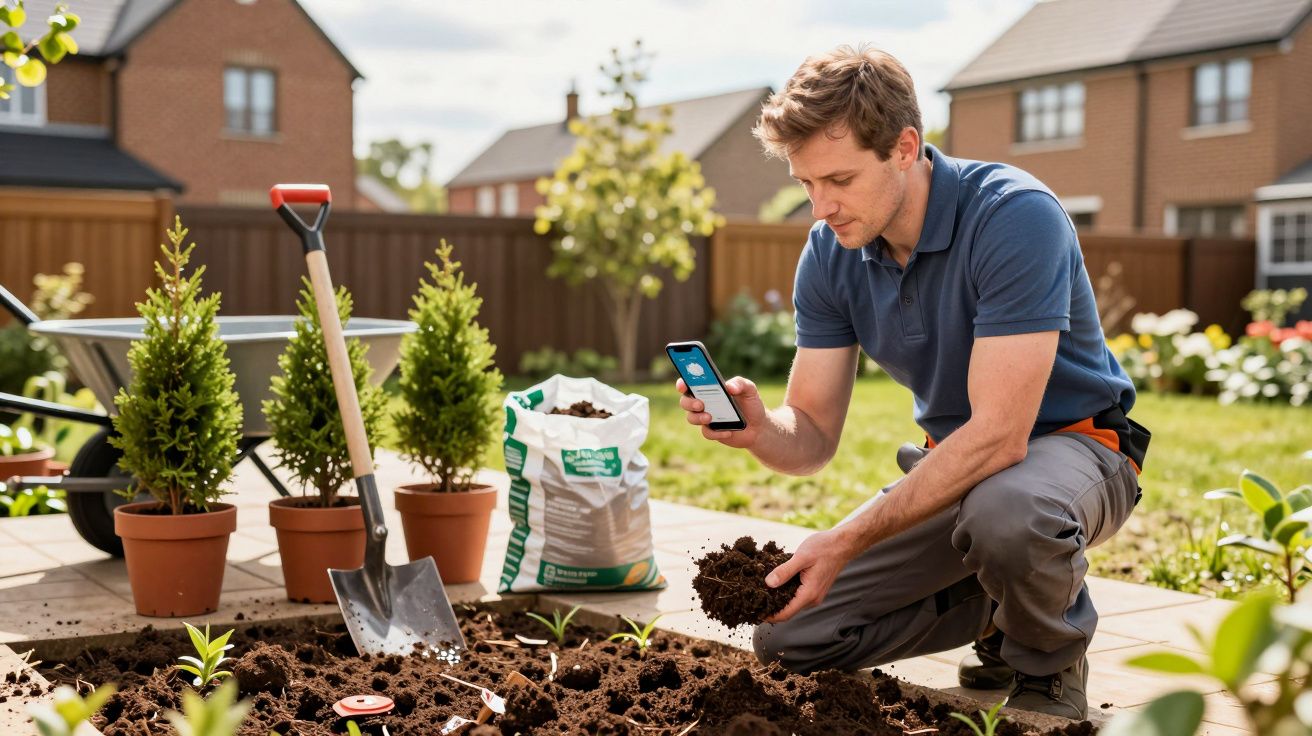
- Checking drainage and compaction: a quick spade test tells you whether roots will move or hit a brick wall.
- Adjusting the plan to the microclimate: a sunny border in July is a different planet to a shady, windy front garden.
- Staging plants: keeping them watered, sheltered, and hardened off so they don’t go from greenhouse to gale overnight.
- Preparing holes properly: not just “big enough”, but shaped so roots can explore rather than circle.
- Sourcing at the right moment: planting a tired, pot-bound bargain often costs more in replacements than buying good stock a week later.
None of that photographs as well as a finished border, but it’s where the success rate lives.
The hidden costs of rushing (and why they show up months later)
The most annoying thing about rushed planting is that it can look fine at first. Leaves stay green. The plant stands upright. You feel relieved.
Then summer arrives and the plant behaves like it has no savings account. A single hot week and it collapses because the roots never travelled. Or winter follows and it fails because new growth didn’t harden off in time. The problems aren’t dramatic in the moment; they’re delayed invoices.
Common “rushed planting” outcomes pros try to avoid:
- Shallow rooting, leading to constant watering and wind-rock.
- Root rot, especially with evergreens planted into cold, wet ground.
- Frost-lift, where alternating freeze and thaw physically shifts new plants.
- Poor establishment, meaning year two looks worse than year one (a classic red flag).
A professional’s reputation is basically built on what your garden looks like later. That’s why they move at the pace the plants demand.
The quiet power of planting windows
There’s a reason experienced gardeners love certain periods: early autumn, or a calm spring once the soil is workable and warming. In those windows, plants can root without fighting extremes. Rain tends to be more helpful than punishing. Sun is less brutal. Growth is steady instead of panicked.
That’s also why planting services can feel “booked up” at predictable times. It isn’t just demand - it’s that there are only so many genuinely good weeks in a year for establishing new plants without heroic aftercare.
A simple rule professionals follow: reduce the aftercare you’ll need
If planting requires you to water twice a day and shade everything with improvised bedsheets, it may be the wrong moment. Pros aim for conditions where aftercare is consistent and realistic: deep watering, mulching, and monitoring - not emergency measures.
This is especially true for people who travel, work long hours, or simply don’t want the garden to become another daily obligation. Good timing is the most underrated labour-saving tool in gardening.
If you want the “pro approach” without the pro budget
You don’t need a clipboard or Latin plant names. You need a calmer plan.
- Plant when you can commit to two to four weeks of check-ins, not when you’re about to disappear.
- Avoid planting into sopping wet soil; improve it first or wait for it to drain.
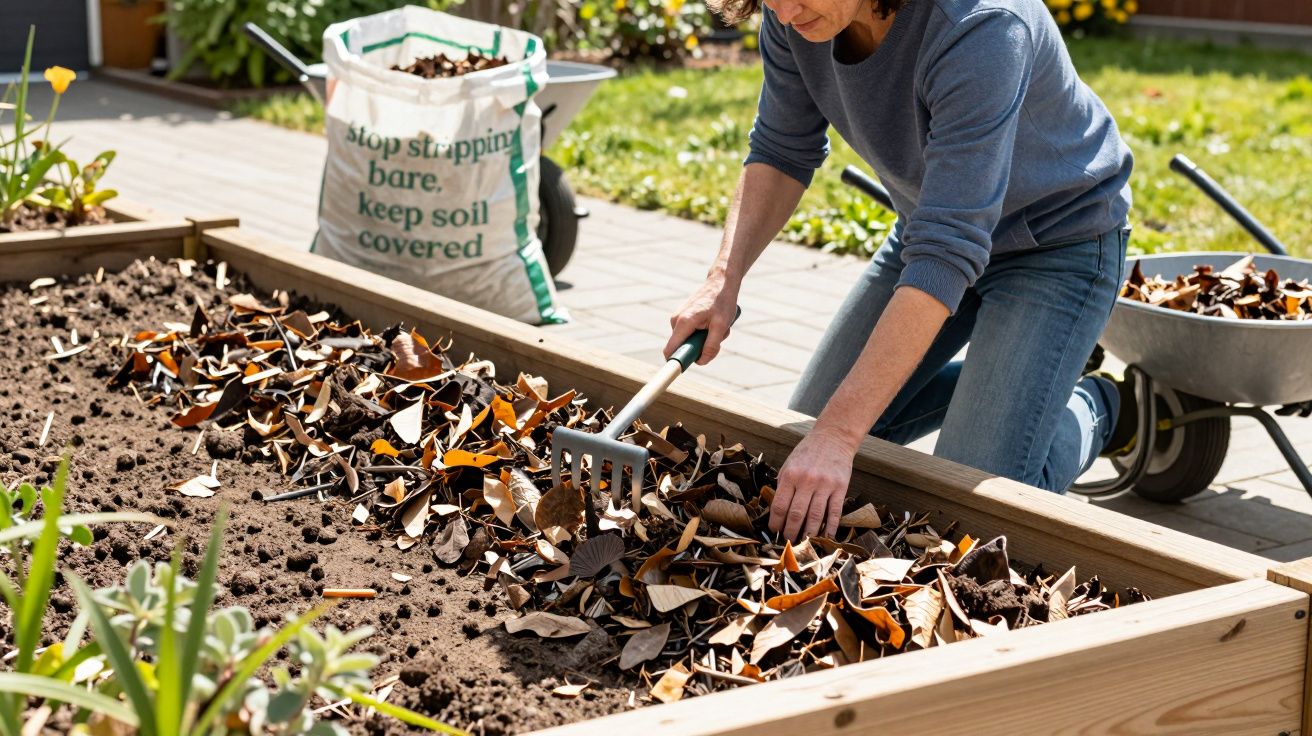
- Mulch like you mean it: it’s moisture control, temperature buffering, and weed suppression in one move.
- Don’t chase a sunny weekend. Chase a stable fortnight.
There’s a particular satisfaction in doing less, better. Not rushing planting is one of those boring-sounding decisions that quietly makes a garden easier, cheaper, and far more likely to look like the picture you had in your head.
FAQ:
- Is it ever OK to plant quickly if the weather looks good? Sometimes, especially with hardy plants and decent soil, but professionals still check soil moisture and forecast swings. A single warm day doesn’t cancel a cold week.
- What’s the best season for new planting in the UK? Early autumn is often ideal because soil is warm and rainfall is steadier. Spring can be great too once the ground has warmed and isn’t waterlogged.
- Why do newly planted shrubs die in summer even if they looked fine in spring? They often never established deep roots. Heat exposes weak rooting fast, turning “fine” into “crispy” in a week.
- What should planting services include beyond putting plants in the ground? Soil assessment, basic improvement (where needed), correct planting depth, staking (if appropriate), mulching, and clear aftercare guidance.




Comments (0)
No comments yet. Be the first to comment!
Leave a Comment