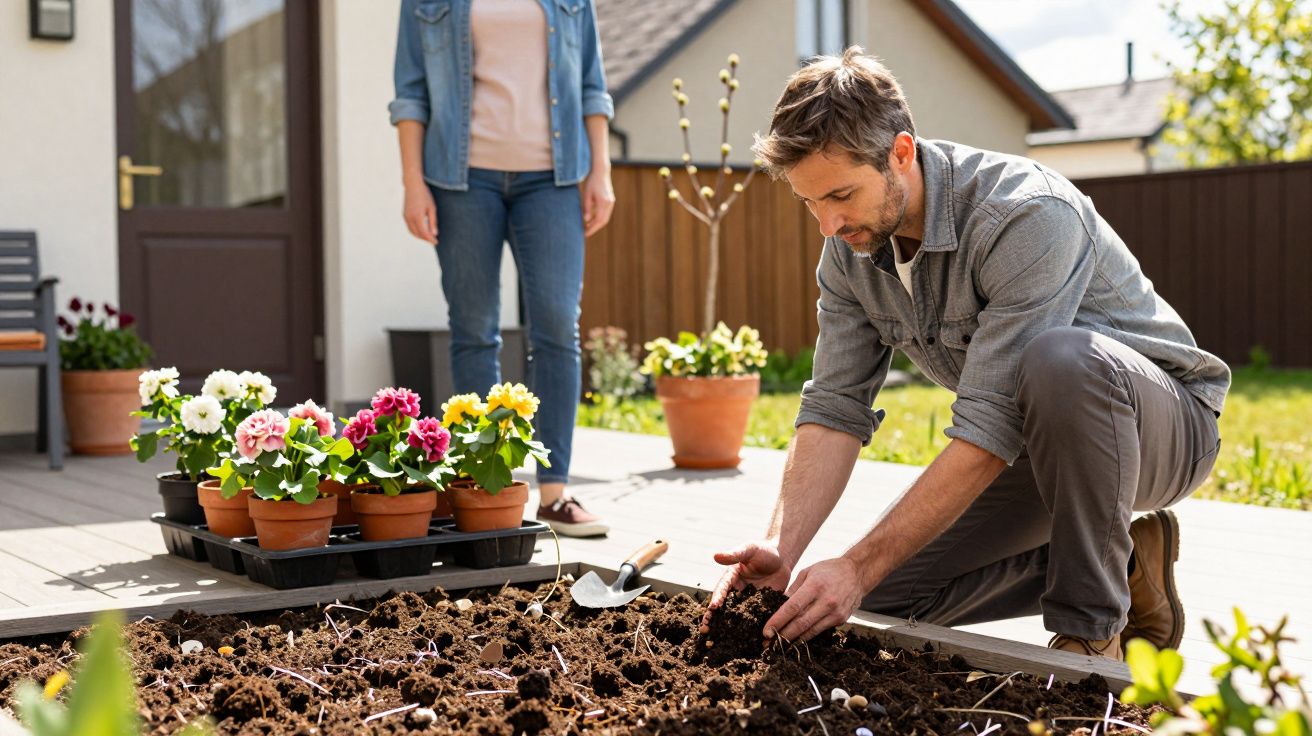
A neighbour watches the empty border and assumes the planting services have forgotten her. In professional gardening, the gap is often the point: a deliberate pause that protects plants, budgets, and your future weekends. Waiting can look like indecision, but it’s usually a signal that someone is reading the garden rather than the calendar.
I’ve stood with clients at the back door while a delivery of perennials sat in trays, perfectly healthy, and still not going in. The soil was cold, the wind had teeth, and a bright forecast was lying. The best gardeners can feel a season that hasn’t arrived yet.
Why “not yet” is sometimes the most skilled move
Most planting failures don’t happen on planting day. They happen in the fortnight after, when roots are asked to perform in conditions they can’t handle: waterlogged ground, a surprise frost, a hot spell that arrives early and stays. Delaying planting is how professionals dodge that trap.
There’s also a quiet truth people forget: plants don’t read bank holidays. They respond to soil temperature, day length, drainage, and stress. The calendar is a suggestion; the garden is a set of rules.
In practice, a delay is rarely about laziness. It’s about giving a plant the one thing it can’t buy later: a stable start.
The invisible checks a professional does before a spade goes in
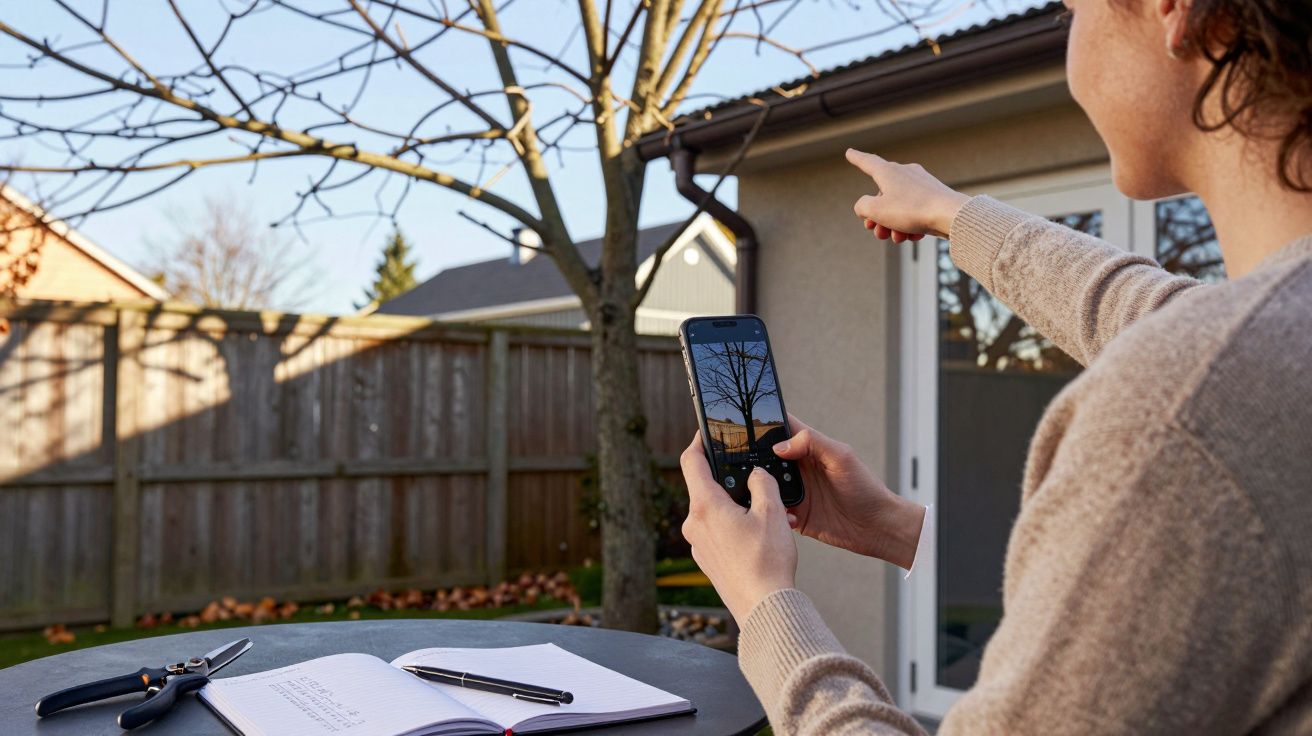
A good gardener will do “nothing” for ten minutes and gather more information than a rushed planter does all afternoon. They’ll squeeze soil, watch how water sits, and look at what’s already waking up nearby.
Typical reasons planting gets pushed back:
- Soil is too wet to work. If you can roll it into a sausage and it shines, you’ll compact it by stepping on it. Compaction is a long-term problem disguised as a short-term job.
- Soil is too cold. Roots stall, then rot. Tender plants sulk, and even tough ones just sit there, burning energy.
- A cold snap is forecast. Not just frost-dry, biting winds can scorch evergreens and desiccate new transplants.
- Heat is coming. Planting right before an early warm spell is like moving house and immediately running a marathon.
- Pest pressure is peaking. Slugs in mild, damp springs can erase a fresh planting overnight.
You’ll often see them shift effort to preparation instead: improving structure, checking irrigation, or hardening plants off. It looks like delay. It’s actually loading the dice.
A small story: the bed that failed because we were “on time”
One April in the South East, a client wanted a front border finished before guests arrived. The ground looked workable from a distance, but under the surface it was slick and heavy. We planted anyway-because the date mattered more than the conditions.
Ten days later, the border looked tired rather than new. Leaves dulled, stems leaned, and the soil crusted where we’d walked. When rain returned, it pooled in the footprints. Nothing died dramatically; it just never really started, like a conversation that stays polite and empty.
The following year we did the same border later, in a smaller window of drier weather, after we’d opened the soil with compost and kept foot traffic off it. The difference was insulting. The plants moved within a week. Timing didn’t make it pretty; timing made it alive.
What “delaying planting” looks like when it’s done properly
Professionals don’t just wait. They swap the order of operations so planting becomes the final step, not the first.
Here’s what that usually includes:
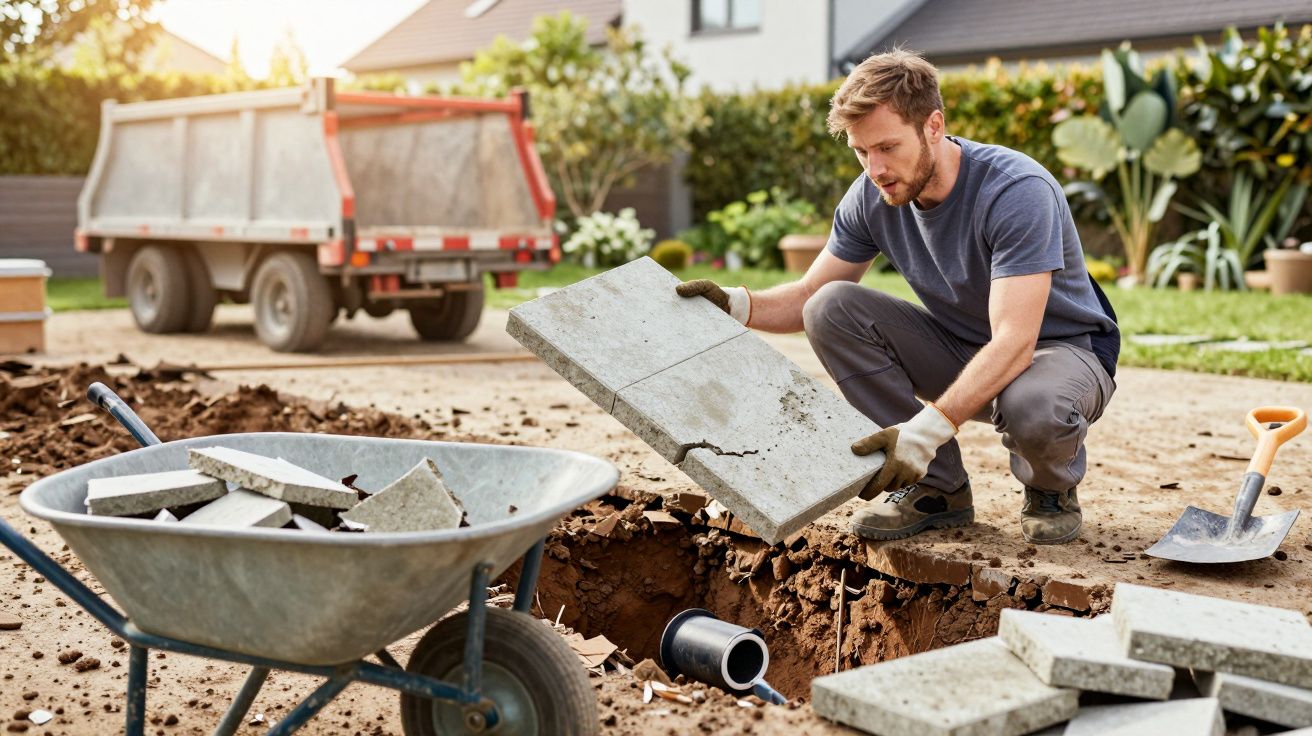
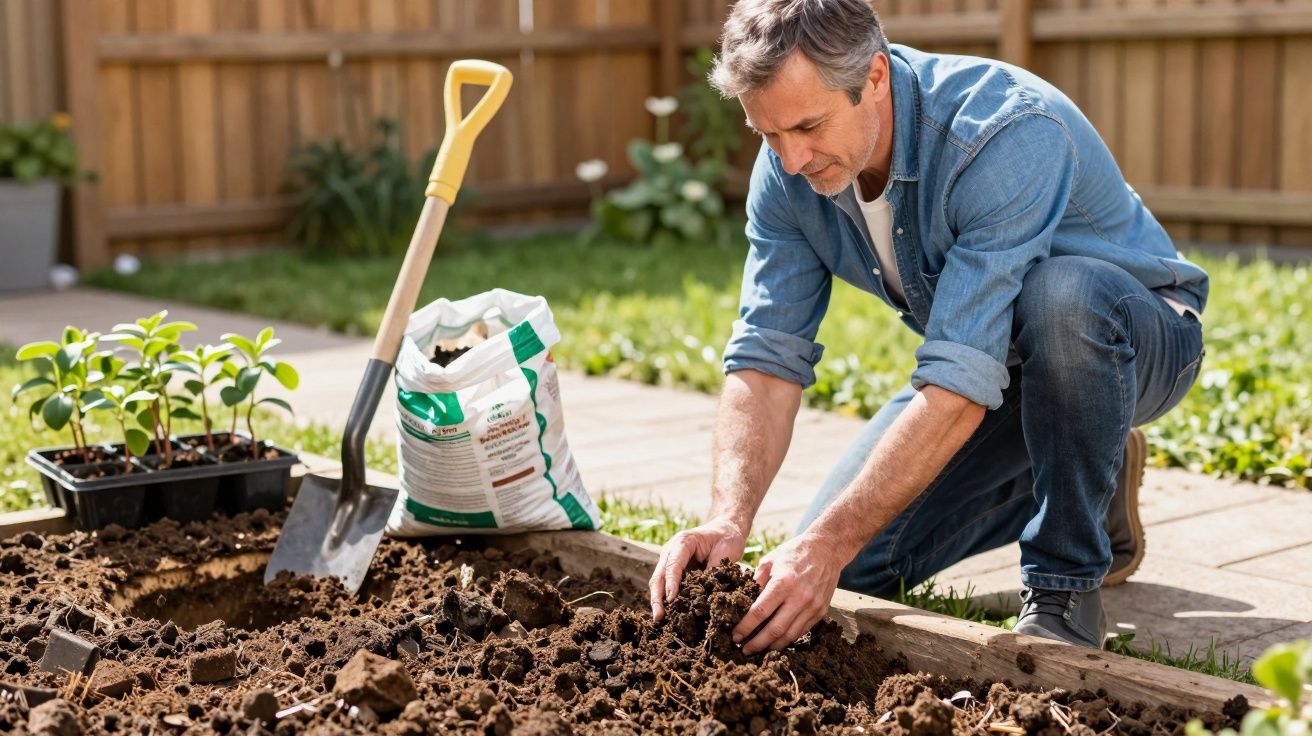
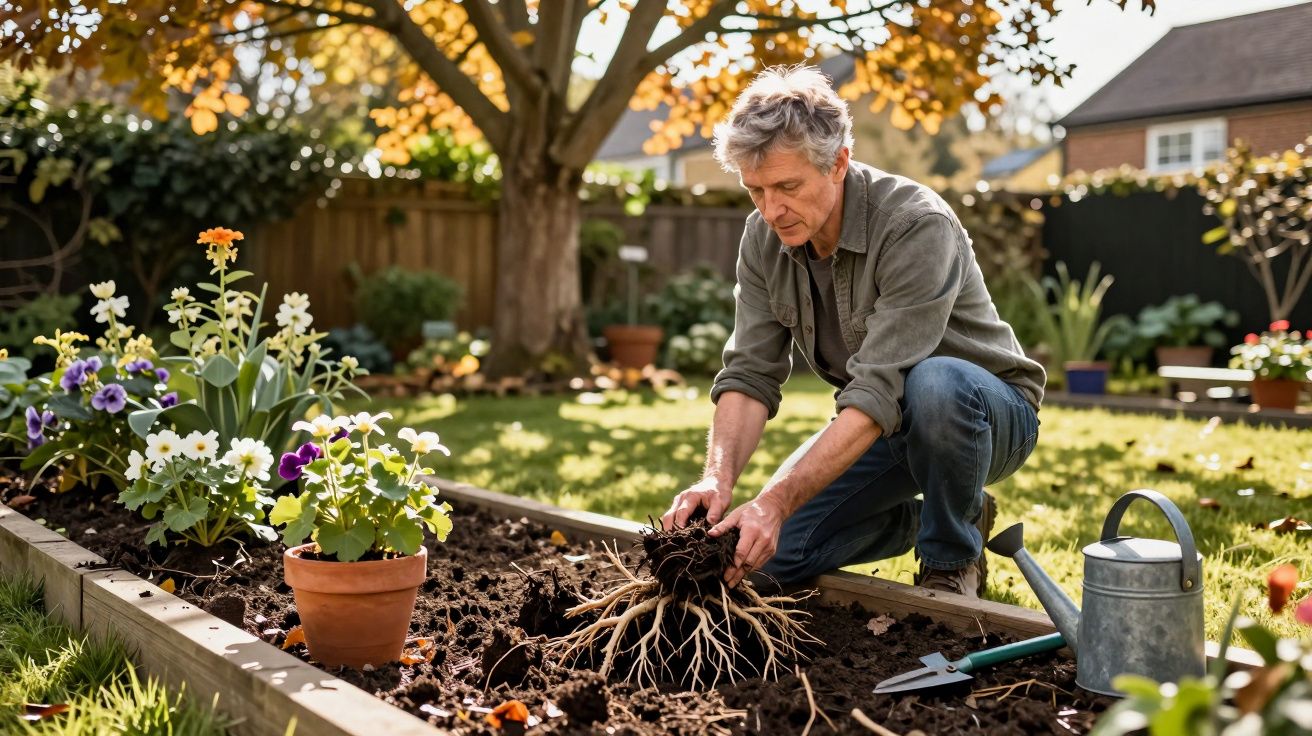
- Prep the soil first, while it’s workable. Lift, aerate, add organic matter, and level without smearing it into a brick.
- Stage the plants. Keep them watered, sheltered from wind, and in light that matches their eventual position.
- Plant in a tighter, safer window. A day of calm, mild weather beats three weekends of wrestling mud.
- Water once, well, then monitor. Not a daily sprinkle. A deep soak that encourages roots to travel.
- Mulch after planting. To steady moisture and temperature and reduce the “transplant shock” swing.
It’s the same logic as finishing pasta in the sauce: you stop treating steps as separate chores and start treating them as one system.
The real payoff: fewer replacements, less maintenance, better growth
Delayed planting is often cheaper in the end, even if it feels like you’re paying someone to “come back later”. Plants that go in under stable conditions root faster, need less rescue watering, and face fewer disease problems caused by stress.
It also changes what your garden asks of you. When plants establish well, they compete with weeds sooner, shrug off hot spells better, and don’t require constant propping, feeding, and apologising.
A useful way to think about it:
| If you plant… | You risk… | You gain… |
|---|---|---|
| Too early | Rot, frost damage, stalling | A date on the calendar |
| Too late (in heat) | Wilting, high watering needs | Faster soil warmth |
| In the right window | Rapid rooting, steady growth | Less work for months |
When you should worry - and when you shouldn’t
Not every delay is strategic. Sometimes it’s poor planning, and you’re right to ask what’s going on. The difference is whether you’re being given clear reasons and a clear next move.
Good signs:
- Your gardener explains the condition (soil moisture, temperature, forecast) in plain terms.
- They propose what happens instead this week (prep, pruning, edging, irrigation checks).
- They give a revised window and what would change it.
Red flags:
- Vague excuses without a plan.
- Plants left to dry out in pots for weeks.
- No mention of soil condition, weather, or aftercare.
A professional delay should feel like control, not drift.
FAQ:
- Is it ever better to plant in light rain? Yes. Damp soil can be ideal if it’s not saturated and you’re not compacting it by walking on it.
- Won’t delaying mean missing the “best” season? Usually not. Most ornamentals have a wide planting window; the best day is the one that lets roots settle without extremes.
- What can planting services do while we wait to plant? Soil improvement, mulching, weed control, bed edging, staking, and irrigation setup-jobs that make planting succeed later.
- How do I know if my soil is too wet? Grab a handful and squeeze. If it smears, shines, or forms a sticky ball that won’t crumble, it’s too wet to work.
- Do professionals delay planting for new lawns too? Often. Turf and seed both fail fast in waterlogged ground or sudden heat; waiting for a stable forecast usually saves money and patching later.

Comments (0)
No comments yet. Be the first to comment!
Leave a Comment