Soil is the part of the garden you don’t “see”, yet it dictates almost everything you do in garden preparation-from what thrives to what sulks, from how often you water to how much you weed. The funny thing is, experienced gardeners rarely talk about it like scenery. They treat it like a working tool: something you read, adjust, and protect.
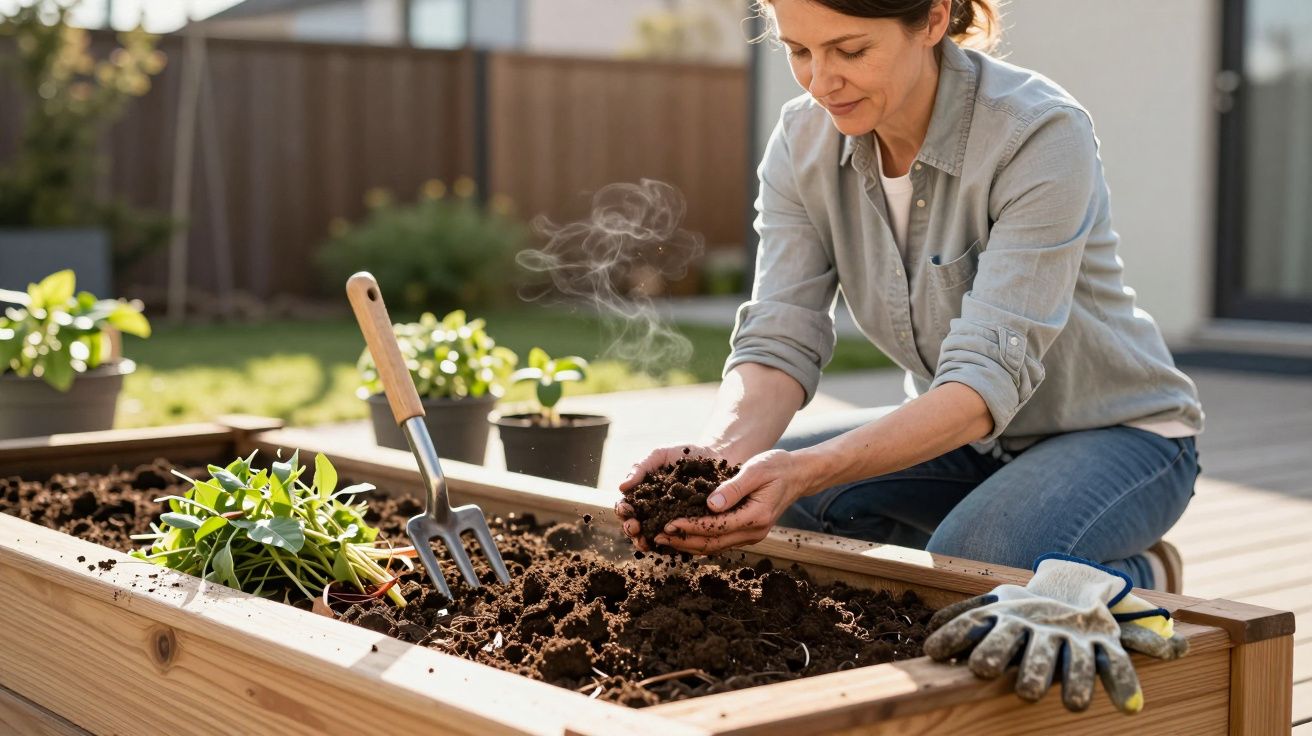
I learnt this watching a neighbour prep her beds on a cold March morning. She wasn’t fussing over labels or colour schemes; she was crumbling a handful of earth between her fingers, sniffing it, and nodding as if it had answered a question. The plants were still in pots. The real work had already started.
Why soil never stays “in the background” for long
You can ignore soil for a season, sometimes two, and still get flowers. But the garden will invoice you later-through stunted growth, yellowing leaves, slugs taking over, or a constant feeling that you’re doing twice the watering for half the result. Good gardeners don’t romanticise this. They just recognise that soil is where the bottlenecks live.
Most gardening “problems” are actually soil problems in costume: drainage that’s too fast or too slow, compaction from foot traffic, low organic matter, a pH that locks up nutrients, or a microbe community that’s been starved by bare ground. Once you’ve been burned by one of these, you stop treating soil like the stage and start treating it like the engine.
“You don’t fix a struggling border with a prettier plant. You fix what the roots are living in,” an old allotment holder told me, while pointing at a shiny, compacted bed like it had personally offended him.
The quiet habits that make gardeners soil-first
Gardeners who get consistent results tend to share the same unglamorous rhythm. Not heroic interventions-small, repeated choices that keep soil workable, fed, and covered.
1) They keep a simple “read” of the ground
They don’t need lab coats. They use clues.
- Texture test: rub damp soil between finger and thumb. Gritty = sandy, sticky = clay, silky = silt-heavy.
- Drainage check: after rain, does water sit for hours, or disappear in minutes?
- Spade test: can you push a spade in cleanly, or does it bounce off a hard pan?
- Plant signals: lush tops with weak roots, or vice versa, usually points back to structure and moisture.
The point isn’t to become obsessive. It’s to stop guessing.
2) They treat garden preparation as sequencing, not effort
It’s rarely “add a miracle product”. It’s order. Do the right thing at the right time, and you need less of everything else.
A common pattern looks like this:
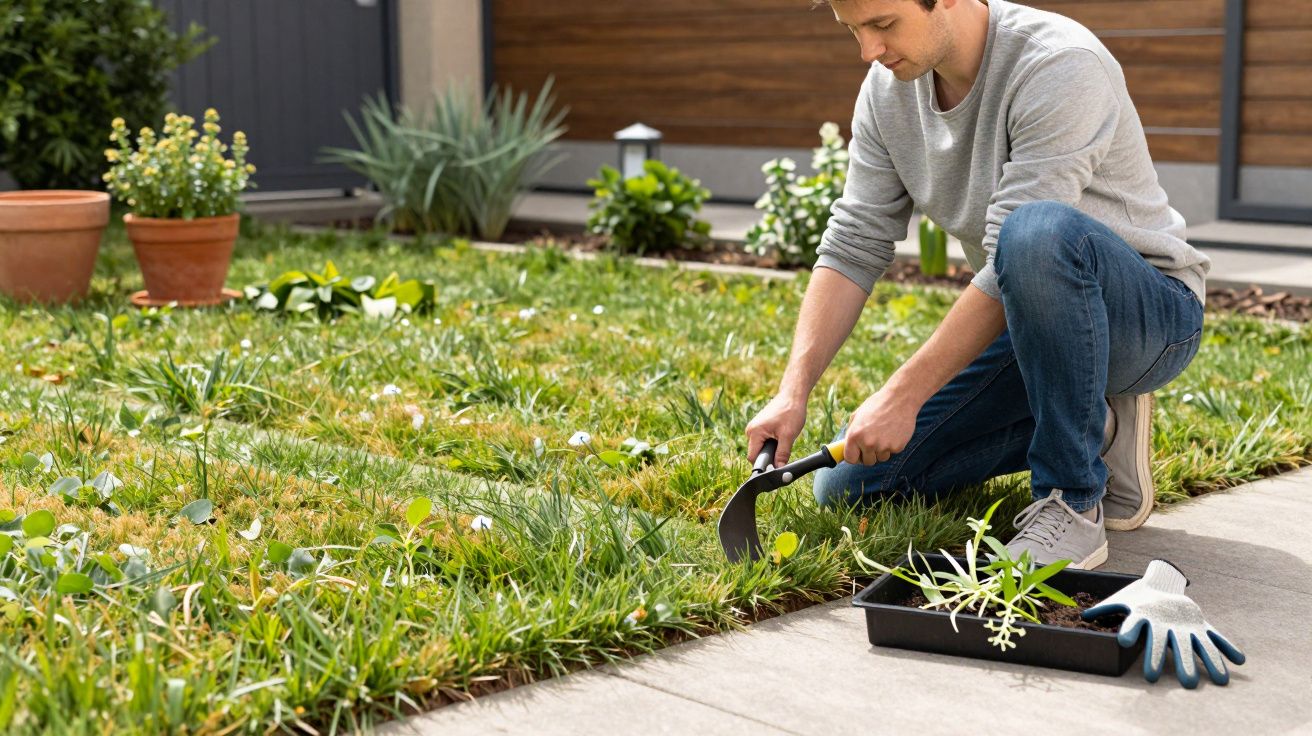
- Clear, don’t churn: lift weeds, remove roots, keep disturbance minimal where you can.
- Open the soil: fork or broadfork to relieve compaction without turning layers upside down.
- Add organic matter: compost, well-rotted manure, or leaf mould-then leave worms to mix it in.
- Cover: mulch, compost blanket, or a green manure if you’ve got a gap.
Think of it as: loosen, feed, protect. The rest is details.
3) They obsess over structure, because structure is everything
Nutrients matter, but structure decides whether roots can reach them and whether water behaves. A crumbly, well-aerated soil holds moisture without becoming a swamp and drains without becoming a desert. It also warms faster in spring, which makes sowing and planting feel “easier” (it isn’t easier-you just removed resistance).
That’s why gardeners talk about compost like it’s a household staple. It improves structure in almost every soil type, just in different ways: loosening clay, bulking sandy ground, and feeding the soil life that does the real engineering.
The biggest mistake: treating soil like a blank canvas
The blank-canvas approach usually looks like this: dig hard, break every lump, add a bit of fertiliser, plant, and hope. It can work short-term, but it often strips out what makes soil resilient-aggregates, fungal networks, worm channels-and replaces it with a cycle of collapse and repair.
Two classic traps:
- Over-digging: especially when the ground is wet. It smears clay into plates and sets like concrete.
- Leaving soil bare: winter rain compacts the surface, washes nutrients down, and invites weeds to move in.
Let’s be honest: nobody keeps perfect soil all year. The difference is that good gardeners build in a reset-an annual or seasonal routine that restores structure and cover before things slide.
A practical “soil reset” you can copy this weekend
This is the low-drama routine that suits most gardens in the UK, especially if you’re doing garden preparation in late winter, spring, or early autumn.
- Pick a dry-ish day. If it’s sticking to your boots, wait.
- Weed and tidy first. Don’t bury weeds you can remove.
- Loosen with a fork (not a rotavator). Lift and wiggle to create air gaps; don’t flip layers.
- Top-dress with 2–5 cm of compost. More on hungry beds, less on established perennials.
- Mulch paths and bare edges. Woodchip on paths, compost on beds-keep it simple.
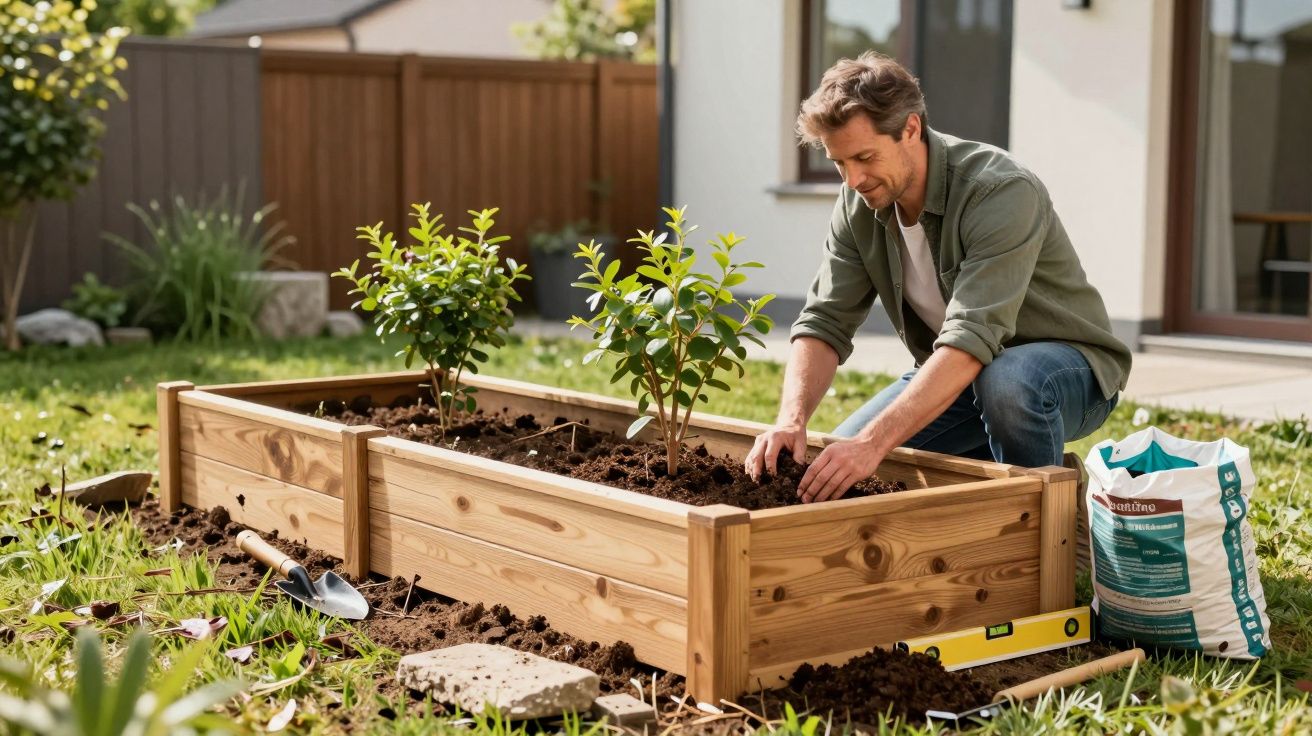
- Plant into the compost layer. Let roots find their way down; don’t overwork the bed.
You’ll notice the change in watering before you notice it in flowers. Soil improvements pay you back quietly.
Why this mindset makes gardening feel less like firefighting
When soil is healthy, the garden stops demanding constant corrections. Seedlings establish faster. Plants cope better with heat and dry spells. Weeds are easier to pull because the ground is friable, not welded. Even pests tend to feel less catastrophic because plants aren’t already stressed.
It’s not mystical. It’s preventative maintenance-like keeping tools sharp. Gardeners don’t treat soil as background because it’s the one thing every plant shares, and the one thing you can improve without having to “start over”.
| Soil signal | What it often means | Best first move |
|---|---|---|
| Water sits on top | Compaction or heavy clay | Fork to aerate + compost top-dress |
| Dries out in a day | Low organic matter / sandy soil | Compost + mulch to slow evaporation |
| Hard crust, weeds love it | Bare ground + rain impact | Cover with mulch or green manure |
Takeaway to swap over the fence
If you want garden preparation to feel calmer, put your attention where the garden puts its bets: the soil. Don’t chase perfection with bigger inputs. Build structure with compost, reduce needless disturbance, and keep the surface covered so weather can’t undo your work. Once the ground is right, plants stop feeling like a gamble.
FAQ:
- Is compost always the answer? It’s the safest starting point for most gardens because it improves structure and feeds soil life, but it won’t fix severe drainage on its own-compaction and water flow may need addressing too.
- Should I dig manure into the bed? Usually no. Spread well-rotted manure on top and let worms incorporate it; digging can disrupt structure, especially in clay.
- How do I know if I’ve got clay or sand? Wet a small handful: clay feels sticky and can be rolled; sandy soil feels gritty and falls apart quickly.
- Can I prepare soil in winter? Only if it’s not waterlogged or frozen. Working wet soil is the fastest route to compaction-wait for a drier window.
- Do I need fertiliser if I improve soil? Sometimes, especially for heavy-feeding crops, but better soil often reduces how much you need and makes nutrients more available.


Comments (0)
No comments yet. Be the first to comment!
Leave a Comment