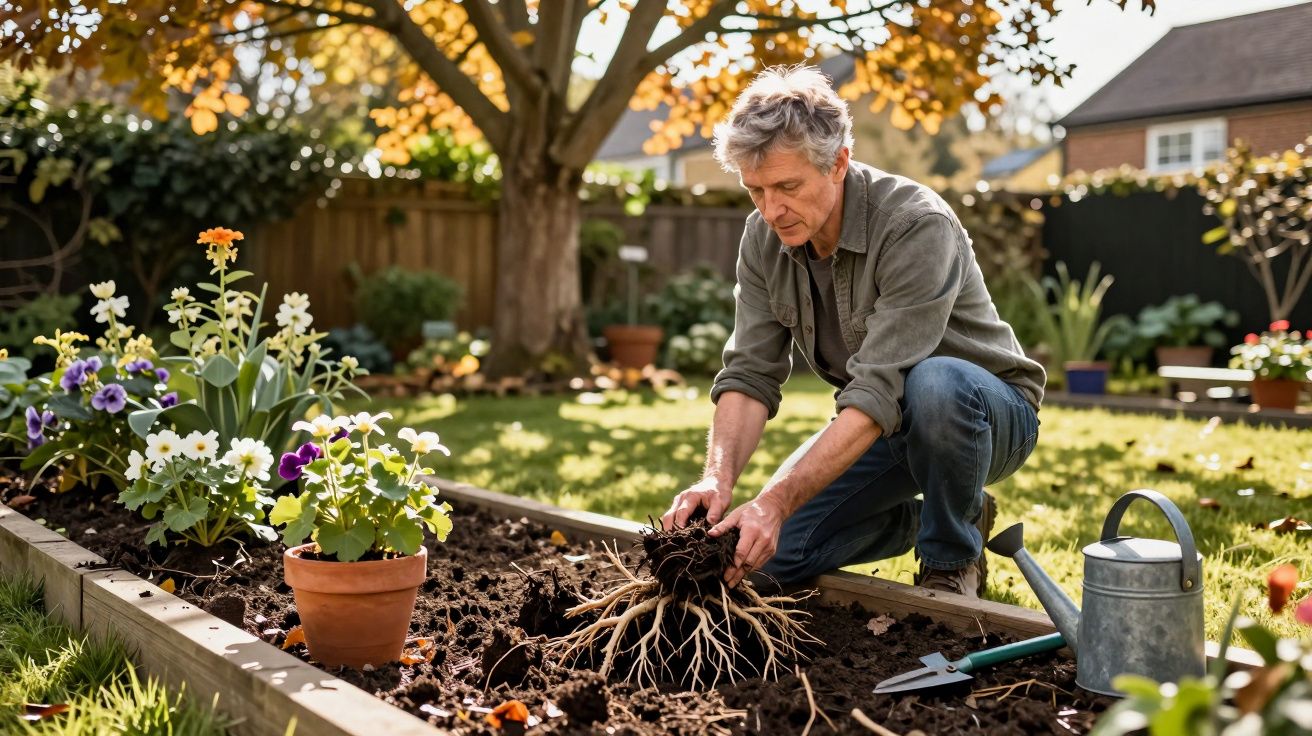
You can walk into an established garden with a plant list in your pocket and the best planting services on speed dial, and still end up confused by how “simple” changes refuse to behave. A border that would thrive in a new-build sulks here. A shrub that “loves sun” cooks in a spot that looks bright all day. It matters because the older the garden gets, the more it starts following its own rules.
The surprise is that established gardens don’t just have more plants. They have history-stored in the soil, the shade, the roots, and the way water moves after heavy rain. Planting in them is less about what you want to add, and more about what you’re negotiating with.
The moment you realise “empty space” isn’t actually empty
In a young garden, bare soil feels like a blank page. In an established one, that same gap is usually a busy crossroads. There are roots threading through it, fungal networks feeding old shrubs, and a light pattern that changes hour by hour as canopies sway and mature.
That’s why copying a planting plan from a magazine often fails in older gardens. Not because the plan is bad, but because the plan assumes a clean start. Your garden is mid-story.
It also explains a common experience: you dig a neat hole, plant carefully, water religiously, and the new plant still stalls. It isn’t always disease or “bad luck”. Sometimes it’s simply been dropped into an underground crowd.
Why older gardens have microclimates you can’t see on a plan
Established planting creates its own weather. A tall hedge steals wind and traps warmth. A line of evergreens keeps the soil drier than you expect, even in a wet British spring. A wall that bakes in June can be cold and shaded in February because the garden’s structure blocks low winter sun.
These small shifts turn “full sun” into several different types of sun:
- Hot afternoon sun with dry soil near paving or south-facing walls
- Bright, filtered light under deciduous trees in summer (but open sky in winter)
- Morning sun and afternoon shade where the house or fence takes over later in the day
Plant labels rarely capture those nuances. An established garden forces you to read the site, not the tag.
A useful habit is to stand in one spot three times: morning, mid-afternoon, and evening. You don’t need a notebook worthy of Kew. You just need to notice what’s actually happening rather than what you assume is happening.
The underground issue: roots, competition, and “borrowed” moisture
When people talk about mature gardens, they talk about shade. The real drama is often below ground.
Roots from trees and large shrubs don’t politely stop at the drip line. They travel, they weave, and they take resources first because they got there years ago. New plants arrive as tenants, not owners.
That changes the logic of planting. In an established garden, you often have to decide which problem you’re solving:
- Competition for water (common under trees, conifers, and big hedges)
- Competition for nutrients (especially where soil has never been improved)
- Competition for space (roots physically filling the planting zone)
This is why “it’s watered, so it should be fine” can be misleading. Watering the surface doesn’t guarantee moisture where the new plant is trying to root, particularly if bigger plants are drinking the soil profile dry between your watering sessions.
The quiet shift: you’re not “planting”, you’re editing
A new border is about filling space. An established garden is usually about adjusting balance: reducing dominance, restoring airflow, and creating room for a new layer without collapsing the old one.
That’s why experienced gardeners and good planting services often start by removing, lifting, or thinning rather than adding. It can feel backwards when you’ve come to “buy plants”, but it’s frequently the fastest route to a healthier result.
Edits that change everything without making the garden feel bare:
- Crown-lifting a tree (raising the canopy slightly) to bring back usable light
- Thinning shrubs (selective removal of older stems) to reduce bulk and improve air movement
- Splitting perennials to refresh vigour and create planting pockets
- Reducing a hedge’s width so the border isn’t permanently root-dry and shaded
These aren’t dramatic redesigns. They’re small interventions that make planting possible again.
The planting logic that works better in mature beds
In established gardens, success is often less about rare plants and more about sequencing. You’re working with a living system, so you want to disturb it gently, then let it settle, then add more.
A simple, practical approach:
- Start with structure you can trust: a few shrubs or grasses that tolerate your real conditions (dry shade, wind, heavy clay).
- Add mid-layer plants that cope with competition: robust perennials that don’t sulk when roots are nearby.
- Finish with “detail” plants last: the fussier things that need consistent moisture and calmer conditions.
This order matters because early choices affect everything else. A too-dense shrub choice can steal the light you were counting on. A thirsty plant in a dry-root zone turns you into a full-time irrigator.
Established gardens reward restraint. Plant fewer things, spaced slightly wider than your shopping list wants, and the garden often looks better-not emptier-within a season.
When planting services really earn their keep
Anyone can put plants in the ground. The value in planting services, especially for an established garden, is diagnosis and risk reduction.
A good service will usually do some version of the following before planting day:
- Identify where digging will hit major roots and suggest alternatives (smaller plants, different placement, or staged planting).
- Match plants to your garden’s microclimates, not generic “sun/shade” categories.
- Improve soil only where it helps (and avoid creating “compost pockets” that dry out or collapse).
- Set expectations: what will look good quickly, what will take two seasons, and what will always be a bit of a compromise.
They’re not just planting. They’re translating a mature landscape into decisions that won’t unravel by August.
The oddly reassuring truth about established gardens
An established garden can feel stubborn, even judgemental. You try something, it fails, and you start thinking you’ve “lost your touch”. Often, the garden is simply telling you that the rules have changed.
The upside is that mature gardens also give back more. Once you plant in a way that respects their shade, roots, and rhythms, the results can be steadier and less needy than any fresh scheme. The garden stops fighting you, and starts absorbing your changes like they were always meant to be there.
| What’s different in an established garden | What to do instead | Why it helps |
|---|---|---|
| Hidden root competition | Choose tougher plants; plant smaller; water deeper, less often | New plants establish without constant rescue |
| Microclimates created by maturity | Observe light and moisture through the day | Plant choices match reality, not assumptions |
| Space is “claimed” by existing structure | Edit first (thin, lift, divide), then add | Creates room and reduces failure rates |
FAQ:
- Is it better to plant in spring or autumn in an established garden? Autumn is often easier because the soil is warm and moisture is more reliable, but spring can work well if you’re ready to water through dry spells and competition from established roots.
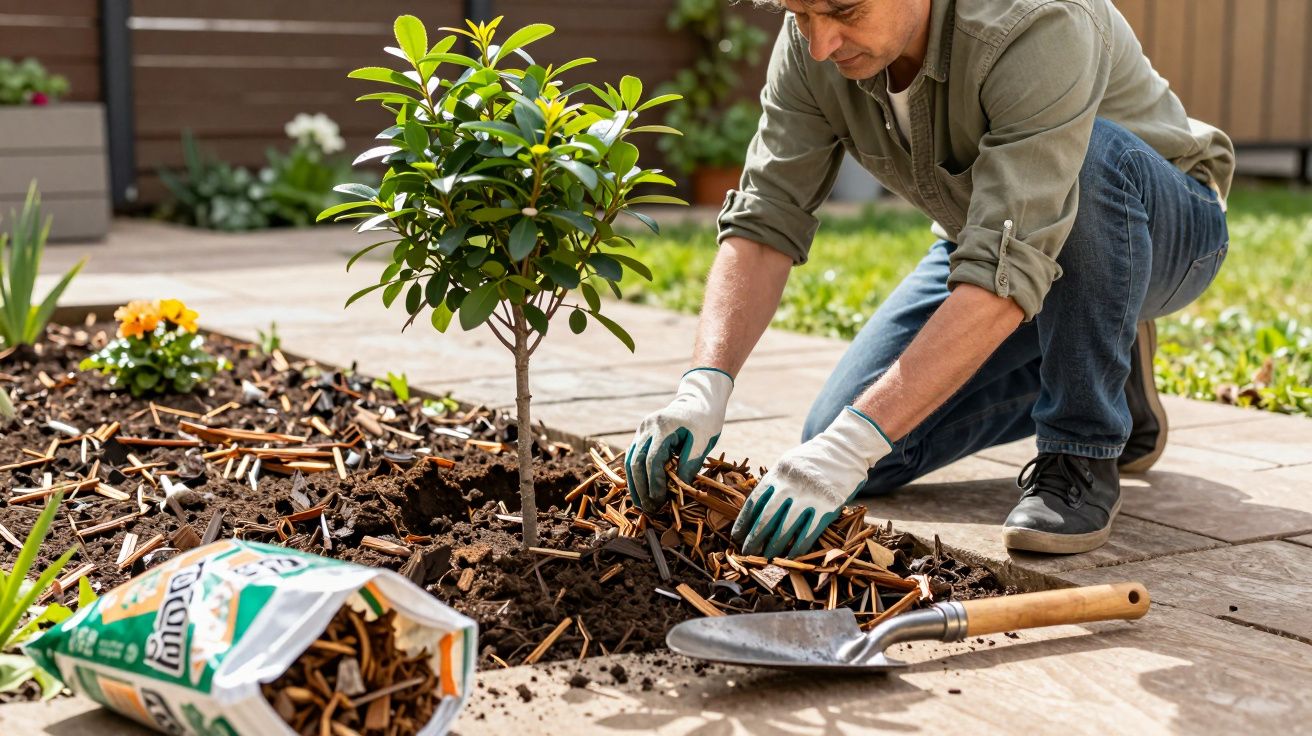
- Should I add lots of compost when planting into mature borders? Usually no. Improve the whole bed gradually with mulch, rather than creating rich pockets that encourage roots to stay shallow and dry out quickly.
- How do I plant under a tree without everything dying? Use smaller plants, keep disturbance minimal, choose dry-shade tolerant species, and water slowly and deeply for the first season rather than frequent surface sprinkling.
- Why do some plants thrive in my neighbour’s garden but fail in mine? Small differences-hedge height, tree roots, paving heat, wind tunnels-create different microclimates, and established gardens amplify those differences.
- When should I call in planting services rather than DIY? If you’re planting near large trees, altering established borders, or investing in a bigger scheme where failures would be expensive, professional diagnosis and sequencing can save a full season (or two) of trial and error.





Comments (0)
No comments yet. Be the first to comment!
Leave a Comment