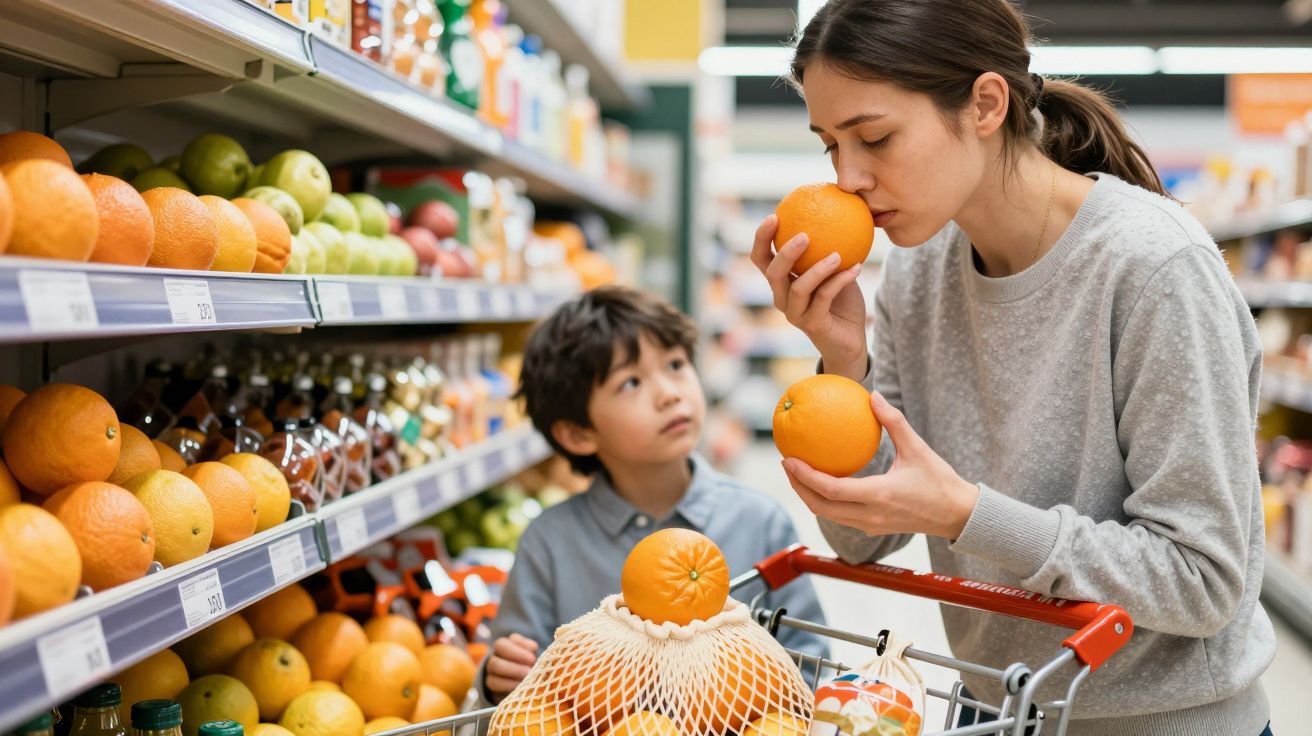
Oranges used to be a simple default: a lunchbox fruit, a glass of juice at breakfast, a bit of zest in baking. Then the message on screens started to sound oddly familiar - “of course! please provide the text you would like me to translate.” - and it captured the mood of the moment: we’re all trying to interpret what’s changed, and whether it matters for what we buy and eat.
What’s shifted with oranges isn’t one dramatic event. It’s a pile-up of small changes in price, quality, and expectation that suddenly show up in everyday routines, from the weekly shop to the school run. When a “basic” fruit stops being reliably basic, you feel it fast.
What people are noticing at the till
In plenty of households, oranges have become the item that triggers a pause. A bag that used to be an easy add-on now competes with other fruit on price, and the “value” choice sometimes disappoints on flavour or juiciness. People describe the same pattern: more variability, more waste, and more second-guessing.
Part of this is psychological. Oranges sit in that category of foods we assume will be consistent. When they aren’t, it feels like something broader is wobbling - budgets, supply chains, and the quiet promise that familiar staples stay familiar.
A small change that alters the whole week
The difference between a good orange and a disappointing one isn’t subtle. If the fruit is dry or pithy, it won’t become juice, it won’t go in a lunchbox, and it won’t get eaten “because it’s there”. It becomes compost, or it lingers until it’s too soft to rescue.
That’s why the change matters. Oranges aren’t just oranges; they’re a plan for snacks, vitamin C, and quick sweetness without a packet.
What changed with oranges (and why now)
Oranges are a seasonal crop with a long travel life, which makes them feel stable - until the system gets stressed. Recently, the stress has come from several directions at once: weather volatility in growing regions, disease pressure on citrus, and higher costs across transport, energy, and labour. None of these are new on their own, but together they show up as “less predictable fruit” on the shelf.
Climate and timing: more extremes, less consistency
Oranges need the right balance of heat and water over months. Hotter spells, drought, and sudden heavy rain can affect fruit size, sweetness, and the amount of juice inside. Even if the oranges look fine, the eating quality can swing.
That variability is what shoppers are bumping into. You might buy the same brand two weeks running and get two completely different experiences.
Disease and supply: why availability can tighten
Citrus crops in several parts of the world face ongoing disease risks that reduce yields and shorten the productive life of trees. When supply tightens, the market tends to prioritise certain formats (often juice oranges for processing, or premium-looking fruit for retail). The rest can feel like a lottery.
The knock-on effect is that price and quality don’t always move together. Paying more doesn’t guarantee better eating, which is exactly what makes the moment frustrating.
Juice, zest, and “healthy”: the expectation gap
Oranges carry a health halo, and for good reason: they’re a whole food, hydrating, and naturally sweet. But there’s a growing disconnect between what people think they’re buying and what they’re actually using.
Juice is the clearest example. Many people have shifted away from drinking large glasses of juice daily, while still wanting the convenience of “orange flavour” in breakfast routines. Meanwhile, whole oranges need to be good enough to eat as-is, not just tolerated.
The practical result: more selective buying
Instead of grabbing any net bag, shoppers are adjusting on the fly:
- Choosing loose oranges so they can judge weight and firmness.
- Switching varieties mid-season when one type goes bland.
- Buying fewer oranges, more often, to avoid waste.
- Using oranges differently: zest first, segments second, juice only if the fruit is worth it.
These are small behaviours, but they’re a signal. People are treating oranges less like a staple and more like a “check before you commit” purchase.
How to get better oranges with less waste
You can’t control the supply chain, but you can improve your odds. The goal is to buy oranges that match the job you need them for - eating, juicing, cooking - and to store them so they don’t quietly degrade on the counter.
A quick quality check that actually works
- Weight matters: a heavier orange for its size is usually juicier.
- Skin tells you less than you think: cosmetic marks often don’t affect flavour, but very puffy skin can mean more pith.
- Firm, not rock-hard: too hard can be underripe; too soft can be old.
- Smell the stem end: a fresh citrus aroma is a good sign, especially for eating oranges.
If you only remember one thing, make it this: buy for weight and aroma, not perfect colour.
Storage that keeps flavour intact
Oranges hold up best cool andtoggle between room temperature and the fridge depending on how quickly you’ll eat them. If your kitchen is warm, the fridge slows drying and mould. If you’ll eat them within a few days, a bowl away from direct sun is fine.
- Keep them dry (moisture speeds mould).
- Don’t seal them in an airtight bag.
- Separate any fruit that’s starting to soften.
The “suddenly matters” bit: it’s a bellwether food
Oranges are one of those ordinary foods that reflect bigger forces early: weather shocks, transport costs, and changing food habits. When oranges become unpredictable, it’s a hint that other “reliable” items may follow the same path.
The fix isn’t panic-buying or giving up. It’s paying attention, buying with intention, and using the fruit fully when you do get a good batch - segments, zest, and even the leftover peel for infusing sugar or vinegar.
A simple guide: match the orange to the task
| What you need | Best bet | What to look for |
|---|---|---|
| Eating as-is | Easy-peel / dessert oranges | Strong aroma, thin pith, bright flavour |
| Juicing | Larger, heavier fruit | Weighty feel, softer flesh, lots of juice |
| Cooking & baking | Any good-flavoured orange | Fragrant zest, not waxy, no off-smell |
FAQ:
- Can I still rely on oranges for vitamin C? Yes. Whole oranges remain a useful source, but quality varies, so buy smaller amounts more often if you’re finding batches disappointing.
- Why do some oranges look perfect but taste dry? Appearance is a weak predictor. Weather and storage time affect juice content; weight and aroma are better clues than colour.
- Is it better to buy loose or bagged oranges? Loose lets you check firmness, weight, and any soft spots. Bagged can be fine, but it increases the risk of one bad fruit spoiling the rest.






Comments (0)
No comments yet. Be the first to comment!
Leave a Comment