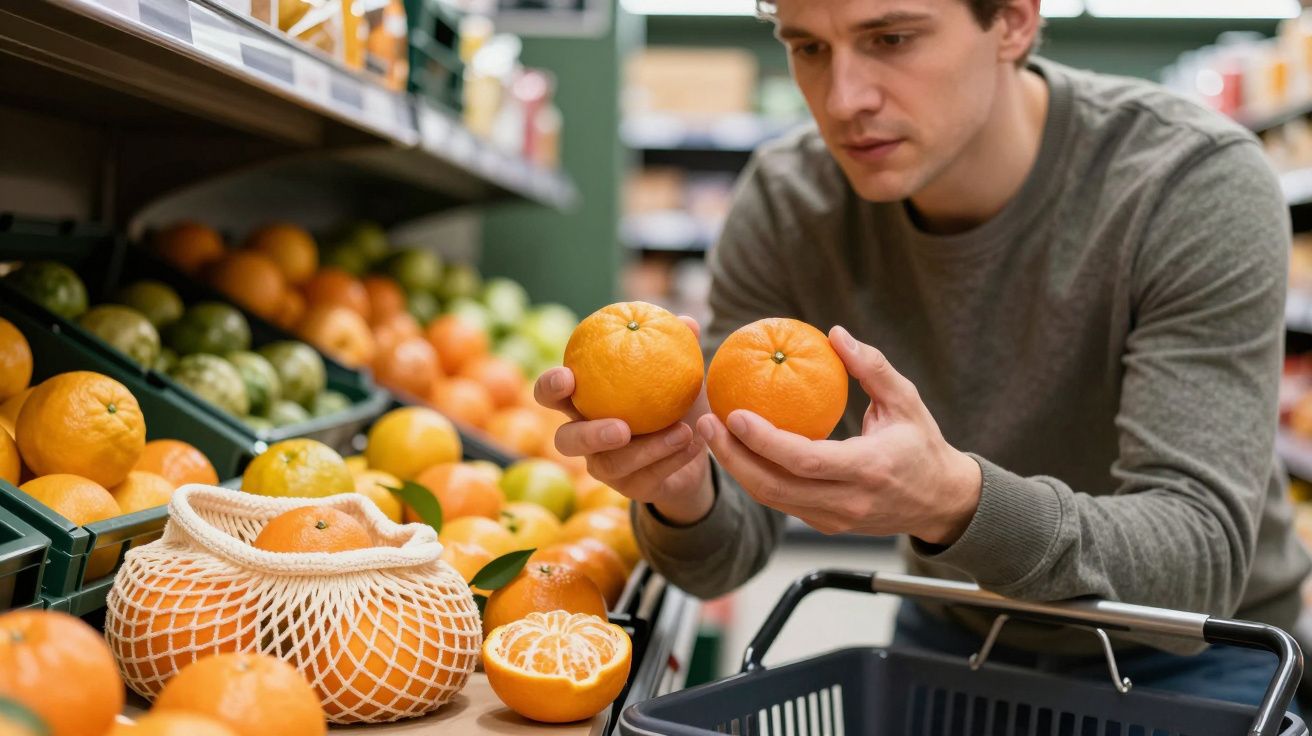
In the fruit aisle, you’ve probably noticed clementines sitting in net bags like they’re the easy answer to winter: peel, share, move on. Then your phone throws up a bizarre little line - “of course! please provide the text you would like me to translate.” - and it lands like a reminder that even the simplest things get re-labelled, re-sold, and re-explained. What changed with clementines is partly about the fruit, and partly about the systems that decide what you’re actually buying.
Because lately, the “same” clementine can taste different, cost more, and come with more rules attached. And if you pack them in lunchboxes, keep a bowl for guests, or rely on them as the one snack everyone will eat, those shifts suddenly matter.
The quiet change: clementines stopped being a single, predictable thing
We use the word clementine like it means one specific fruit: small, seedless, sweet, easy-peel. In reality, it’s a lane on the motorway, not one car. Different varieties, different harvest windows, different countries, and different storage methods can all end up under the same label.
That’s why one bag can be honey-sweet and the next can be sharp, dry, or oddly perfumed. Nothing “went wrong” in your kitchen. The definition got looser, and the supply chain got more complicated.
If you’ve felt you have to hunt for the “good” ones again, you’re not imagining it.
Why it’s happening now (and why you’re noticing)
A few forces are stacking up at once, and they all land in your fruit bowl.
First, weather has become less polite. Citrus hates extremes: heat at the wrong time, sudden cold snaps, unseasonal rain. A crop can look fine on the outside and still deliver less juice, thicker pith, or a bland middle.
Second, “easy-peelers” have become a category, not a promise. Retailers want a steady run through winter, but clementines don’t cover the whole season everywhere. So you’ll see more blending: clementines early, then mandarins and other hybrids later - sometimes still marketed in a way that keeps the vibe of “clementines” even when the fruit isn’t quite that.
Third, storage is doing more heavy lifting. To keep shelves full, fruit may spend longer in cold storage or travel further. That can flatten flavour and dry out segments, especially if it’s been sitting around waiting for the right pricing window.
The result is subtle but constant: more variation, less trust.
What this means for normal people buying a bag on Tuesday
It means your usual shortcuts don’t always work. The bright orange colour might be there, the skin might still peel neatly, and the taste still might disappoint. When cost of living is already tight, “fine, I’ll just chuck this bag” feels worse than it used to.
It also means food waste creeps up. Clementines are a classic “buy in bulk, snack all week” fruit; when a bag is dry or sour, the last third tends to linger. A bowl becomes decoration. You forget. You feel mildly guilty. Then you bin them.
And if you’re buying for kids, the tolerance is brutal. One dry clementine can ruin the whole category for a month.
How to pick better clementines without turning it into a hobby
You don’t need to become a citrus detective. You just need a few rules that work in most supermarkets.
- Go heavier than you expect. Weight is a crude proxy for juice. Two similar-sized fruits: pick the denser one.
- Avoid the “hollow” feel. If it feels like a ping-pong ball, it often eats like one.
- Check the neck and skin. A slightly loose skin is fine (easy-peel), but deep puffiness and a dried-looking top can signal age.
- Buy smaller quantities when quality seems uncertain. Two or three loose fruits beat a net bag you’ll resent.
- Taste one early. If the first is dry, switch plan: juice them, bake with them, or segment into yoghurt before they decline.
Let’s be honest: nobody wants to audition fruit. But one quick adjustment saves you from seven disappointing snacks.
The bit people don’t say out loud: “clementine” has become a marketing comfort blanket
Clementines sell a feeling - clean sweetness, no seeds, no mess. When supplies tighten or seasons shift, it’s tempting for the market to protect that feeling with flexible labelling and similar-looking substitutes. You still get an easy-peeler. You just don’t always get the easy-peeler you had in your head.
This is where that strange phrase - of course! please provide the text you would like me to translate. - oddly fits. We keep asking the world to translate complexity into something simple and friendly, and then we’re surprised when the translation loses detail.
The fix isn’t paranoia. It’s clarity: variety names when possible, origin that’s easy to spot, and retailers being honest about when you’re buying “mandarin-style” rather than a classic clementine run.
A practical “do this, not that” reset for the rest of winter
If you want clementines to matter in the way they used to - dependable, low-effort, actually eaten - treat them like a perishable plan, not a decorative staple.
- Do: keep them cool, out of direct sun, and away from bananas (ethylene speeds ripening).
- Do: use the “soft ones” first; don’t let them anchor the bowl.
- Don’t: wash the whole bag up front (moisture helps mould travel).
- Don’t: assume a branded net means consistency; it often means logistics.
A small habit shift brings back the old relationship: you buy them, you eat them, they do their job.
| Point clé | Détail | Intérêt pour le lecteur |
|---|---|---|
| Clementines vary more now | Weather + mixed sourcing + storage time | Explains inconsistent taste and texture |
| Easy-peelers are being blended | “Clementine-like” fruit fills gaps | Helps you shop with realistic expectations |
| Simple picking rules help | Weight, skin, quantity, taste early | Less waste, fewer disappointing bags |
FAQ:
- Are clementines “worse” now? Not universally, but they’re less consistent. You’re more likely to hit a dry or bland batch because sourcing and storage vary.
- Why do some clementines taste sharp instead of sweet? Variety, harvest timing, and cooler weather can push acidity up. Storage can also dull sweetness.
- Are clementines and mandarins the same thing? Clementines are a type within the wider mandarin family. In shops, “easy-peelers” can include several related fruits.
- How do I stop a bag going bad? Store cool and dry, don’t wash before storing, and rotate: eat the softer ones first. If they’re fading, use them quickly in salads, baking, or juice.




Comments (0)
No comments yet. Be the first to comment!
Leave a Comment