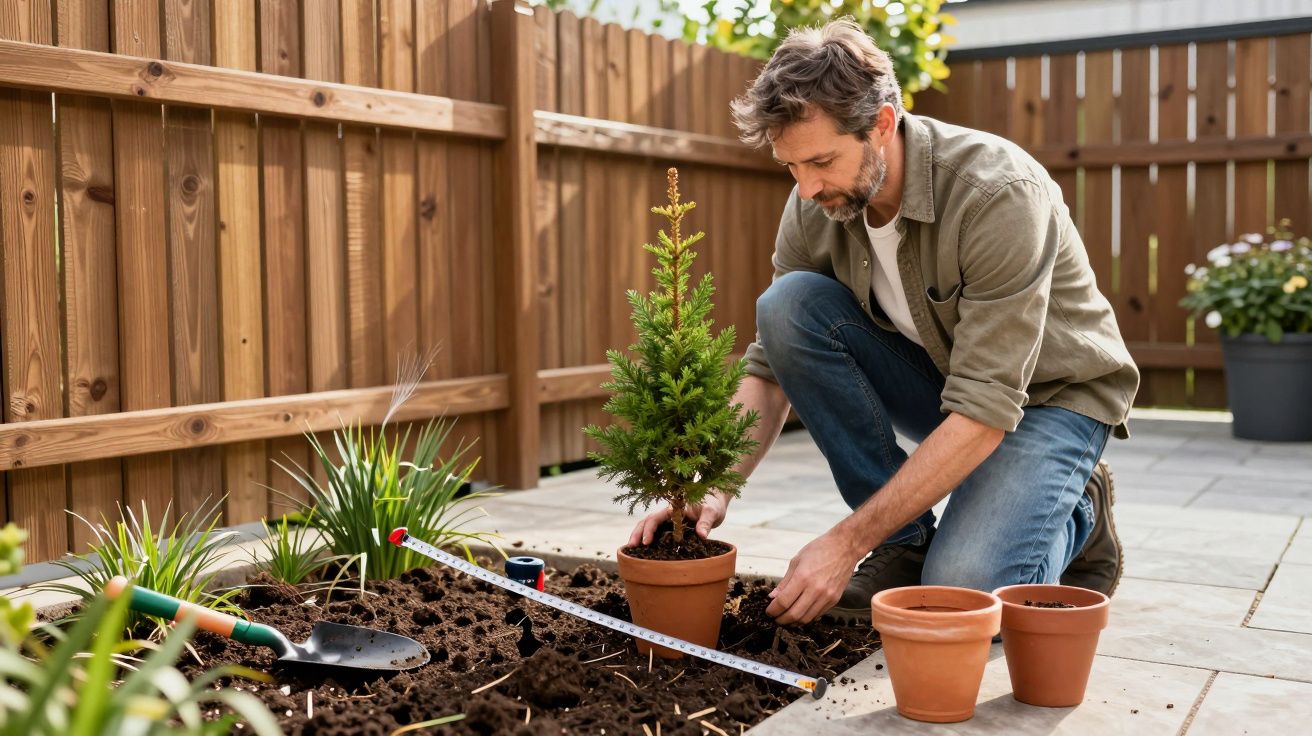
You can read a plant label, match the colour to your border, and still get surprised when shrubs meet a real garden environment. The gap between “ideal conditions” and your actual soil, wind, light and maintenance style is where most disappointments start. Getting that right matters, because shrubs are long-term decisions: they set the structure, swallow space, and are awkward to move once they’ve settled in.
A familiar story: you want a neat screen, you choose a “fast-growing evergreen”, and by year three it’s either sulking and thin or racing past the windows. On paper, the choice looks perfect. Outside, it behaves like it’s got its own agenda.
Why shrubs behave brilliantly in catalogues - and oddly in your border
Plant descriptions are usually written for performance in a narrow band of conditions. “Full sun”, “moist but well-drained”, “sheltered”, “neutral soil” can sound like minor details, but they’re the whole plot.
A shrub that thrives in a mild, sheltered plot can struggle in a windy, exposed one. Another that looks tidy in a nursery pot can balloon once its roots hit open ground. And many “low maintenance” options are only low maintenance if you prune them at exactly the right time.
The label tells you what a shrub can do. Your garden decides what it will do.
The common mismatch: what you think you’re buying vs what you’re actually planting
Most shrub regrets fall into a handful of predictable categories. The trick is spotting them before you dig.
1) “Fast growing” often means “fast to outgrow the space”
Fast growth is seductive when you want privacy, but it usually comes with one of two prices: frequent pruning, or an eventual size you didn’t plan for.
Typical outcomes include:
- A hedge that needs cutting two or three times a season to stay crisp.
- Plants that become leggy at the base because they’re constantly sheared.
- Roots that compete hard with nearby perennials and lawns.
If you want a calm life, choose “moderate growth” and accept the first year will look sparse. Your future self will thank you.
2) “Hardy” isn’t the same as “happy”
Hardy means it can survive cold. It doesn’t guarantee it will look good, flower well, or resist disease in your conditions.
A shrub might be hardy to -15 °C and still hate:
- Winter wet on heavy clay
- A baking south-facing wall with dry soil
- Salt-laden coastal winds
- Late frosts that hit early buds
Survival is a low bar. You’re aiming for a plant that thrives.
3) Evergreen doesn’t mean year-round privacy
Many evergreen shrubs thin out if they’re shaded from one side, clipped too hard, or planted too close together. Some hold leaves all year but still show bare stems at the bottom if light can’t reach the interior.
A quick reality check helps: if you want a screen, look at the plant’s branching habit, not just its leaf habit. Dense from the base is the feature you’re buying.
What actually changes outdoors: the garden environment factors that rewrite the plan
Out in the border, shrubs respond to forces nurseries can’t replicate. A few of these are quietly decisive.
Light: “Full sun” and “your sun” are not the same
A spot can feel bright and still be effectively part-shade if it loses sun by early afternoon. Many flowering shrubs need several hours of direct sun to set buds properly; in lower light they grow, but they don’t perform.
Also note reflected heat. A shrub beside pale paving or a brick wall can behave like it’s in a hotter climate - thriving if it likes warmth, crisping if it doesn’t.
Soil: drainage beats fertility more often than you think
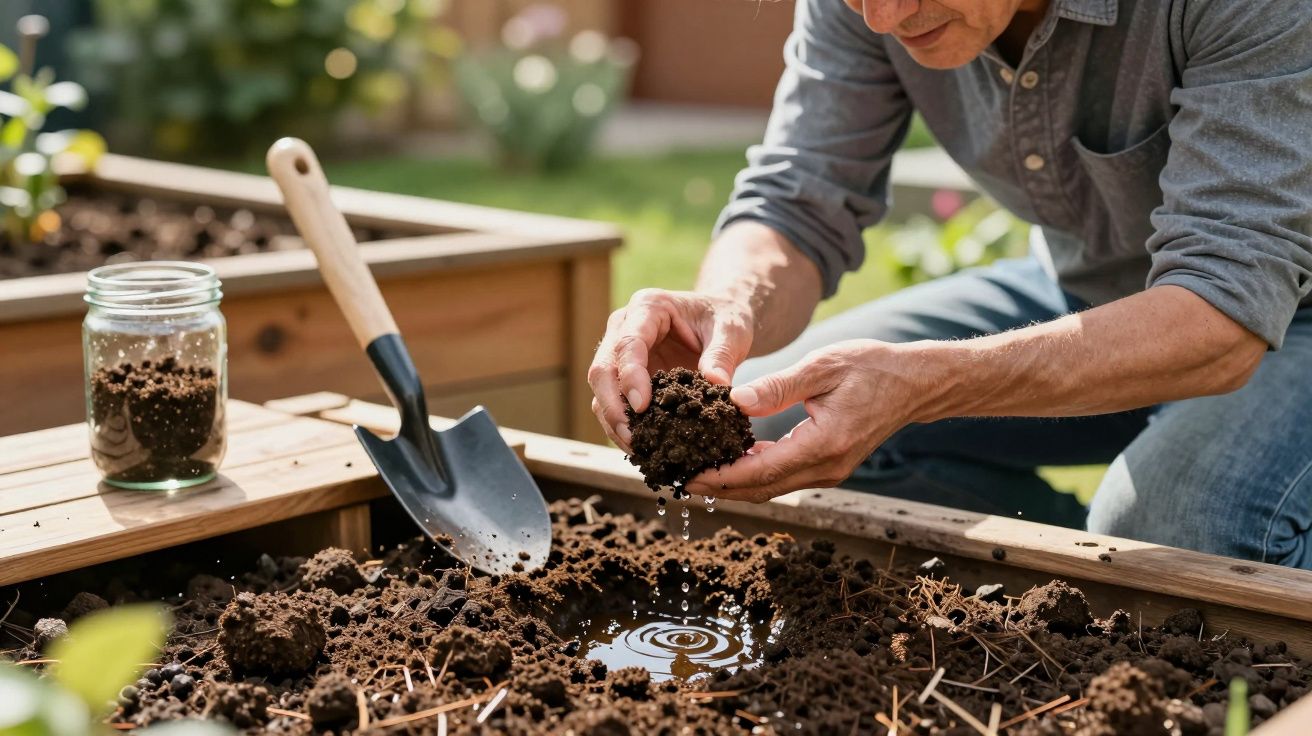
People worry about feed, but shrubs are far more sensitive to oxygen around their roots. Heavy soil that stays wet in winter is a common killer, particularly for Mediterranean-style evergreens.
A simple test: if you can squeeze a wet handful into a firm ball that stays put, treat the site as “likely to hold water” and choose accordingly.
Wind: the invisible pruner
Wind strips moisture from leaves, snaps soft growth, and makes plants lean. It also encourages salty burn near coasts and increases winter scorch on evergreens.
If the site is exposed, choose shrubs that are naturally wind-tolerant rather than trying to “force” a delicate plant with extra watering.
A practical way to choose shrubs that won’t surprise you
You don’t need a spreadsheet, just a short, honest checklist before you buy.
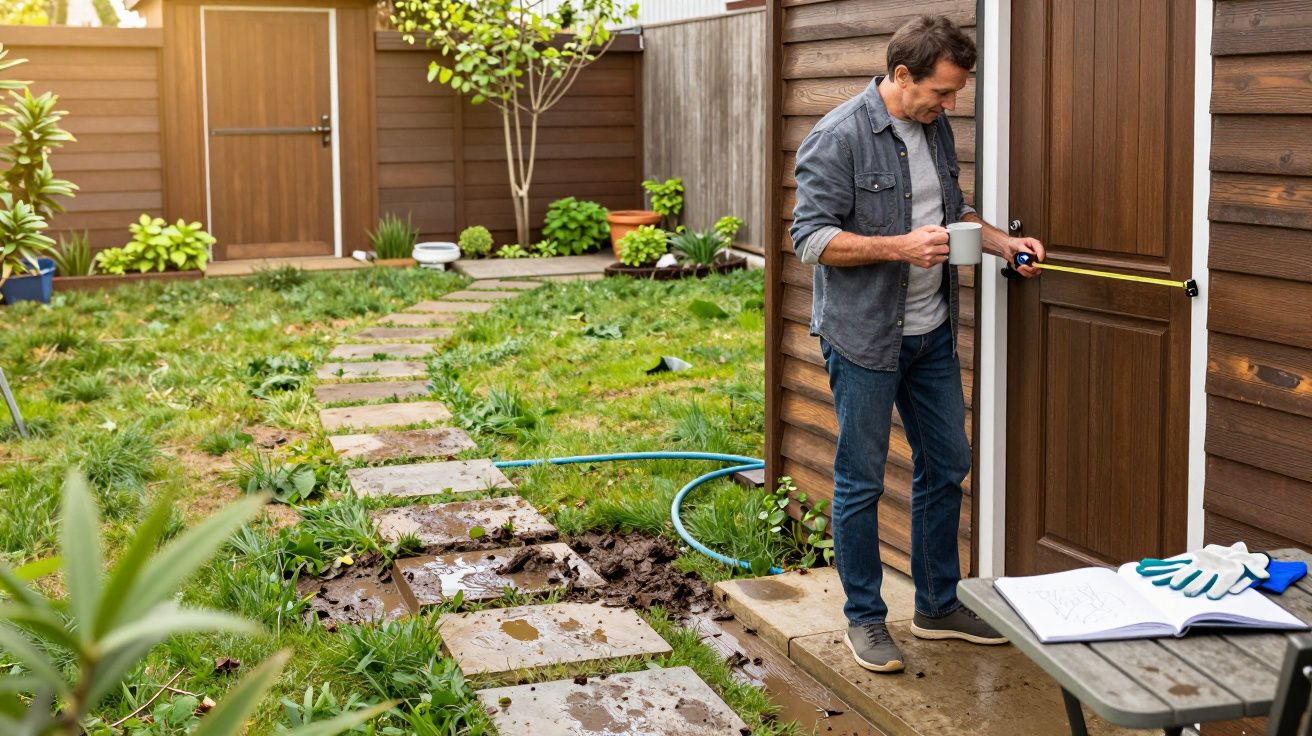
- Measure the space at maturity. Don’t use the pot size; use the final width and height.
- Name your non-negotiable. Privacy, pollinators, winter interest, low pruning - pick one main job.
- Match the plant to the worst season. In the UK that’s often winter wet and wind, not summer heat.
- Plan the maintenance you’ll actually do. If you dislike pruning, avoid shrubs that demand it to look good.
- Buy for habit, then for looks. A well-shaped “boring” shrub beats a diva that only performs in perfect conditions.
Two smarter swaps people rarely regret
- Swap “fast privacy” for “steady structure”. Instead of chasing speed, choose a moderate grower and underplant with quick annuals or grasses for the first two years.
- Swap “one big hedge” for a mixed screen. A blend of shrubs spreads risk: if one dislikes your soil or a disease hits, the whole boundary doesn’t collapse at once.
If you’ve already planted the wrong shrub, don’t panic
Sometimes the plant is fine - it’s the setup that’s off. Before you rip it out, try the simple fixes that change behaviour fast.
- Improve moisture management: add a mulch layer, adjust watering, and avoid waterlogging around the base.
- Correct the light issue: thin nearby plants, or accept a shade-tolerant replacement is the long-term answer.
- Prune at the correct time: many flowering shrubs lose next year’s blooms if clipped at the wrong season.
- Give it breathing room: overcrowding is the quickest route to mildew, thin growth, and bare stems.
If a shrub still fails after a full season of “right care”, take that as data. It’s not a personal failing; it’s a site-plant mismatch.
The calm takeaway: buy for your garden, not the label
The most satisfying shrub borders aren’t built from the trendiest picks. They’re built from choices that suit the garden environment you actually have: your wind, your soil, your light, your willingness to prune.
A shrub that behaves well outside isn’t magical. It’s matched. And once you start choosing like that, the garden stops feeling like a series of surprises and starts acting like a plan.




Comments (0)
No comments yet. Be the first to comment!
Leave a Comment