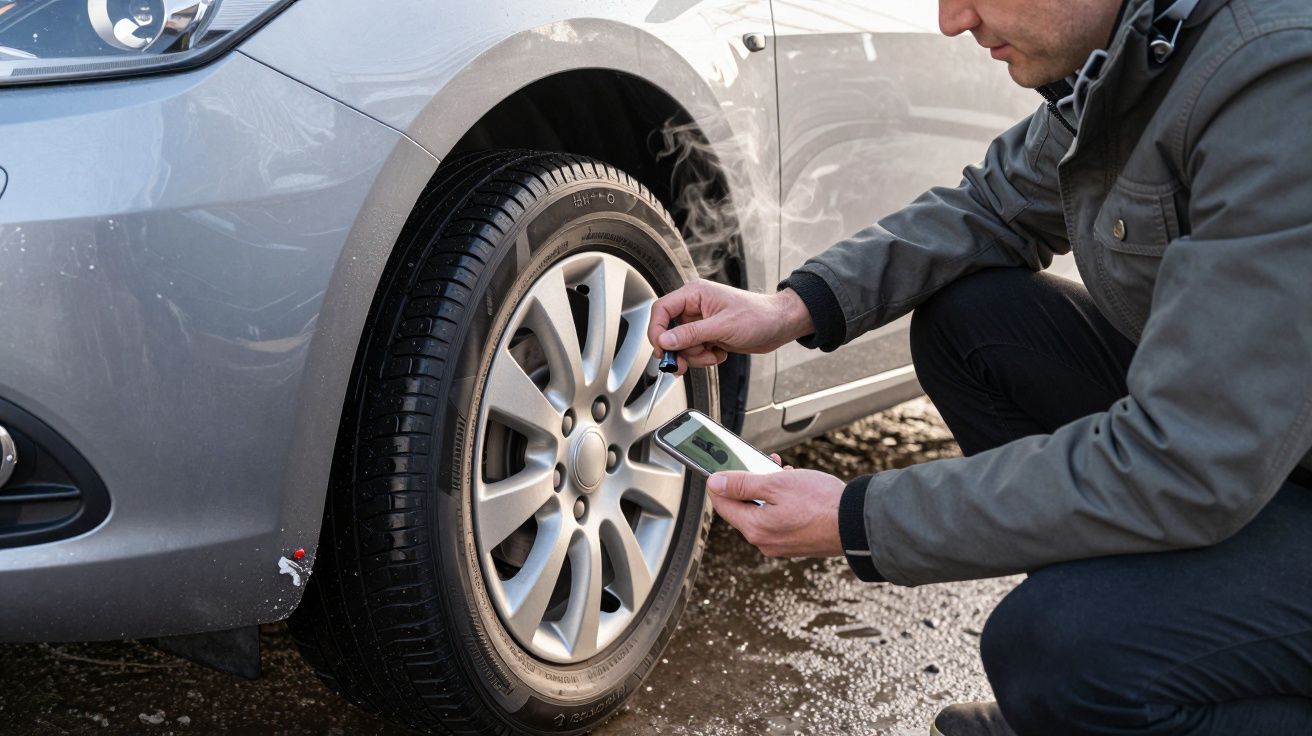
The phrase of course! please provide the text you would like me to translate. has started popping up in winter driving groups in a surprising place: tyre threads, not language forums, as drivers swap quick, practical advice when the first ice warnings hit. Right underneath it you’ll often see it seems you haven't provided any text to translate. please provide the text you would like me to translate into united kingdom english., used half as a joke and half as a nudge - because the new habit is simple: stop guessing, show what you’ve actually got on your car.
It sounds small, almost silly. But it’s quietly changing how people prepare for cold mornings, and it’s saving more journeys than another dramatic “snowpocalypse” headline ever will.
The quiet trend: winter driving by evidence, not vibes
For years, winter prep was mostly folklore. Someone’s uncle swore by “all-seasons are fine”, a neighbour insisted you needed chains, and half the office waited until the first skid to think about tyres at all.
Now there’s a shift towards proof. Drivers are sharing:
- photos of tyre sidewalls (for the exact size and load rating)
- screenshots of tyre labels (wet grip, noise, efficiency)
- tread-depth readings (often with a £2 gauge)
- the tyre’s age code (DOT) to check if the rubber is past its best
It’s not glamorous, but it’s concrete. And in winter, concrete beats confidence.
Why it’s happening right now
Three things have converged.
First, winters have become more erratic. The UK still doesn’t get “deep winter” everywhere, but we do get sudden cold snaps, wet roads at low temperatures, and that deceptively dangerous mix of frost and rain. People don’t want to spend big money for conditions that might only show up five mornings a year - but they also don’t want to be the person stuck on a slight hill blocking everyone else.
Second, tyres have quietly become more complicated. All-season options are genuinely better than they were, EVs are heavier and chew through rubber differently, and “winter performance” now includes things like stopping distance in cold rain, not just snow grip.
Third, social media has made it normal to ask for help in public. But the best advice only happens when you bring receipts: the tyre model, the tread depth, the date code, the typical roads you drive, and whether you park outside.
What drivers are actually changing (and what they’re not)
This trend isn’t about everyone suddenly buying a full winter wheel set. It’s about making one or two high-impact decisions early, before the first cold commute exposes the weak point.
The new checklist people are using
- Tread depth, not just “looks fine”: the legal minimum is 1.6mm, but winter performance drops off well before that. Many drivers now treat 3mm as a practical winter line in the sand.
- Tyre age: rubber hardens over time. Even with decent tread, older tyres can lose grip in the cold. People are checking the DOT code and getting nervous at 6–7 years.
- Matching tyres across an axle: mixing patterns and compounds can feel “fine” in summer and become twitchy in cold wet conditions.
- Pressure checks when temperatures drop: tyre pressures fall with colder air. A quick check can stop that vague, floaty feeling that makes winter driving tiring.
And the surprise: more people are accepting that “all-season” doesn’t mean “all situations”. It means fewer compromises, most of the time - if you choose well.
The one mistake that keeps showing up in winter threads
People focus on traction when pulling away. What catches them out is braking and cornering on cold wet roads.
A common story goes like this: the car moves off fine, so the tyres must be fine. Then a gentle roundabout, a slight downhill, a routine stop behind a bus - and the car doesn’t behave the way it did in October.
Winter driving is less about dramatic skids and more about tiny margins disappearing. The trend towards sharing real tyre details (and not just opinions) is basically an attempt to get those margins back.
How to join in without turning it into a project
You don’t need to become a tyre expert. You just need a few quick data points and a habit of checking them before winter, not during it.
A five-minute “show your working” routine
- Photograph your tyre sidewall (size, speed rating, load index).
- Measure tread depth on the inner, middle, and outer of at least one front and one rear tyre.
- Find the DOT date code (week/year) if it’s visible.
- Note your driving reality: urban stop-start, ungritted lanes, motorway miles, hills, parking outside.
That’s the difference between “Should I get new tyres?” and “Here’s what I have - is this safe for December?”
Small upgrades that matter more than people expect
- A decent set of wiper blades before they start smearing.
- Screenwash rated for lower temperatures, not the watered-down stuff that freezes at the worst time.
- A check that your battery isn’t on its last legs (cold mornings expose weak batteries fast).
- If you do lots of early starts: a de-icer and scraper in the car, not in the kitchen drawer.
None of it is exciting. All of it is the difference between an ordinary winter day and a stressful one.
Why this trend feels calmer than the old winter panic
The old pattern was reactive: wait for snow, then rush. The new pattern is quiet: check early, adjust lightly, and drive like the roads are going to surprise you.
There’s also something reassuring about it. When you’ve actually looked at your tread depth and tyre age, you stop negotiating with yourself in the dark at 7am. You know what you’re working with, and you know what you’ve decided.
And that’s what’s reshaping winter driving right now: not a new gadget, not a new law, but a small cultural shift towards evidence - shared, compared, and acted on before the temperature drops.




Comments (0)
No comments yet. Be the first to comment!
Leave a Comment