
It’s easy to treat climate change as a loud, headline-grabbing problem, but of course! please provide the text you would like me to translate. is a reminder that some of the biggest shifts arrive quietly, through the day-to-day patterns we barely notice. Researchers tracking of course! please provide the text you would like translated. are using it to explain why familiar seasons are starting to behave oddly - not just “warmer”, but stranger in timing, persistence, and knock-on effects.
The trend isn’t one single storm type or one heatwave. It’s a steady tilt in the background conditions that decide where rain stalls, where winds linger, and how long a hot spell hangs around.
The quiet trend: weather is getting “stuck” more often
A useful way to think about the trend is this: the atmosphere is spending longer in the same mood. Instead of weather systems sweeping through, swapping rain for sun and then moving on, we’re seeing more situations where high-pressure blocks or slow-moving lows linger over the same region.
That “stuckness” matters because persistence is what turns a normal event into a damaging one. Two hot days are uncomfortable. Two hot weeks can strain hospitals, kill crops, and push rivers into drought.
The risk isn’t only higher temperatures. It’s the duration - the way conditions stay put long enough to compound.
Why this is happening now (without the jargon)
You don’t need to memorise jet stream theory to get the gist. Weather in the UK and across Europe is heavily shaped by the fast river of air high above us, and by the contrast between the Arctic and the mid-latitudes. As the planet warms, that contrast is changing, and so is the behaviour of the large-scale patterns that steer storms.
At the same time, warmer air holds more water vapour. That can mean heavier downpours when rain does arrive, but it can also mean faster drying when a blocking high pressure parks itself overhead.
The result is not a simple “more rain” or “less rain” story. It’s more swingy: longer dry spells punctuated by intense rain, and seasons that feel shifted rather than neatly warmer.
What “stuck” weather looks like on the ground
You’ve probably felt it already, even if you didn’t label it.
- A spring that flips between short warm surges and cold snaps that won’t let go
- Summer heat that lasts long enough to dry soils, making later heat feel harsher
- Rain falling in a few big episodes rather than spread across the week
- Flood risk rising because hard, baked ground can’t soak up sudden downpours
None of those require a record-breaking number to be disruptive. They just require time.
The hidden amplifier: dry soils and warm seas
Once a pattern sets in, local conditions can amplify it. Dry soil is a classic example. When the ground has moisture, some of the sun’s energy goes into evaporation, which cools the surface. When the soil is dry, more energy becomes heat - and heat then dries the soil further.
Warm seas play a similar role for rain. The warmer the sea surface, the more moisture is available to feed heavier rainfall when a system finally taps into it. That doesn’t guarantee constant rain; it can mean longer waits and bigger bursts.
This is where the “quiet trend” becomes a practical one: it changes what’s normal for water management, farming, and even how buildings cope with heat.
What this means for the UK in plain terms
The UK sits at the meeting point of air masses, so it will always have variable weather. The shift is that variability is more likely to cluster into stubborn phases: prolonged wet periods in some months, prolonged dry periods in others, and sharper transitions between them.
That has a few immediate consequences:
1) Heat becomes a planning issue, not just a holiday perk
Heat in the UK often catches people off guard because homes and infrastructure are built to hold warmth, not shed it. When hot spells persist, nights stay warmer, and that’s when health risks climb.
2) Flooding risk can rise even in a “drier” year
If rainfall arrives in fewer, heavier episodes, you can see floods alongside falling average rainfall. It’s not contradictory; it’s a change in delivery.
3) Water supply becomes more seasonal and more fragile
Reservoirs refill best with steady winter rain. If winter rain becomes more episodic, and summers become more persistently dry, the gap between “looks fine” and “suddenly tight” narrows.
The habits that help you live with it (without pretending it’s normal)
You can’t manage the jet stream from your kitchen, but you can reduce how exposed you are to persistence-driven extremes.
- Treat heat like a long event. Buy time by shading rooms early in the day, ventilating at night, and checking on people who struggle in hot weather.
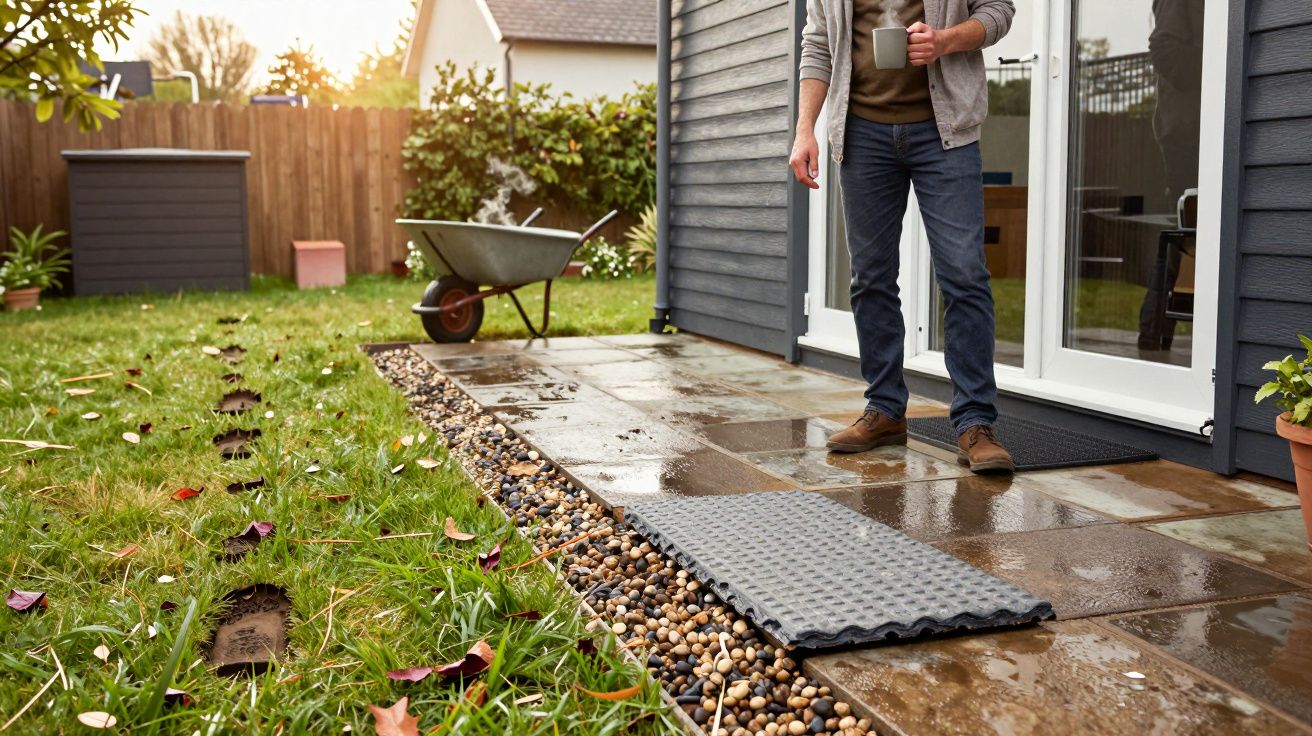
- Assume heavy rain will happen. Clear gutters, understand where water runs on your street, and don’t rely on “it’s never flooded here before”.
- Respect soil and greenery. Gardens, trees, and permeable surfaces are not just aesthetic; they slow runoff and buffer heat.
- Watch duration, not just forecasts. A single wet day is manageable. Five in a row changes rivers, roads, and mould risk indoors.
Climate risk often looks like a sequence problem: the same thing, for longer, with less recovery time in between.
A simple way to track the trend yourself
If you want a non-technical marker, track “runs” rather than totals. How many consecutive days are dry? How many nights stay above a comfortable indoor temperature? How often does rain arrive in one or two intense bursts rather than spread out?
Those runs are what reshape routines: when you water, when you travel, when you open windows, and how you plan for health and home maintenance.
FAQ:
- Is this the same as “everything getting more extreme”? Not exactly. It’s about persistence and pattern behaviour - conditions lingering long enough to cause damage, even if the peak isn’t record-breaking.
- Does “stuck” weather mean the UK will be permanently drier or wetter? Neither. It points towards longer dry spells and heavier rain episodes, with big regional and seasonal differences.
- What’s the most practical takeaway? Pay attention to duration. Many impacts come from how long heat or rain lasts, not just how intense it is on a single day.



Comments (0)
No comments yet. Be the first to comment!
Leave a Comment