
You notice it in late March, when the light is suddenly sharp and the lawn looks thin in places: your private garden isn’t failing, it’s changing. Planting services are becoming less about “making it pretty” and more about making it cope-through heat, wet winters, new pests, and the simple fact that water and time cost more than they used to. If you plan now, you won’t be firefighting in July with a hose and regret.
A designer friend once described modern planting as “insurance you can walk through”. Not in a joyless way, but in a quietly strategic one: fewer divas, more systems. The coming years will reward gardens that are layered, resilient, and managed in simple rhythms rather than heroic weekends.
The new brief: plants that cope, not plants that perform
For years, a lot of UK planting was built around one big moment: June roses, July borders, an August glow. It looked glorious-until a dry spring, a wet summer, or a winter that stayed warm enough for fungus to have a party. Now the brief is shifting: steadier interest, longer seasons, and planting that doesn’t collapse when you miss a week.
That doesn’t mean turning your garden into a gravel car park. It means choosing plants for stamina, designing for shade and moisture where it naturally sits, and treating the soil like the engine. The most future-proof gardens I see aren’t the most exotic. They’re the ones where the basics are quietly right.
The “three layers” approach that keeps a garden stable
A private garden becomes robust when it isn’t relying on one tier of planting. Think in layers the way woodland does: structure, support, and surface.
- Structural layer (the bones): small trees, large shrubs, evergreen forms, and anything that holds the garden together in February.
- Support layer (the bulk): mid-height perennials and grasses that provide repeat texture and long flowering without constant feeding.
- Surface layer (the stitch): groundcovers and low plants that shade soil, slow weeds, and stop beds looking empty between peaks.
When planting services are done well, you can feel this structure even if you don’t know the words. You walk out after a storm and the garden still looks composed, because it wasn’t balanced on a single tall border that flops the moment it’s wet.
A quick way to audit your beds
Stand at one spot and squint. If all the “mass” sits at knee height, you’re missing structure. If everything is tall and airy, you’re missing the stitch that makes it look intentional. Aim for a mix that looks good in outline first, detail second.
Stop chasing drought-proof; start building water intelligence
The UK isn’t simply getting “drier”. It’s getting more erratic: dry spells, then downpours that run straight off hard ground. So the smart play isn’t just drought-tolerant plants-it’s a garden that holds water when it has it and shades soil when it’s hot.
Three practical upgrades outperform most plant swaps:
- Mulch like you mean it. A 5–7cm layer of composted bark or green waste compost cuts evaporation and buffers soil temperatures.
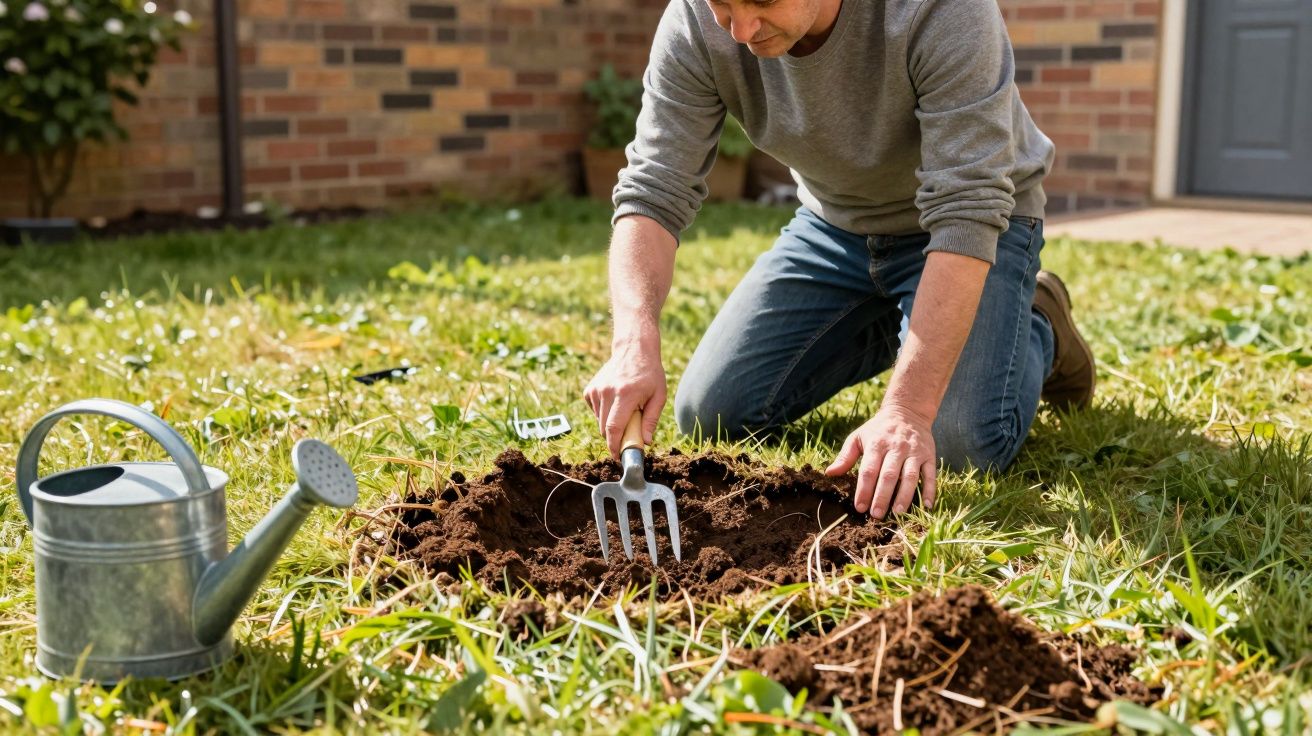
- Open the soil, don’t compact it. Forking lightly, adding organic matter, and avoiding standing on beds does more than another “tough” plant ever will.
- Plant to fit the microclimate. The south-facing strip by a fence is not the same as the damp corner by the downpipe. Treat them as different gardens.
If you only do one thing this year, do the mulch. It’s the closest thing to a cheat code.
Perennials are changing: fewer needy stars, more long-season workers
There’s a quiet shift towards plants that flower for ages, tolerate a missed watering, and don’t demand staking every other day. The future border looks less like a show bench and more like a well-run kitchen: dependable, repeatable, and still beautiful.
Look for: - Long-season bloomers (flowering over months, not weeks) - Self-supporting shapes (upright without rings and canes) - Plants that age gracefully (they don’t turn to mush after rain)
And be honest about what you’ll maintain. A border designed around weekly deadheading is not a “low-maintenance” border-it's a hobby. A lot of people don’t want another hobby. They want a garden that forgives them.
The return of shrubs (and why that’s good news)
Shrubs have been treated as old-fashioned for a while, as if perennials alone can do the job. They can’t-at least not reliably. Shrubs give you stability, shelter for wildlife, and the kind of winter presence that stops the garden feeling like a blank sheet half the year.
In smaller spaces, the trick is choosing shrubs with: - a clear shape (so they don’t become lumps), - a job (screening, scent, winter foliage, pollinator value), - and a manageable mature size.
A good shrub is a long contract: it pays out every year, but only if you read the small print on size and pruning.
Planting plans are getting simpler-and more repeated
One of the most useful “coming years” strategies is repetition. Not a hundred different things, but fewer plants used more often, which makes maintenance easier and the garden calmer to look at.
A practical pattern that works in many private gardens: - pick 3–5 main perennials that thrive in your conditions, - repeat them in drifts, - weave in 2–3 grasses for movement and winter structure, - and use groundcover as the unifying layer.
It’s not boring. It’s how you make a garden look designed rather than collected.
Think in failure, not fantasy: what happens when something dies?
This is where professional planting services quietly earn their keep. They plan for gaps, for replacements, for the reality that a few plants won’t make it through the first year. A resilient garden has redundancy: if one plant sulks, something else expands and covers.
Build in: - overlapping seasons (so there’s always something doing a job), - multiple plants per “role” (not one star for all colour), - access for maintenance (space to cut back without trampling everything).
If you can’t reach it, you won’t maintain it. And if you won’t maintain it, don’t plant it.
A sensible timeline for the year ahead
There’s a calm rhythm to good garden work, and it’s the opposite of panic-buying plants on a hot Saturday.
- Late winter to early spring: assess structure, prune, improve soil, plan changes.
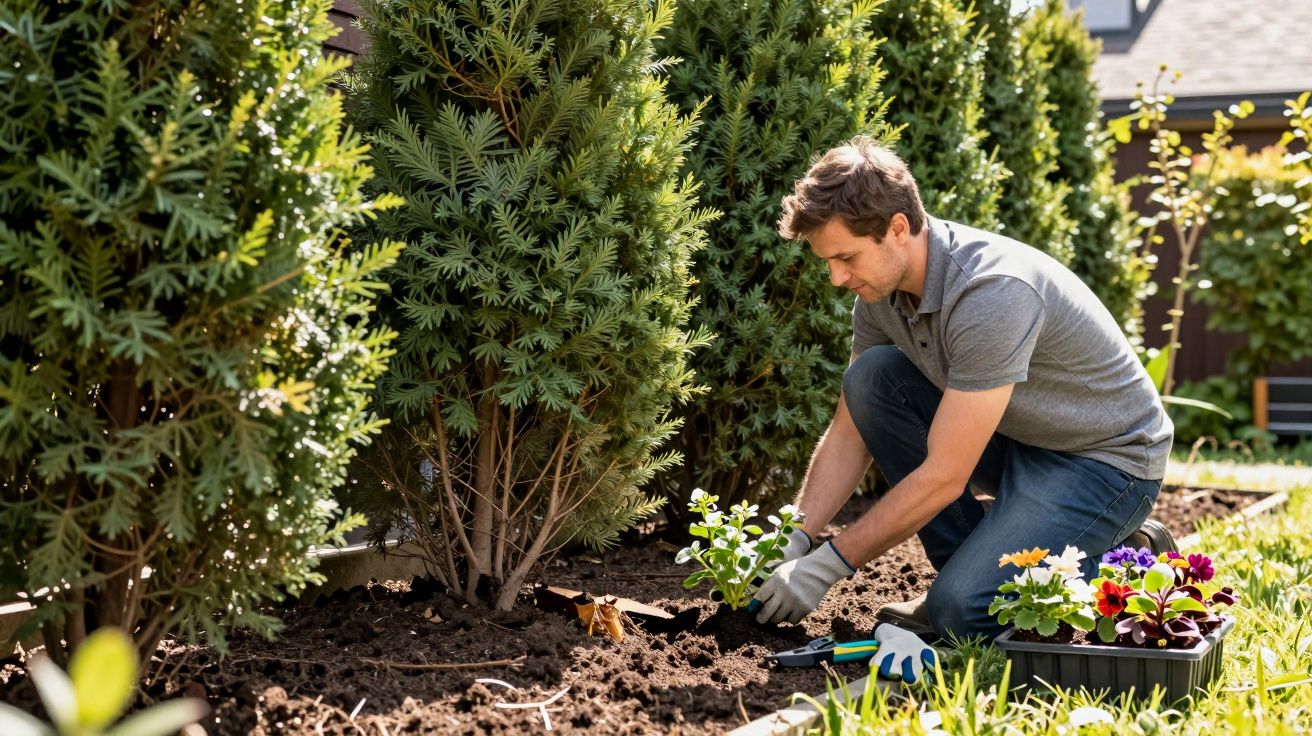
- Spring: plant shrubs and hardy perennials; mulch; set up water-saving habits early.
- Summer: observe stress points (scorch, pooling, wind); adjust rather than overhaul.
- Autumn: the best major planting window-warm soil, less watering, stronger establishment.
A private garden that’s planted well in autumn often looks “effortlessly better” the following summer. It isn’t effortless. It’s just timed correctly.
| Strategy | What it looks like | Why it works |
|---|---|---|
| Layered planting | trees/shrubs + perennials + groundcover | Stability in all seasons, fewer bare patches |
| Water intelligence | mulch, improved soil, microclimate planting | Less watering, better survival in extremes |
| Repetition | fewer species, used in drifts | Easier maintenance, more cohesive design |
FAQ:
- Will I need to replace lots of plants if summers keep getting hotter? Not if you focus on soil, mulch, and microclimates first. Plant choice matters, but the garden’s “water handling” matters more.
- Are planting services worth it for a small private garden? Often, yes-especially for getting the structure right and avoiding expensive mistakes with shrubs and trees. A good plan can reduce ongoing maintenance.
- When is the best time to replant a border in the UK? Autumn is usually ideal: soil is warm, rainfall helps establishment, and plants settle in before summer stress.
- How do I make the garden look good in winter without loads of evergreens? Use a mix: a few evergreens for backbone, grasses left standing, shrubs with good stems, and groundcover that stays tidy.
- What’s the simplest upgrade with the biggest impact? Mulching properly, once a year. It improves moisture retention, suppresses weeds, and feeds the soil as it breaks down.




Comments (0)
No comments yet. Be the first to comment!
Leave a Comment