
Planting services are changing shape as the private garden becomes less of a showpiece and more of a small, living system you actually use. The layouts that will win in the coming years aren’t fussier; they’re smarter-built for heat, heavy rain, busy weeks, and the quiet desire for a space that still looks good when you’ve done nothing to it.
I noticed the shift in a back garden where the old plan was “borders around the edge, lawn in the middle, a tree somewhere”. The new plan started with one question: where do you stand, sit, walk, and look-every day, not on the day you tidy up. That’s the future layout in one line: design from behaviour, then plant for reality.
This decade’s layout energy: less decoration, more choreography
Designers are moving away from “plant lists” and towards plant positions-layers that do jobs. You’ll see fewer isolated specimens and more repeated blocks, stitched together like a pattern that can tolerate gaps, growth, and the odd failure without collapsing.
The coming layouts also treat climate like a co-designer. Hotter summers and erratic rain push gardens towards drought-tolerant structure near hard surfaces, and moisture-holding planting where water naturally lingers. It’s not doom; it’s simply aligning the plan with what the site is already doing.
Think of it as a garden that keeps its promises even when life is loud.
The new backbone: rooms, routes, and “pause points”
A private garden that feels calm usually has a legible route. The future trend is clearer zoning-small “rooms” you move through-because it reduces maintenance and makes planting decisions easier.
A typical modern layout is built from three anchors:
- Routes you can walk without brushing everything (stepping pads, gravel ribbons, mown paths through meadow mixes).
- Pause points (a bench, a bistro set, a single chair with a view).
- Edges that carry structure all year (evergreen domes, grasses, clipped hedging, or shrubby perennials that hold shape).
When routes are defined, plants can be bolder. You can let things billow, self-seed, and soften without the garden feeling like it’s “gone”.
Planting layouts you’ll see more of (and why they work)
The most useful layouts are the ones that tolerate imperfect care. They assume you’ll miss a week, or three, and still want it to look intentional.
1) Matrix planting: a woven carpet, not a row of soldiers
Matrix planting uses a base layer of tough, repeatable plants (often grasses or groundcover) with pockets of seasonal stars threaded through. It reads natural, but it’s engineered.
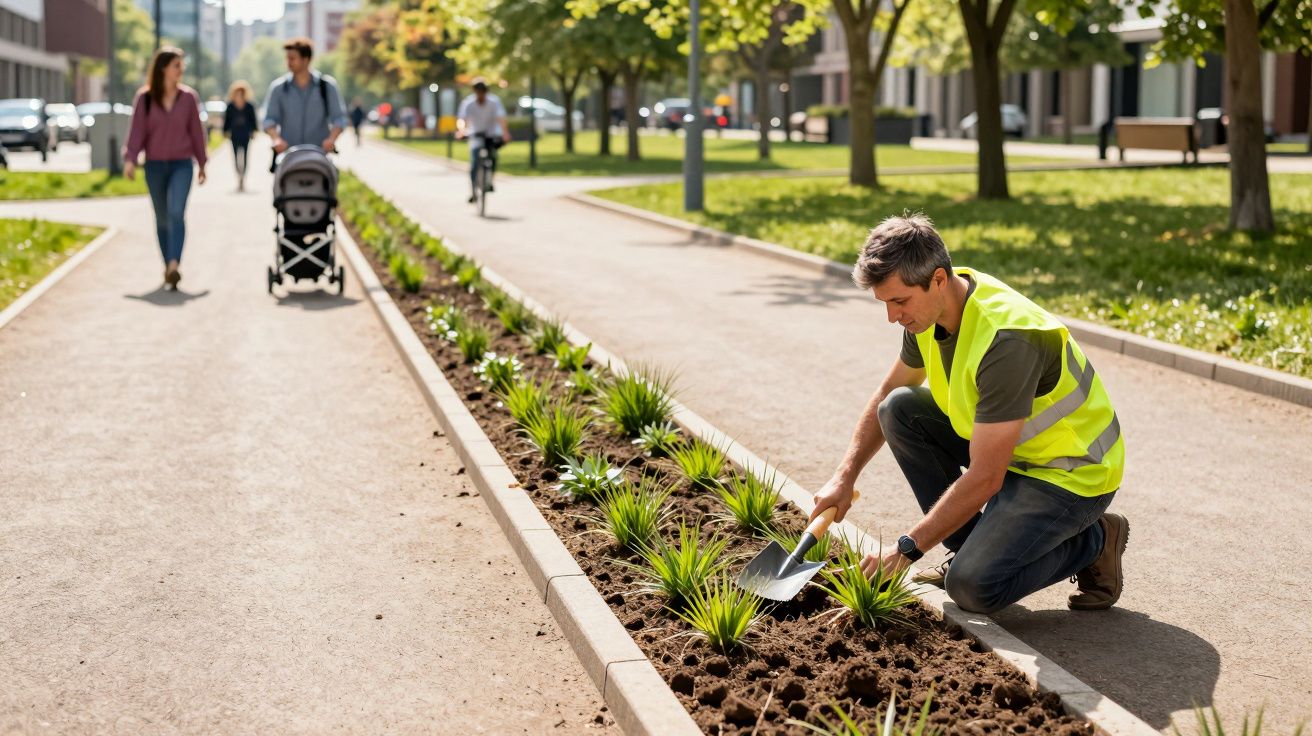
The advantage is resilience: if one plant sulks, the matrix holds the picture. This is also where planting services shine-installation density, spacing, and repeat rates matter, and doing it “nearly right” is how you end up weeding forever.
2) Climate-edge borders: tough near paving, lush away from it
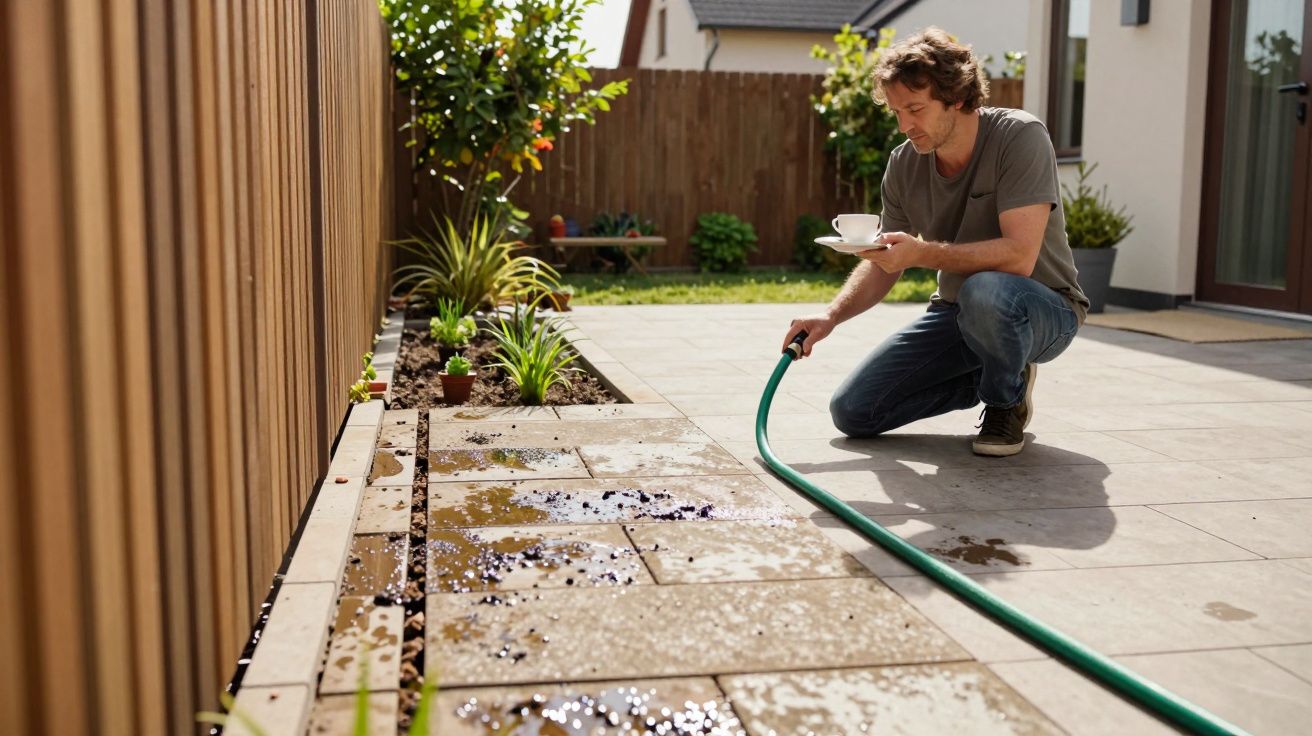
Hard surfaces cook. Future layouts respond by placing drought-tolerant structure closest to patios and paths (think aromatic shrubs, silver foliage, deep-rooted perennials), then transitioning to lusher planting as soil depth and moisture improve.
It’s a simple gradient that makes the whole garden easier to irrigate: you’re not trying to keep thirsty plants alive in the hottest strip of ground.
3) Productive-ornamental blends: edible, but not allotment-chaos
You’ll see more “pretty food”: fruiting shrubs in mixed borders, herbs as edging, espaliered apples as screens, and veg tucked into sunny pockets. The layout is the key-productive plants are placed where you’ll actually pick them, not where they technically could grow.
A small rule that changes everything: keep high-harvest plants within a 30-second walk of the kitchen door.
4) Wildlife corridors: one connected line beats five little gestures
Pollinator-friendly planting is shifting from scattered “bee plants” to continuous habitat strips: a linked run of nectar, shelter, and seed from spring to winter. In small gardens, that might be a single border that connects a climber, a shrub layer, and a meadowy under-layer.
It’s less performative, more effective-and it looks cohesive because repetition does the heavy lifting.
How to respond if you’re planning changes now
If you’re commissioning planting services, the best brief isn’t “modern” or “Mediterranean”. It’s site facts plus lifestyle truths. A good designer or planting team will translate that into a layout that behaves.
Try this three-step planning method: pause, pattern, purpose. Pause and watch your garden for a week. Spot the pattern-where sun bakes, where water sits, where you always cut the corner. End with purpose: write one sentence, like “I want it to look good from the sofa and not need daily watering.”
A practical checklist to take into a consultation:
- Where do you want shade at 4pm in July?
- Which view matters most: from the kitchen, the upstairs window, or the patio chair?
- What will you realistically do: water weekly, monthly, or “only if it’s dying”?
- Do you want a garden you edit (pruning, training, staking) or one you leave (cut back once a year)?
“The best layout isn’t the one that photographs perfectly in May. It’s the one that still makes sense in August, in rain, and in the week you forget it exists,” one planting designer told me.
The maintenance shift: design that forgives you
The next wave of layouts bakes in forgiveness. Narrow mixed borders that demand constant edging give way to deeper beds with fewer transitions. Lawns shrink or become paths through meadow mixes. Plants are chosen for how they age, not how they look in their first summer.
And there’s a quiet move towards “planned mess”: seed heads left for winter structure, leaf litter used as mulch, and pruning that’s more seasonal rhythm than weekly tidying. It’s not neglect. It’s a layout that expects nature to show up and gives it a job.
| Layout move | What it does | Why it suits the coming years |
|---|---|---|
| Clear routes + pause points | Turns planting into rooms, not clutter | Easier to live with, easier to maintain |
| Matrix planting | Holds the look even with plant losses | More resilient, less weeding over time |
| Climate gradients | Matches plants to heat and moisture zones | Less irrigation stress, better survival |
FAQ:
- How do I know if my garden needs a redesign or just better planting? If the space feels awkward to use (no obvious seating, messy routes, dead views), it’s layout. If it functions well but looks thin or chaotic, it’s planting density and repetition.
- Are “low maintenance” layouts just gravel and evergreens? No. The real trick is fewer fussy edges, deeper beds, repeat planting, and plants that don’t need staking or constant deadheading.
- What’s the biggest mistake people make when planning new planting? Underplanting. Too much bare soil invites weeds and makes everything look temporary for years.
- Can a small private garden still have trees in these new layouts? Yes-small trees are becoming more common because they cool space and add structure. The key is choosing the right size and placing it to shade seating, not the entire border.
- When should I book planting services for best results? Autumn and spring are the main windows. Autumn often gives better establishment for many perennials, shrubs, and trees because roots grow while the top rests.



Comments (0)
No comments yet. Be the first to comment!
Leave a Comment