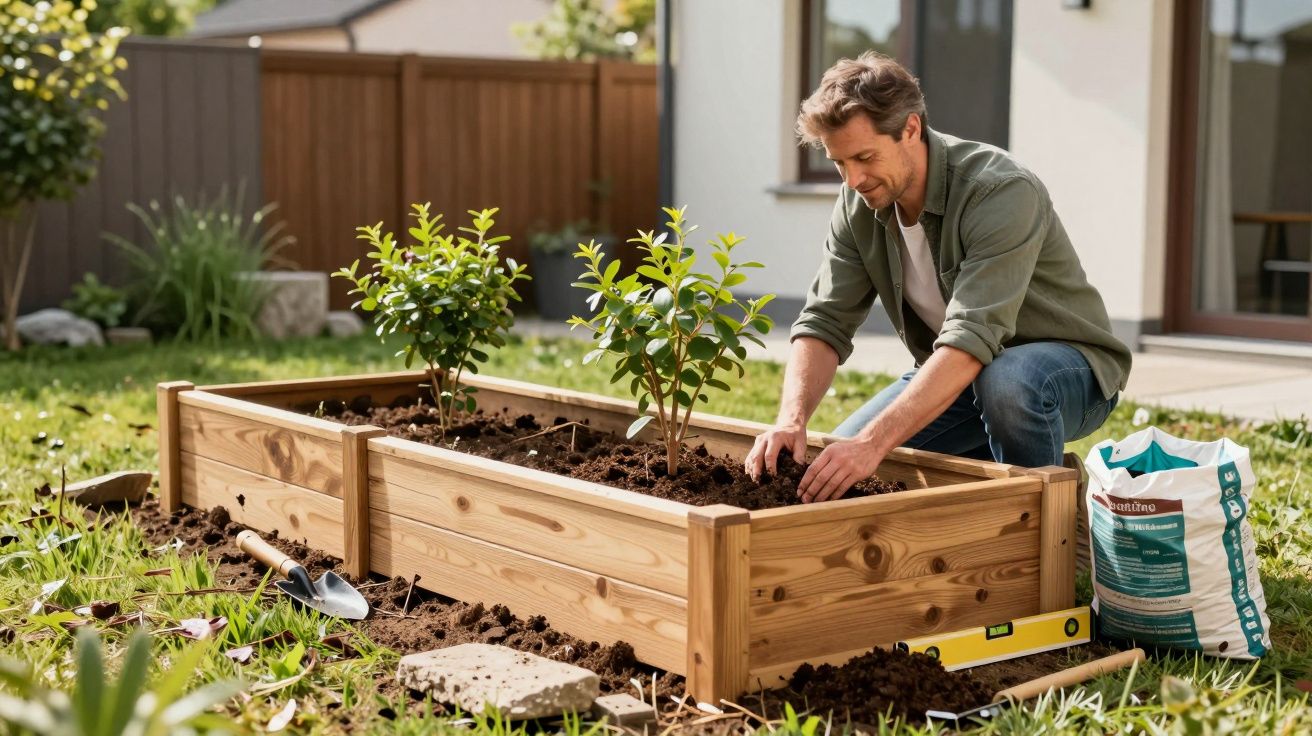
People usually come to garden maintenance for the same reason they change the oil in a car: to keep what they have working. But there’s a moment-often in late spring, when everything should be thriving-when the limits become obvious and garden refurbishment starts to make more sense than another round of tidying. Knowing which side of that line you’re on can save time, money, and a lot of quiet frustration.
It doesn’t happen because you “let it go”. It happens because gardens age, trees grow, drainage shifts, and yesterday’s quick fixes turn into today’s recurring jobs.
The day “good upkeep” stops delivering
At first, maintenance feels like progress. You mow, weed, edge, feed, and the place looks sharper by the weekend. Then the same problems return faster, and the work starts to feel like holding water in your hands.
A common tell is when you’re doing the right tasks, at the right time, and the garden still looks tired. The issue isn’t effort; it’s that the structure underneath the effort no longer supports the look you’re aiming for.
Maintenance preserves. Refurbishment changes what you’re preserving.
What maintenance can’t fix (no matter how diligent you are)
Garden maintenance excels at repeatable care: cutting, clearing, pruning, feeding, and keeping things presentable. It struggles when the garden’s design, levels, or infrastructure are the real cause of the mess.
Look for patterns like these:
- Beds that collapse into weeds because soil is thin, compacted, or shaded out.
- Borders that never look “finished” because plant sizes don’t match the space.
- Lawn that constantly fails due to drainage, heavy shade, or worn-through topsoil.
- Paving that shifts or puddles because the base has moved or was never right.
- Hedges that are “maintained” into ugly shapes because they’re the wrong species or planted too tightly.
You can prune a struggling shrub every year and still not get the form, flowering, or health you want. If the site conditions don’t suit it, maintenance becomes a loop rather than a solution.
The warning signs show up in your calendar
If you’re honest, the garden tells you early. The clues tend to be practical, not poetic.
- You’re replacing the same plants each season.
- You’ve started avoiding certain areas because they’re awkward or messy.
- Jobs are no longer seasonal; they’re constant and reactive.
- You spend more on “bits” (feed, weedkiller, replacement plants) than you expected.
When the work is repetitive and the results are temporary, you’re usually dealing with a refurbishment problem in disguise.
The hidden causes: layout, soil, and water
Most “high-maintenance” gardens aren’t high-maintenance by nature. They’re high-maintenance because something fundamental is fighting you.
Soil: the quiet driver of success
Soil that’s compacted, waterlogged, or starved of organic matter will keep punishing your planting choices. You can feed all year and still see weak growth if roots can’t breathe or spread.
A refurbishment approach might mean improving soil structure, rebuilding beds with better loam, or changing what’s planted where. It’s less glamorous than new furniture, but it’s the difference between plants surviving and plants thriving.
Water: drainage and flow decide the workload
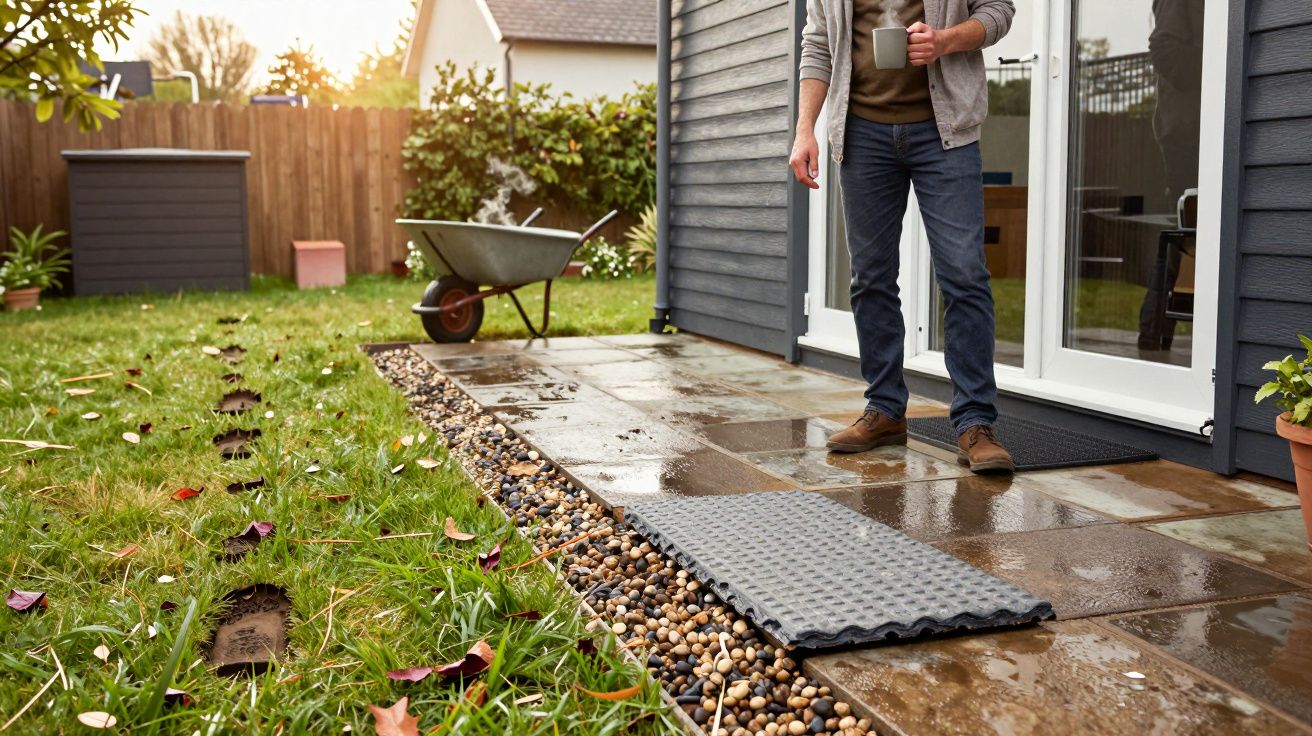
Puddles on paving, moss in the lawn, algae on shady steps-these are often water problems, not cleaning problems. If water sits where it shouldn’t, you’ll be scrubbing, re-laying, and re-seeding forever.
Sometimes the fix is as simple as regrading a small area or adding a soakaway. Sometimes it means rethinking levels and surfaces so water has somewhere sensible to go.
What “refurbishment” actually means in a home garden
Garden refurbishment doesn’t have to mean a full redesign or ripping everything out. It means changing the parts that make maintenance harder than it needs to be.
Common refurbishment moves include:
- Rebuilding tired beds and adding proper edging so mulch stays put.
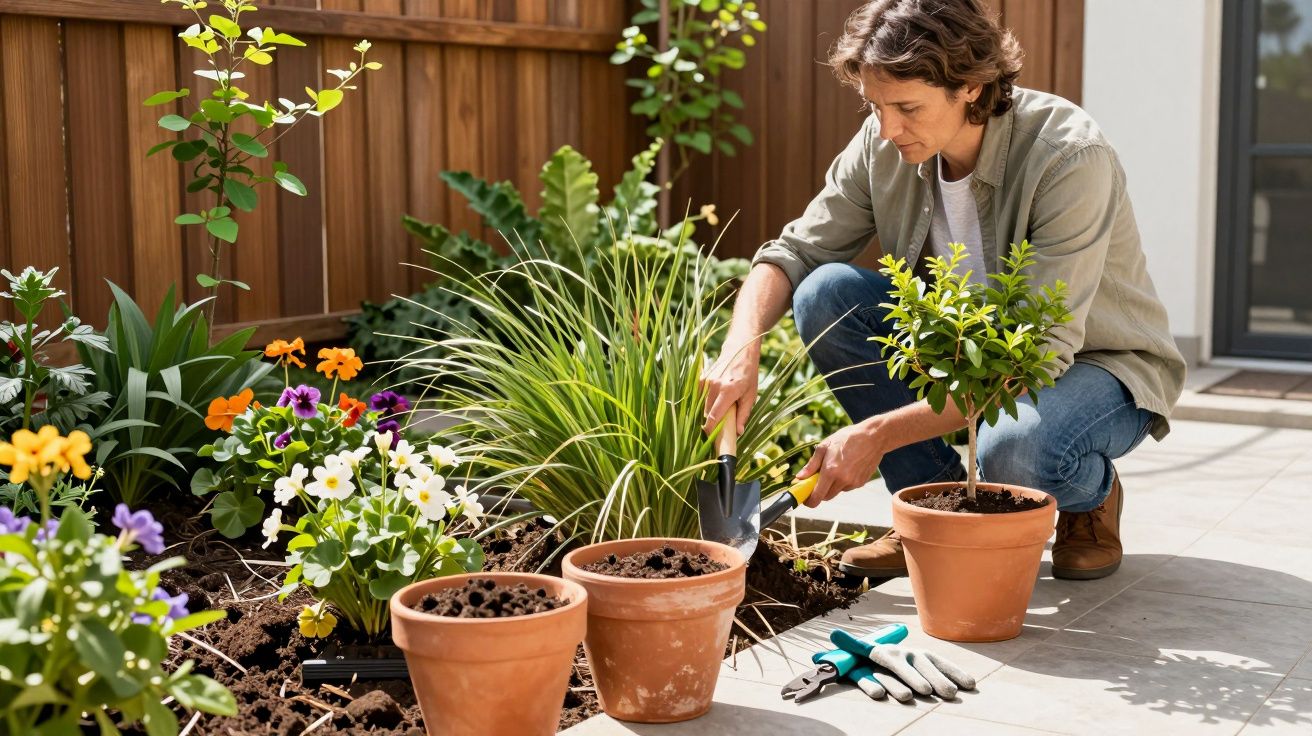
- Swapping struggling plants for ones that match light, soil, and scale.
- Reworking paths or patios so they drain and sit level.
- Reducing lawn area where it never performs and turning it into planting or gravel.
- Adding simple structure-screens, pergolas, raised planters-so the garden looks intentional year-round.
The goal is not “less gardening”. It’s a garden that pays you back for the time you put into it.
A quick decision tool: maintain, refurbish, or both
Most gardens need both, just in different proportions. The trick is to match the solution to the root cause.
| If the problem is… | Usually needs… | Why it works |
|---|---|---|
| Overgrowth, seasonal mess, untidy edges | Maintenance | Routine care restores shape fast |
| Persistent failure (lawn, plants, paving) | Refurbishment | Fixes conditions, structure, and levels |
| A garden that’s “fine” but never enjoyable | Both | Improve layout, then maintain the new baseline |
If you’re unsure, track one area for a month. If you do the right maintenance and it still looks wrong, that’s your answer.
How to start without turning it into a massive project
Refurbishment goes well when it’s staged. You don’t need to decide everything at once; you need to stop spending effort on parts that can’t respond.
- Pick the one area that drains your time (often the front border, the lawn, or the main patio edge).
- Identify the constraint: shade, water, poor soil, awkward access, or mismatched planting.
- Make one structural change: re-edge, rebuild the bed, adjust levels, change planting palette.
- Then maintain: once the structure is right, routine care starts to “hold”.
A small refurbishment done properly often reduces maintenance across the whole garden, because it removes the recurring failure points.
The realistic takeaway
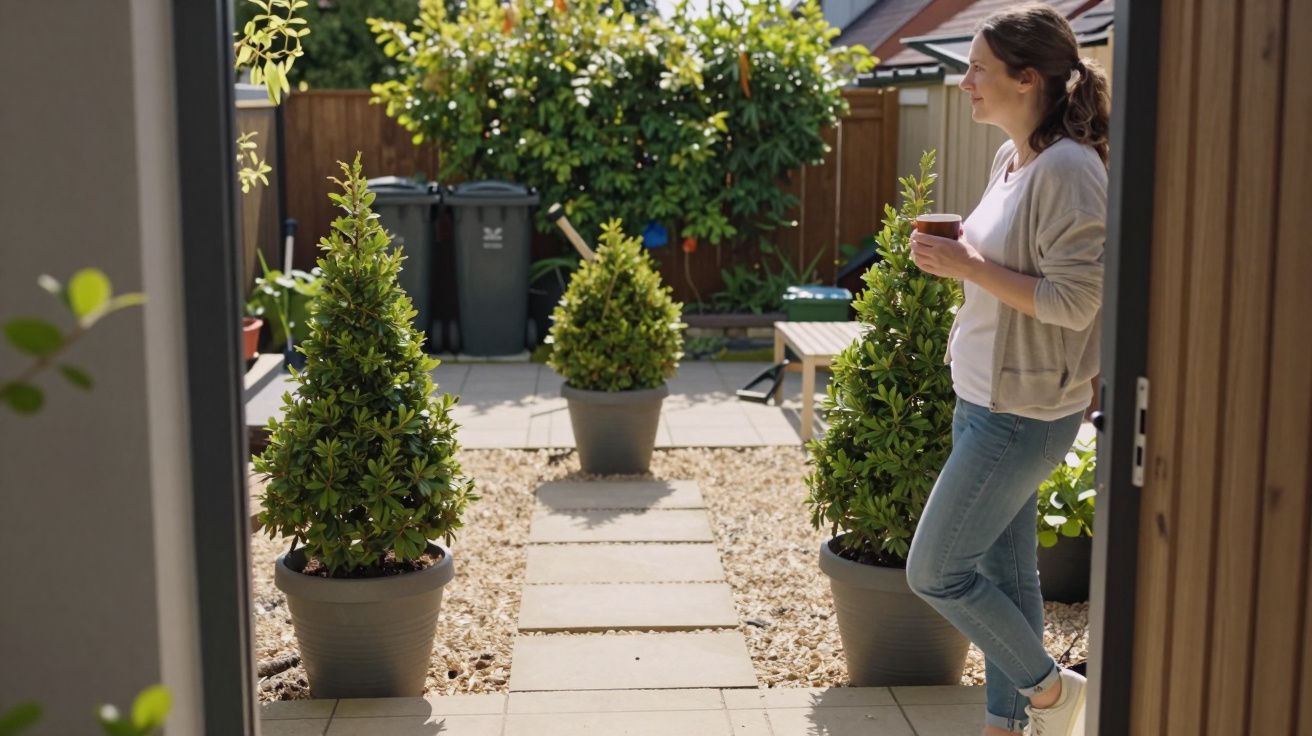
Garden maintenance keeps a garden respectable and healthy when the bones are sound. When the bones aren’t sound-when water, soil, layout, or ageing materials are working against you-maintenance becomes a treadmill.
That “moment” gardeners talk about is simply recognition: the garden isn’t asking for more effort. It’s asking for a better baseline.



Comments (0)
No comments yet. Be the first to comment!
Leave a Comment