Garden maintenance looks the same from a distance: mow, weed, prune, repeat. Up close, in seasonal context, it’s a moving target-soil warms, pests shift, rain arrives early, then stops entirely-and the gardens that stay healthy are the ones whose routines flex with it. That matters for you because the “right” job at the wrong time is how you end up fighting your own garden all year.
I first noticed the difference on a blustery spring morning behind a row of terraces in Bristol. A professional team arrived with far fewer tools than I expected, looked at the beds for two minutes, and changed their plan on the spot. “Same garden,” the lead gardener said, “new year.”
The bit most amateurs miss: professionals don’t follow calendars, they follow cues
A calendar is tidy. A garden isn’t.
Pros don’t ask “Is it March?” so much as “Has the soil warmed?” “Are buds swelling?” “Is it wet enough to compact?” They work off signals that prevent knock-on problems: fungal outbreaks after mild winters, slug pressure after warm rain, lawn stress after a dry spring.
That’s why their routines change every year even when the job list looks identical. The order shifts, the intensity shifts, and the “don’t touch that yet” list gets longer.
The yearly reset: a 10-minute inspection before anyone picks up a tool
Most professional visits start with a small loop of the garden, not a dramatic tidy. It’s a triage walk: what’s urgent, what can wait, and what will punish you later if you rush it.
They’re looking for boring indicators that save hours:
- Soil feel: sticky (too wet), crumbly (workable), dusty (watering strategy needed)
- Bud stage: tight, swelling, breaking-more useful than a date for pruning decisions
- Plant stress: pale growth, scorch, dieback, wind rock on new planting
- Pests early signs: aphid clusters on soft tips, snail trails, vine weevil notches
- Drainage: standing water, algae on paths, splashed soil on leaves (disease risk)
If you copy one professional habit, copy this. Ten minutes of looking prevents two weekends of “Why did that go wrong?”
Spring: feed the soil, go gentle on cuts, and get ahead of weeds
After winter, the temptation is to hack everything back and “start fresh”. Pros tend to do the opposite: small, well-timed interventions that keep momentum without triggering stress.
In a typical UK spring, the adapted routine is:
- Clear air and light, not perfection. Remove winter debris, open up crowns, lift flattened grasses, but don’t scalp borders to bare soil unless you’re also mulching.
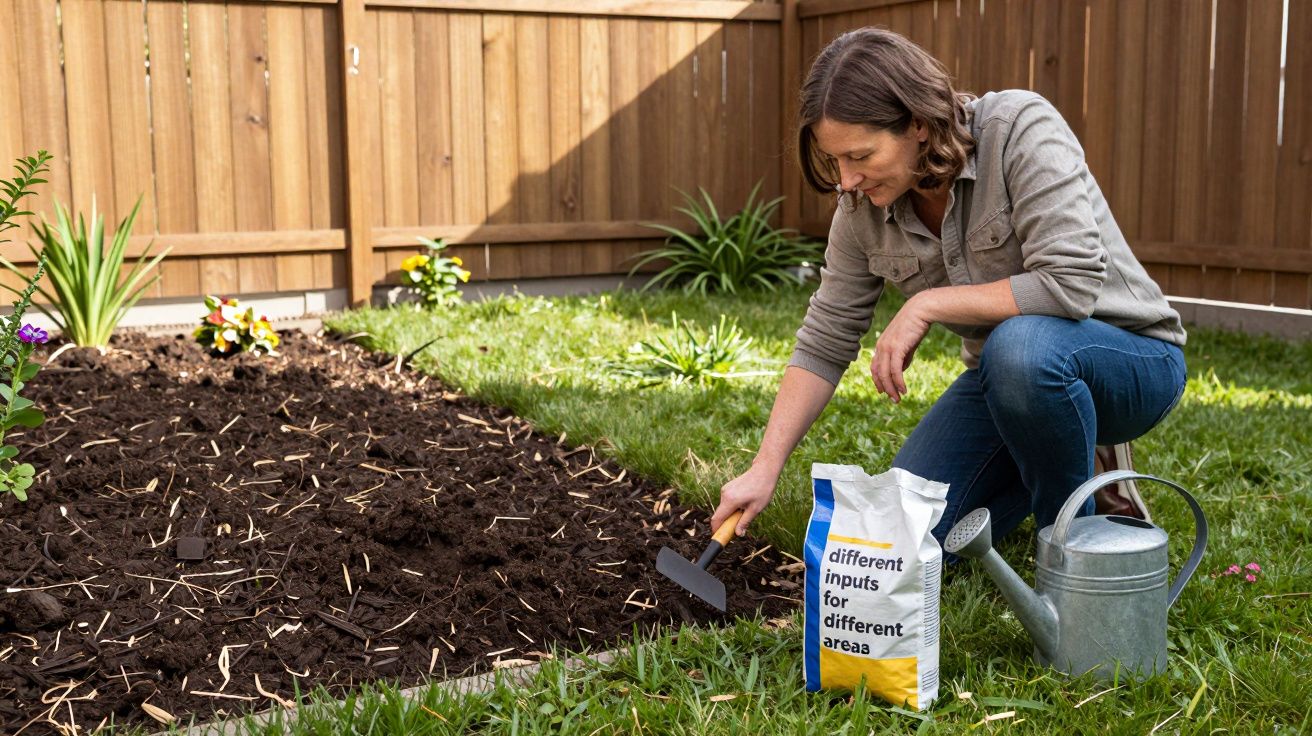
- Mulch when the soil is warming, not when it’s waterlogged. A 5–7cm layer of compost or well-rotted manure locks in moisture and smothers weed seeds-done too early on cold, saturated ground, it can slow warming and invite slugs.
- Weed little and often. Professionals do quick passes on tiny weeds, because seedlings come out in seconds and don’t drop seed. Waiting makes it “a job”.
- Prune with bud-awareness. If buds are already moving, hard pruning can cost flowers or push soft growth into a late frost.
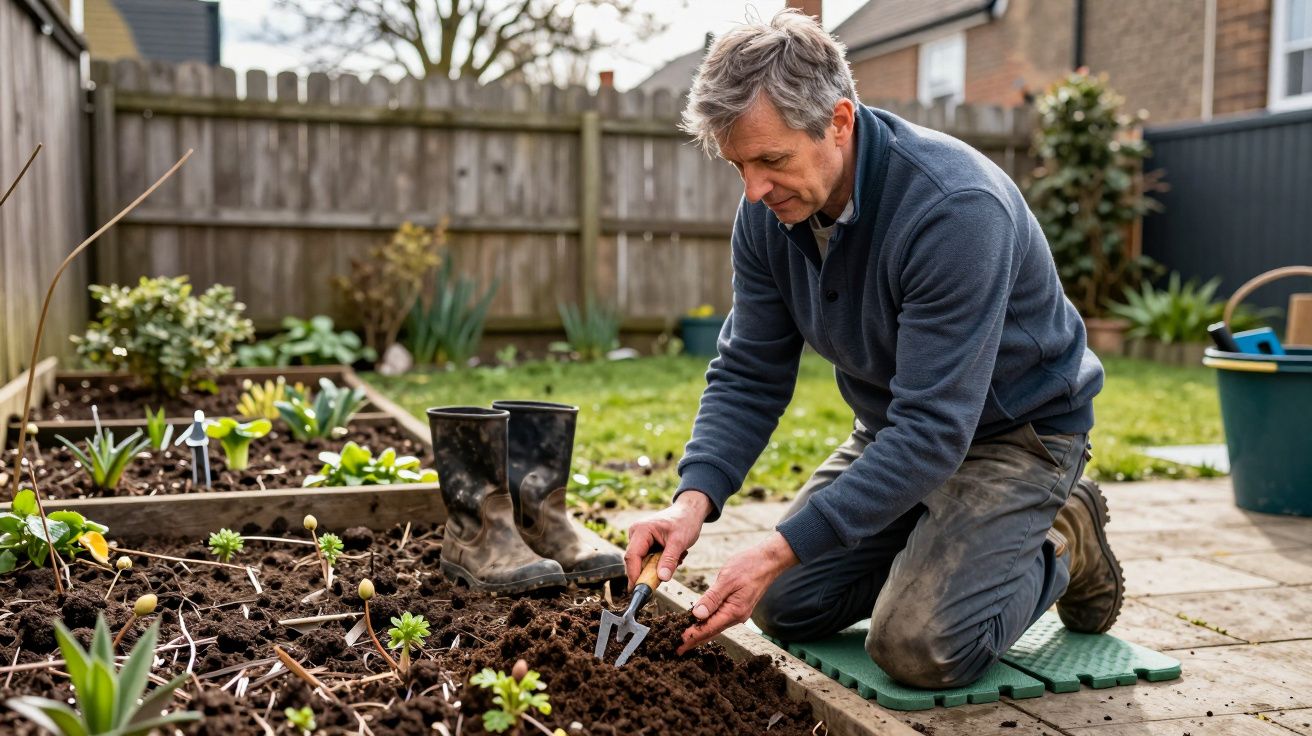
A small tell: pros carry a kneeling pad and a hand fork more often than a hoe. They’re not being quaint; they’re avoiding soil disturbance that triggers another flush of weed seeds.
Summer: water strategy becomes the routine (and everything else bends around it)
In summer, the best gardens aren’t the ones watered the most. They’re the ones watered correctly, with the rest of maintenance designed not to undo it.
Professionals adapt by doing less “pretty” work and more protective work:
- Deep watering, then a pause. Soak at the root zone early morning, let it penetrate, then wait until the top few centimetres dry. Frequent light watering trains shallow roots and creates needy plants.
- Mulch top-ups and shade management. A thin refresh of mulch, moving pots into dappled shade during heat spikes, and using foliage as living shade for soil.
- Deadheading with a purpose. Not everything gets deadheaded. Some plants are cut to extend flowering; others are left to form seedheads for structure and wildlife (and because it reduces constant fiddling).
- Lawn height goes up. Pros raise mowing height in dry spells. Longer grass shades its own roots and stays greener with less water.
The quiet summer rule is “don’t create problems you’ll have to water”. That means limiting heavy feeding in heat, avoiding hard pruning that triggers soft regrowth, and resisting the urge to bare-soil a border.
Autumn: tidy less than you think, but do the prevention jobs properly
Autumn maintenance isn’t just “putting the garden to bed”. It’s setting up next year’s workload.
In wetter years, pros prioritise anything that reduces winter damage: clearing gutters and drains, improving path grip, moving pots off cold wet ground, and reducing wind rock on new shrubs. In drier autumns, they’ll water woody plants and evergreens deeply before the cold arrives, because winter sun plus dry soil is a classic stress combo.
Core routine shifts:
- Leaf management becomes targeted. Leaves off lawns and out of ponds, yes. Leaves in borders, under hedges, and as leaf mould, also yes.
- Planting window decisions change. If soil is warm and moist, planting ramps up. If it’s already saturated, pros often delay to avoid root rot and compaction.
- Cutbacks are selective. Some perennials are cut; others are left for winter structure, insulation, and wildlife-then tidied in spring when you can see what survived.
If you only have one weekend, do the unglamorous bits: drainage, staking, and protecting soil. They’re the jobs that make spring easy.
Winter: it’s a planning season disguised as a quiet one
Winter routines look light, but professionals are still “maintaining”-just not always with secateurs.
They adapt to weather windows. A dry, bright spell becomes a pruning day; a wet spell becomes tool care and planning. And they use winter to fix systems rather than chase growth.
What pros do that’s worth copying:
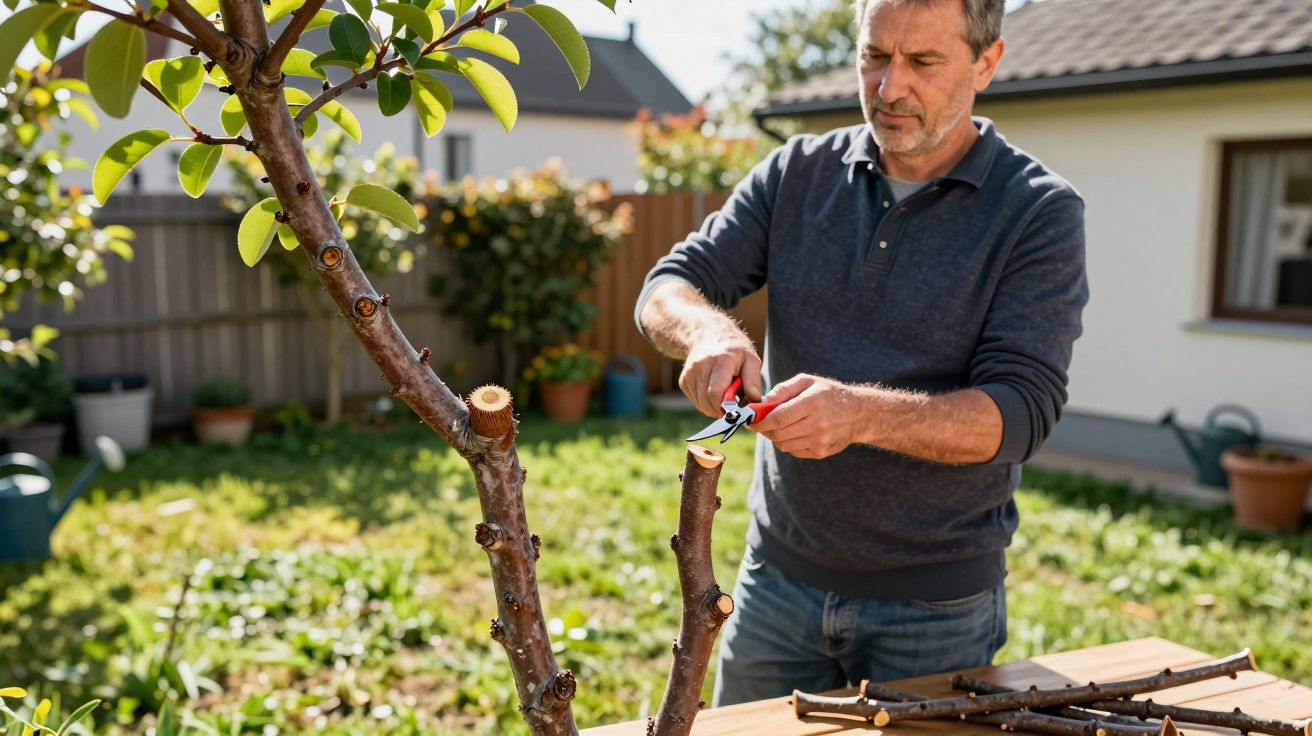
- Prune when the plant and the weather agree. Many deciduous shrubs and fruit trees suit winter pruning, but not in hard frost or when disease pressure is high.
- Protect soil structure. Fewer boots on wet beds, more boards if you must cross, and no enthusiastic digging just because you have time.
- Sharpen, clean, and reset. Blunt tools tear, which invites disease. Clean cuts heal faster.
- Make next year easier. Label plants you forgot, note where bulbs failed, and plan mulching and compost needs before spring prices and shortages bite.
A winter garden that’s “untouched” can be perfectly maintained if it’s protected, observed, and ready.
The professional rhythm you can steal: adjust one dial per season
Most people fail at routines because they try to do everything, every month, at the same intensity. Professionals change one main focus each season, then let other tasks support it.
- Spring dial: soil cover and early weed control
- Summer dial: water strategy and stress reduction
- Autumn dial: prevention (drainage, staking, planting timing)
- Winter dial: structure (pruning, protection, planning)
It sounds simple because it is. The sophistication is in reading your garden’s cues and letting the seasonal context decide the order.
| Season | Pro focus | What you copy at home |
|---|---|---|
| Spring | Build momentum | Mulch, light pruning, small weed passes |
| Summer | Reduce stress | Deep water, raise mower height, pause hard cuts |
| Autumn | Prevent damage | Drainage, selective tidy, plant when soil suits |
| Winter | Prepare systems | Prune in weather windows, protect soil, tool care |
FAQ:
- Do I need to change my routine every year if my garden looks “fine”? Yes, lightly. Weather shifts change pest pressure, plant timing, and soil moisture. Small adjustments (watering depth, mowing height, pruning timing) prevent slow decline.
- What’s the quickest way to know what to do first? Do a 10-minute inspection loop: check soil wetness, bud stage, pest signs, and drainage. Then pick one priority job that prevents bigger work later.
- Should I always mulch in spring? Often, but not always. Mulch when the soil is workable and starting to warm; mulching cold, saturated ground can slow growth and encourage slugs.
- Is it bad to do a “big autumn tidy”? Not automatically, but it can remove winter habitat and expose soil. Aim for targeted tidying (lawns, ponds, diseased material) and leave some structure until spring.
- What’s the most common professional mistake homeowners repeat? Working wet soil. It compacts, ruins structure, and creates problems that last all year. If it sticks to your boots, change the plan.




Comments (0)
No comments yet. Be the first to comment!
Leave a Comment