
The week the clocks change, you can feel it in the garden before you notice it on your phone. Garden maintenance in a seasonal context isn’t about “doing more” when the weather turns; it’s about doing the right small things at the right time, so problems don’t compound quietly behind the shed. Professionals rely on patterns because gardens don’t forgive randomness for long-and because most of the work that matters is preventative, not heroic.
A client once said, half joking, “I only notice the garden when it looks terrible.” Most people do. The pros build routines that make “terrible” less likely to arrive, and if it does, it arrives smaller.
Why professionals think in patterns, not tasks
A garden is a system with lag. Miss one window-mulch before the soil warms, cut back before sap rises, mow before seedheads set-and you spend the next month chasing your own tail. That’s why good gardeners talk about timing like cooks talk about heat: the same action can help or harm depending on when you do it.
The other reason is energy. You don’t have unlimited weekends, and plants don’t care about your calendar. Patterns let you bank effort when it’s easy and spend it when it’s necessary.
The year-round “three checks” that keep most gardens steady
Before the seasonal list, here’s the boring, beautiful backbone most professionals follow. Three quick checks, repeated often, stop 80% of headaches.
- Water: Is anything newly planted wilting? Is irrigation leaking or blocked? Are pots drying faster than beds?
- Growth: What’s racing ahead (lawns, ivy, brambles)? What’s stalling (yellowing leaves, bare patches)?
- Damage: Pests, fungus, wind breakage, frost scorch-anything that gets worse if ignored for two weeks.
You don’t need a clipboard. You need a loop around the garden with your eyes on the same “tells” each time.
Spring: reset the soil, then guide the surge
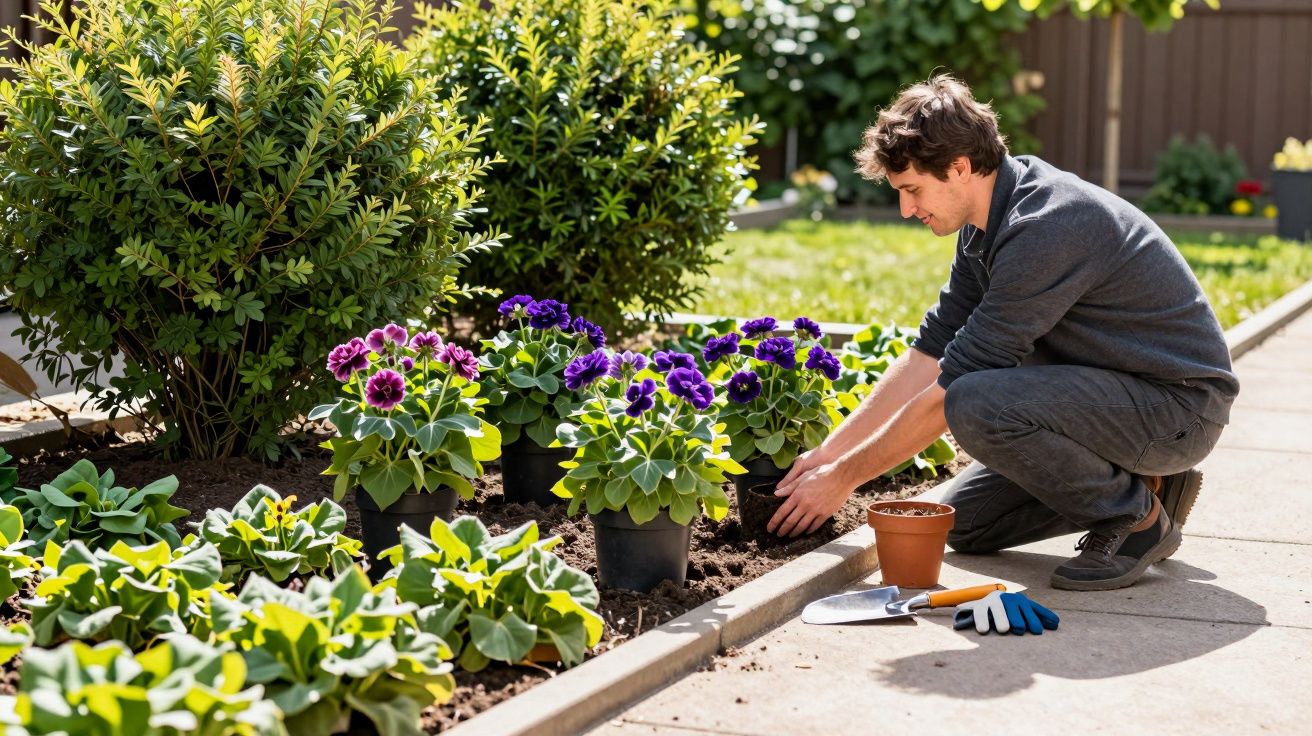
Spring maintenance looks busy because everything wakes up at once, but the pros prioritise two things: soil conditions and clean structure. If you get those right early, the rest becomes lighter.
Start by working with the ground, not against it. Walking and digging on saturated soil compacts it, and compaction is the kind of mistake that haunts you into summer. Wait until it crumbles rather than smears, then go.
What professionals do first in spring:
- Clear, don’t scalp: Remove winter debris and dead stems, but avoid stripping all cover too early-beneficial insects are still sheltering.
- Feed the soil, not the plant: Compost as a thin top-dressing, then mulch once the soil has begun to warm. Mulch on cold ground can slow growth.
- Prune with purpose: Cut back for airflow and shape, but time it to the plant (late-summer flowerers vs spring blossom). If in doubt, avoid heavy cuts until you can see buds swelling.
- Weed small and often: Professionals attack weeds when they’re tiny because tiny weeds don’t have reserves. The job stays humane.
Spring is also when lawn problems are either corrected gently or baked in for the year. Scarify and aerate only when growth is active enough to recover, then seed bare patches while moisture is still reliable.
Summer: keep things watered, but keep them breathing
In summer, the pattern becomes: deep water, light trim, constant observation. Heat doesn’t just stress plants-it changes pest cycles, dries out compost in pots, and turns small irrigation failures into sudden losses.
Professionals prefer fewer, deeper waterings to daily sprinkles. It drives roots down, reduces surface evaporation, and helps lawns and borders cope when you miss a day.
Summer habits professionals rely on:
- Water early, water the soil: Morning watering reduces evaporation and leaf-wet time overnight (which can encourage mildew). Aim at the root zone, not the foliage.
- Deadhead strategically: Not everything needs it, but repeat-flowering roses, many perennials, and containers do. Deadheading is less about tidiness than about extending performance.
- Thin for airflow: A little selective cutting reduces mildew and aphid pressure. It’s counterintuitive: removing growth can make plants healthier in heat.
- Stake before storms: Tall perennials staked early look natural; staked after a windy night look like a rescue mission.
Pots are their own category. Professionals check containers daily in hot spells, not because they love fussing, but because a pot can go from “fine” to “crispy” in one afternoon, especially in wind.
Autumn: tidy with restraint, then prepare for winter pressure
Autumn is where pros quietly win the following spring. It’s also where many gardens get over-tidied, leaving soil exposed and wildlife displaced. The professional pattern is: remove what rots badly, keep what protects, and deal with leaves before they become slime.
Lawns and paths are the obvious risk points. Wet leaves left in place smother grass and turn hard surfaces into a skating rink.
Autumn priorities:
- Leaf management as a routine: Little-and-often raking, or blowing only where necessary. Compost what you can; leaf mould is gold next year.
- Cut back selectively: Remove diseased material and anything that will collapse into mush, but consider leaving seedheads and stems that stand through winter.
- Plant and divide while soil is warm: Many perennials and shrubs establish best now, with less watering than spring planting.
- Protect what’s vulnerable: Move tender pots closer to the house, raise containers off cold paving, and check ties and supports.
Autumn is also the moment for honest editing. If something needed constant rescuing all summer, professionals don’t keep negotiating with it. They replace it with a plant better suited to the site.
Winter: make it safe, make it clean, don’t force growth
Winter maintenance isn’t about “doing nothing”. It’s about doing the quiet jobs that are miserable in July: tool care, structural pruning (where appropriate), drainage fixes, and planning.
Pros watch for two winter garden villains: waterlogging and wind. Both do damage you can’t undo quickly when spring arrives.
Winter patterns that pay off:
- Keep drains and gutters clear: Overflow and pooling water are often garden problems that start on the roof or patio.
- Prune for structure (in the right plants): Many deciduous trees and some shrubs can be shaped while dormant, but avoid plants that bleed sap heavily or those that set buds early.
- Protect soil: Mulch paths and beds where compaction is likely, and avoid repeated foot traffic on wet ground.
- Clean, sharpen, store: A sharp pair of secateurs makes cleaner cuts and spreads fewer diseases. It also makes you more likely to do the job at all.
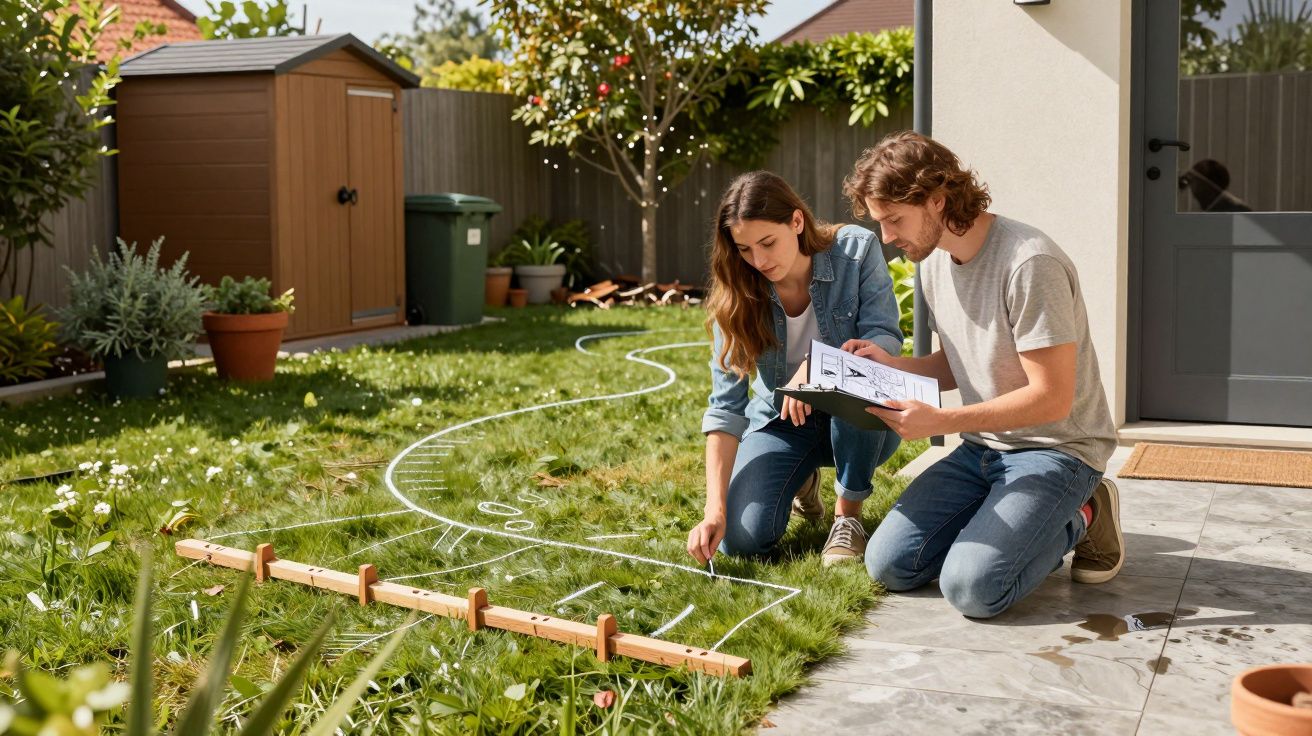
Winter is when professionals do their thinking. A simple sketch of what worked, what failed, and what needs moving saves hours later.
The simplest seasonal rhythm to copy (without becoming a full-time gardener)
If you want the professional effect without the professional hours, borrow this rhythm. It’s less about perfect timing and more about not missing the big windows.
| Season | Focus | Aim |
|---|---|---|
| Spring | Soil + structure | Set conditions for healthy growth |
| Summer | Water + airflow | Prevent stress and disease spirals |
| Autumn | Leaves + establishment | Reduce rot, plant for next year |
| Winter | Drainage + tools | Prevent damage, prepare clean cuts |
The best part is psychological: you stop feeling like the garden is a series of emergencies. It becomes a loop you recognise.
A few “pro rules” that stop common mistakes
You’ll hear these said quietly on jobs, because they’re the kind of rules that keep everything else easy.
- Don’t feed a stressed plant into a heatwave. Water and shade first; fertiliser can push soft growth that fails.
- Don’t prune blindly in spring. If you don’t know when it flowers, you can prune off the show.
- Don’t leave bare soil going into summer. Mulch is water insurance.
- Don’t tidy everything in autumn. Some “mess” is habitat and frost protection.
A garden doesn’t need constant attention. It needs a few timely decisions repeated reliably.
FAQ:
- Do I need to do garden maintenance every week? Not everywhere. A weekly 10–15 minute walk-and-check prevents most problems; heavier tasks can be seasonal.
- When is the best time to mulch? Typically in spring once the soil has started warming, and again in autumn if you’re protecting soil structure and suppressing winter weeds.
- Is it bad to cut everything back in autumn? Often, yes. Cut back diseased or collapsing plants, but leaving some stems and seedheads helps wildlife and protects crowns from frost.
- How do professionals water in summer? Deeply and less often, aiming at the soil early in the day, with extra attention to containers and new plants.
- What’s the quickest “winter win”? Clear drainage routes (gutters, channels, gullies) and keep off saturated beds to avoid compaction.




Comments (0)
No comments yet. Be the first to comment!
Leave a Comment