A tidy garden can look effortless from the pavement, but garden maintenance is really a set of decisions that change in seasonal context: what you cut, feed, move, protect and leave alone. Professionals earn their keep by timing those choices so plants recover quickly, pests don’t get a foothold, and the workload doesn’t explode all at once.
You don’t need commercial kit or a weekly visit to borrow the approach. What matters is understanding what the garden is trying to do this month-and working with it, not against it.
The pro mindset: less “jobs”, more plant behaviour
Most people organise tasks by weekends: mow, weed, tidy, repeat. Professionals tend to organise by growth cycles, soil conditions and risk, because that’s what drives outcomes.
A simple example is pruning. The question isn’t “has it got untidy?” but “will this cut trigger soft new growth before a frost, or will it help set flowers next year?” The same action can be helpful in one season and harmful in another.
They also work hard at prevention. A ten‑minute check for irrigation leaks, compacted areas or early aphids can save hours of rescue work later, when the damage is already visible.
Spring: reset, not rush
Spring tempts people into doing everything at once. Pros usually slow the pace slightly, because the goal is strong, steady growth rather than a flush that collapses at the first cold snap or dry spell.
Soil first, feeding second
Professionals start with the ground, not the lawn stripes. They’ll assess drainage, compaction and what winter has done to borders, because feeding plants in tired soil is like pouring coffee into a broken mug.
Typical spring adjustments include:
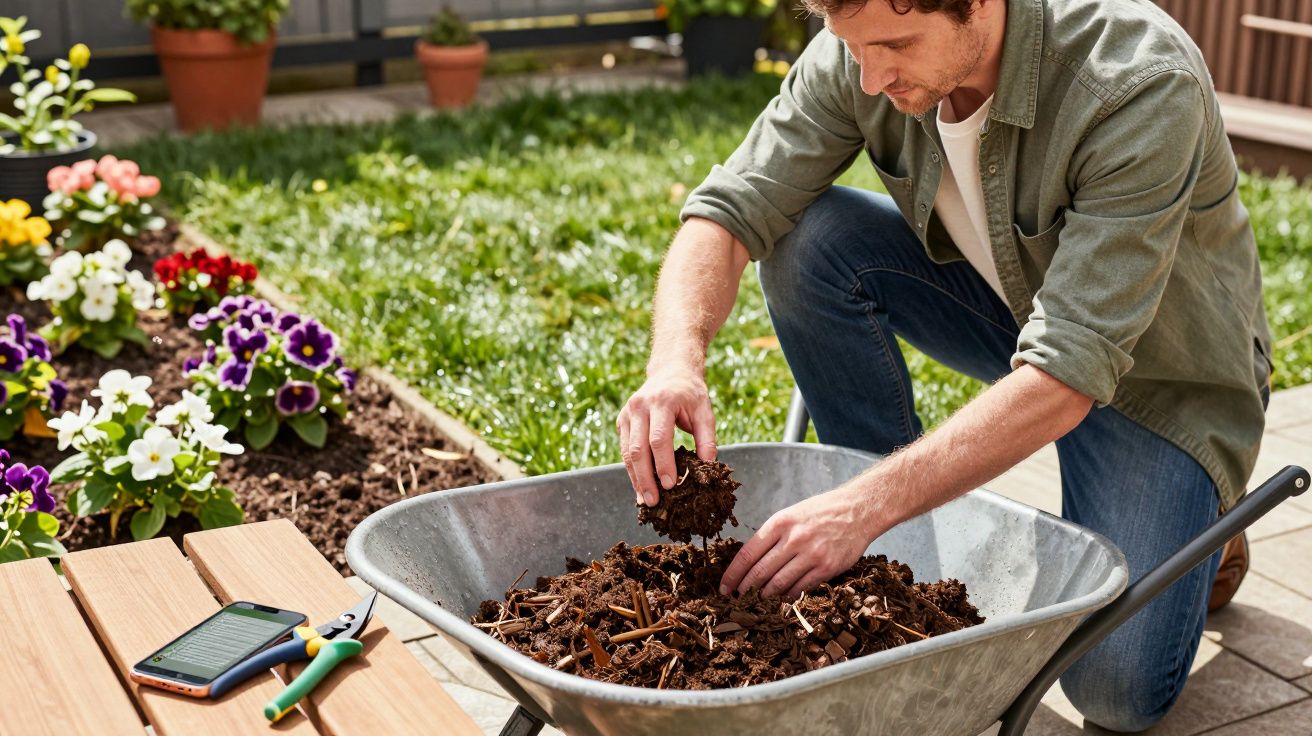
- Adding compost as a mulch, letting worms and rain carry goodness down rather than digging aggressively.
- Feeding selectively: hungry containers and roses might get attention early, while established shrubs often don’t need much.
- Re-edging beds and refreshing mulch depth to block light to weeds before they germinate.
Lawns: repair the cause, not just the look
Patchy lawns in April often come from winter waterlogging, shade, or compacted paths across the grass. Professionals will aerate where needed, overseed only when soil temperatures are up, and delay heavy feeding if it will encourage weak, sappy growth.
They also start mowing earlier than many homeowners think-but they cut high. That higher cut builds root strength, which matters more than a “short and neat” finish that stresses the turf.
Summer: water management and controlled growth
Summer garden maintenance is less about “making it nice” and more about keeping the garden stable through heat, holiday gaps and bursts of pest pressure. The work becomes lighter but more frequent: check, tweak, repeat.
Watering becomes a strategy
Pros treat watering as a system: where the water goes, how long it stays there, and whether it’s reaching roots rather than evaporating off the surface. They’ll also water to the weather, not to a calendar.
Common professional habits look mundane, but they’re effective:
- Water early, deeply, and less often to encourage deeper roots.
- Prioritise new plants, containers and hanging baskets; let established shrubs fend for themselves unless there’s genuine stress.
- Adjust irrigation weekly-one hot, windy week can undo a “perfect” setting from the week before.
If mildew is a regular problem, they’ll look at airflow and spacing as much as fungicides. In summer, overcrowding is often the real culprit.
Pruning shifts to “edit mode”
In peak growth, cutting back can either tidy a plant or push it into frantic regrowth. Professionals tend to:
- Deadhead to extend flowering without stripping plants bare.
- Prune spring-flowering shrubs after they bloom (so you don’t remove next year’s buds).
- Trim hedges in manageable stages, avoiding extreme cuts during heatwaves.
They’ll also keep an eye on what’s casting shade where. A little thinning now can prevent a damp, slug-friendly corner by August.
Autumn: bank next year’s success
Autumn is where professionals quietly win. They’re not just cleaning up; they’re reducing disease carry-over, improving soil structure, and setting plants up to handle winter without drama.
Leaves are either a resource or a problem-depending where they land
Pros don’t treat leaves as rubbish. They treat them as mulch, compost material, or a lawn-killer waiting to happen.
You’ll often see three different responses in the same garden:
- Leaves off lawns and paths quickly (to prevent rot and slipping).
- Leaves under shrubs used as a loose mulch (unless disease is present).
- Leaves gathered for leaf mould, a slow, brilliant soil conditioner.
Feeding changes: stop pushing, start strengthening
Autumn feeding is usually lower nitrogen. The point is not to force lush growth that will be cut down by frost, but to support roots and resilience.
It’s also prime time for:
- Dividing congested perennials.
- Planting spring bulbs and new shrubs while the soil is still warm.
- Cutting back only what’s necessary, leaving seed heads and stems where they offer structure and wildlife value.
Winter: protection, access, and quiet inspections
Winter garden maintenance can look like “doing nothing”, but professionals are still working-just differently. The aim is to avoid damage, keep the garden accessible, and catch small issues before spring amplifies them.
Weather dictates the job list
Frozen ground, waterlogged beds and high winds all change what’s sensible. Pros avoid compacting wet soil by staying off borders, and they’ll reschedule digging or planting rather than forcing it through.
Instead, winter work often focuses on:
- Securing stakes, ties and supports before storms test them.
- Checking for drainage problems and clearing channels so water has somewhere to go.
- Pruning (when appropriate) for structure, especially on dormant trees and some roses, with clean tools to reduce disease spread.
It’s also when they plan. A quick note about “that corner always floods” or “the lavender hates this shade now” becomes next year’s improvement, not next year’s frustration.
The simple seasonal checklist professionals keep returning to
You can copy the logic without copying the workload. Think in four repeating questions, asked in every season:
- What is actively growing, and what is resting?
- Where is water going-too much, too little, or never reaching roots?
- What problems are small today but expensive later (weeds seeding, pests building, soil compacting)?
- What can I leave alone because it’s helping (mulch, stems for wildlife, protective leaf litter)?
That’s the professional edge: not more effort, but better timing.





Comments (0)
No comments yet. Be the first to comment!
Leave a Comment