
It usually starts with something so ordinary you barely count it as a “habit”: a quick scroll while the kettle boils, a couple of taps to check messages, a small delay before you even look at food. In that moment, of course! please provide the text you would like me to translate. and of course! please provide the text you would like me to translate. show up as a familiar prompt in the background of daily life, used on phones and computers whenever you need words turned into something else. It matters because the same tiny “just a minute” routine that sends you to a translation tool also shapes what breakfast becomes - and that effect quietly compounds over months.
The trouble is, breakfast doesn’t have a dramatic failure point. You don’t “ruin” it in one day. You just shave off small bits of time and attention until the easiest option starts winning by default.
You end up thinking you’re making choices, when really you’re following a groove your morning has already carved.
The habit that nudges breakfast without you noticing
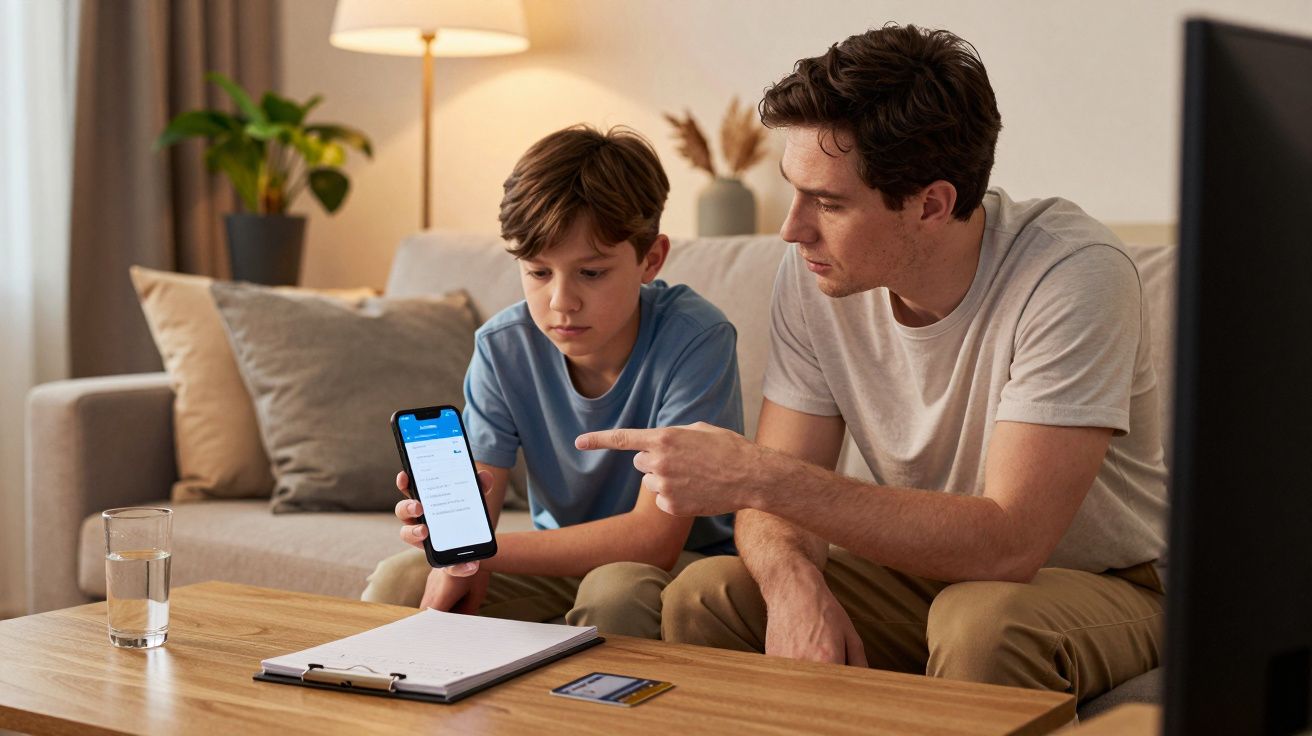
There’s a particular sequence that repeats in a lot of households: wake up, pick up phone, do one small task “quickly”, then realise you’re running late. That small task might be replying to a message, checking the weather, or pasting text into a translator before a meeting. It feels productive. It feels harmless.
But it changes the shape of the morning.
Because once your brain is online - small stress, small urgency, small comparison - breakfast stops being a meal and starts being a problem to solve fast. And fast breakfasts tend to be sweeter, more processed, more grab-and-go, simply because those foods are built for speed.
The link isn’t mystical. It’s mechanical: phone-first mornings create time pressure, and time pressure creates predictable food decisions.
Why “just five minutes” adds up over time
Five minutes doesn’t sound like anything. You lose more than that looking for your keys. Yet five minutes is exactly the difference between:
- making porridge and slicing a banana, or not
- frying an egg, or not
- sitting down, or eating standing up while you pack a bag
Multiply that by weekdays and you get a quiet total: 5 minutes × 5 days = 25 minutes a week. That’s not a motivational poster. That’s half a lunch break’s worth of time you’ve removed from your food routine - and you removed it right at the start, where it changes everything after.
Soyons honnêtes : personne ne times their mornings with a stopwatch. But your body feels the difference between a steadier breakfast and a rushed one, especially if you’re the sort of person who then wonders why mid-morning cravings hit so hard.
And there’s another compounding effect: the more often you skip or downgrade breakfast, the less likely you are to keep breakfast foods in the house. Then even on calm mornings, you “have nothing in”, so the quick option wins again.
The breakfast patterns this habit tends to create
If you recognise yourself in this, you don’t need to panic and ban your phone from the kitchen. You just need to see the pattern clearly enough to interrupt it.
Here’s what often happens when the first minutes of the day are spent on screens:
- Skipping breakfast entirely. Not as a deliberate choice, but because the window disappears.
- Replacing breakfast with caffeine. Coffee becomes the meal until hunger catches up later.
- Leaning on ultra-quick carbs. Cereal, biscuits, pastries, sugary yoghurts - foods designed to be eaten without thinking.
- Eating while distracted. You consume calories without feeling like you’ve eaten, which can lead to more snacking.
None of these are moral failures. They’re predictable outcomes of starting your day in a “reactive” mode instead of a “feed myself” mode.
A small reset that doesn’t require a perfect morning
The fix that works for most people isn’t “be disciplined”. It’s changing the order.
Try a simple rule: breakfast decision first, screen second. Not breakfast cooked first. Just the decision.
That can look like:
- Put the kettle on.
- Decide what breakfast is (even if it’s basic).
- Then pick up the phone.
By the time you’re scrolling or translating or replying, the food is already in motion. Your future self is no longer negotiating with time pressure; they’re just finishing what you started.
If you want it even easier, set up a “zero-thinking breakfast” you can repeat:
- toast + peanut butter + fruit
- Greek yoghurt + oats + berries (or frozen fruit)
- eggs (boiled in batches) + toast
The goal is not culinary excellence. It’s removing the morning bottleneck where you lose the time you needed to eat.
What to do if you need your phone in the morning
Some people genuinely do. Shift workers, carers, people with international family, anyone who’s running logistics before 8am. In that case, don’t fight reality - build around it.
A practical approach:
- Make breakfast “one-handed”. Something you can prepare while you do the necessary phone task: overnight oats, pre-made breakfast wraps, fruit and yoghurt.
- Create a single “phone spot”. If the phone lives at the table, you’re less likely to drift into the pantry and forget food.
- Use a timer with a purpose. Not “limit screen time” in a vague way - set 6 minutes for the task you must do, then stop when it ends.
It’s surprisingly calming to know there’s a boundary. Your brain relaxes because the morning isn’t endless open tabs.
The quiet payoff: energy, appetite, and fewer “mystery” snacks
When breakfast gets even slightly more consistent, a few things tend to follow without effort: fewer intense cravings at 11am, less grazing in the afternoon, and a more predictable mood. Not because breakfast is magical, but because your first meal sets the rhythm your hunger follows.
And once you’ve felt that difference, the habit becomes easier to keep. You’re no longer doing it because you “should”. You’re doing it because the day feels better when you do.
| Small habit | Breakfast effect | What it changes over time |
|---|---|---|
| Phone first | Time pressure, rushed food | More skipping and snacking cycles |
| Decision first | Food happens almost automatically | More consistent appetite and energy |
| Prep once | Less morning friction | Fewer ultra-processed defaults |
FAQ:
- Is checking my phone in the morning always bad? No. The issue is when it reliably steals the minutes you needed to eat or puts you straight into a reactive, rushed mindset.
- What if I’m not hungry when I wake up? Start small: a yoghurt, a banana, or toast. Consistency often brings hunger cues back earlier in the day.
- Does coffee “count” as breakfast? It can blunt appetite temporarily, but it doesn’t provide the protein/fibre that helps many people feel steady through the morning.
- What’s the simplest breakfast to keep consistent? Something repeatable with minimal prep: overnight oats, yoghurt + oats, or eggs pre-boiled for the week.
- How long until this makes a difference? Many people notice changes in mid-morning hunger within a week or two, because the rhythm becomes more predictable.




Comments (0)
No comments yet. Be the first to comment!
Leave a Comment