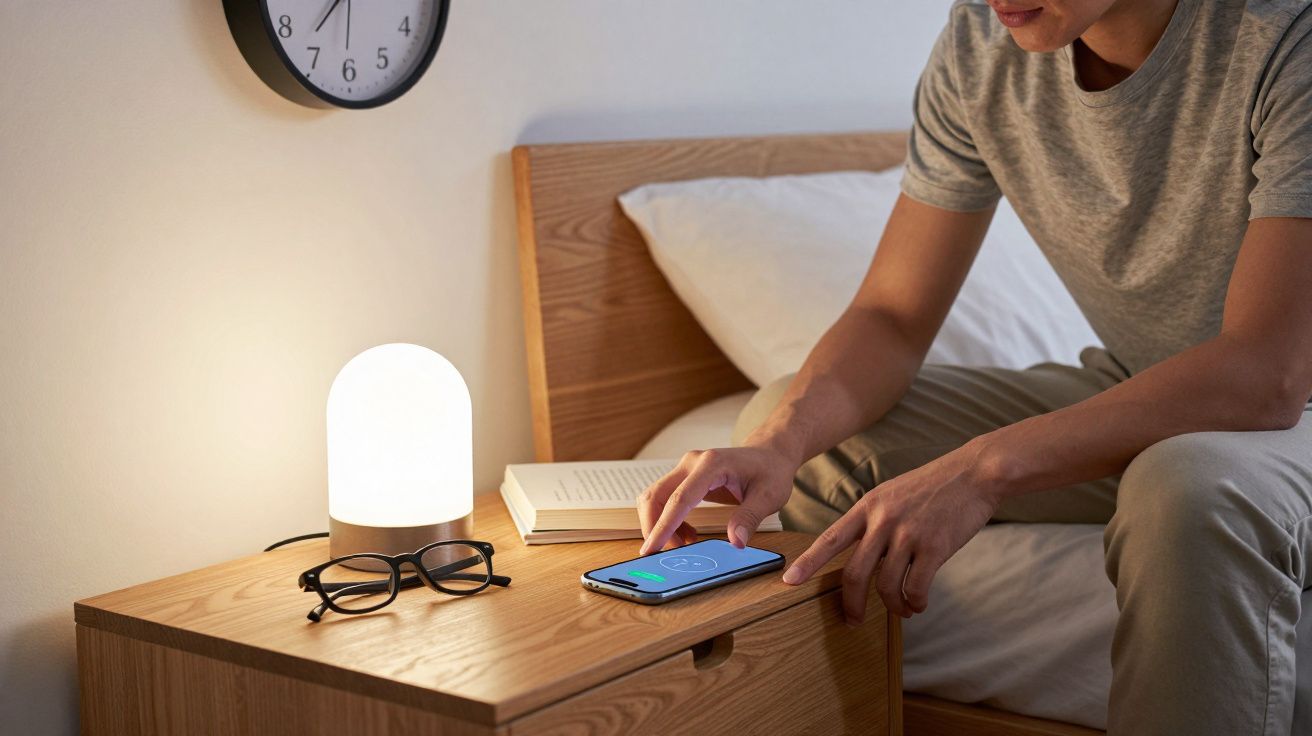
The phrase “of course! please provide the text you would like me to translate.” has become a oddly familiar stand‑in for a different kind of modern problem: people want a simple rule they can copy and paste into life. The same is true of sleep, where “of course! please provide the text you would like me to translate.” captures the appetite for a neat answer-go to bed at a “correct” time and everything will sort itself out. It matters because rigid timing myths can push people into anxiety, earlier bedtimes that backfire, and a cycle of worse sleep.
The most persistent version is the 10pm myth: that there’s a magic bedtime, and missing it “ruins” your night. It sounds sensible, even virtuous, but it confuses what sleep science actually supports with what makes a good social media caption.
The bedtime myth that won’t go away
The claim is usually framed as a rule of thumb: “Asleep by 10pm for the best hormones,” or “Before midnight sleep counts double.” Variations pop up in parenting groups, wellness newsletters and corporate wellbeing talks because they offer certainty.
The problem is that your body does not award bonus points for a particular clock time. What it responds to is your internal clock (circadian rhythm), your accumulated sleep pressure, and the consistency of your routine across days.
There isn’t one universally “healthy” bedtime. There is a healthy amount of sleep, at the right phase for your body, repeated consistently.
What sleep timing actually does affect
Timing does matter, just not in the simplistic way the myth suggests. Sleep is anchored to circadian rhythms that influence alertness, temperature, digestion and the release of hormones like melatonin and cortisol.
If your sleep window is wildly out of sync with your circadian rhythm-say, trying to sleep at 9pm when your body is still in “day mode”-you can end up lying awake. That creates the illusion that you’re “bad at sleeping”, when you may simply be attempting it too early.
Key factors that shape whether a bedtime works for you:
- Your wake time (often the strongest anchor for the body clock).
- Light exposure in the morning and evening.
- Sleep pressure built up through time awake and activity.
- Consistency between weekdays and weekends.
Why “go to bed earlier” can make sleep worse
When people worry about not getting enough sleep, they often try to fix it by moving bedtime forward. Sometimes it helps. Often it increases time in bed without increasing time asleep.
That mismatch can train your brain to associate bed with effort, frustration and clock‑watching. Over weeks, you may develop a pattern of “light” sleep, frequent awakenings, or long stretches of wakefulness that feel like insomnia.
A more reliable approach is to protect the wake time and let bedtime move based on real sleepiness rather than guilt.
The real “sweet spot”: regularity, not a specific hour
If there is a single sleep habit that behaves like a multiplier, it is regularity. People who wake at roughly the same time most days tend to find their bedtime stabilises without forcing it.
Think of it as giving your circadian system a clear signal. The body then times melatonin release and the dip in core temperature in a way that supports sleep onset, rather than fighting it.
A practical way to set your sleep window
Instead of chasing 10pm, use a simple loop for 10–14 days:
- Pick a wake time you can keep within about an hour even on weekends.
- Go to bed only when you feel genuinely sleepy, not just “it’s late”.
- If you’re awake for ~20–30 minutes in bed, get up briefly (dim light, quiet activity) and return when sleepy.
- Adjust bedtime gradually based on how quickly you fall asleep and how you function the next day.
This is not about perfection. It is about teaching your system what “night” reliably looks like.
“Before midnight sleep counts double”: where it came from
The “counts double” idea likely survives because early night sleep often contains more deep sleep for many people. But that pattern depends on when your body clock considers it night, not what the clock on the wall says.
If you naturally sleep from 12:30am to 8:30am and you’re consistent, you can still get plenty of deep sleep. If you force 10pm to 6am while your circadian rhythm is delayed, you may spend the first hour awake and fragment the rest-hardly a win.
When timing does become a health issue
Some sleep timing problems are not myths; they’re genuine circadian rhythm disorders or lifestyle conflicts. Shift work, caring responsibilities, and long commutes can push sleep into an unhealthy shape.
Consider getting clinical advice if you have:
- Persistent inability to fall asleep until very late, with difficulty waking for obligations (possible delayed sleep‑wake phase).
- Extreme sleepiness at early evening times with very early waking (possible advanced phase).
- Loud snoring, breathing pauses, or unrefreshing sleep despite enough time in bed (possible sleep apnoea).
- A reliance on alcohol, sedatives or stimulants to manage sleep and wakefulness.
In those cases, the fix is rarely “be in bed by 10”. It’s targeted changes to light, routine, and sometimes medical treatment.
Small shifts that make timing easier (without obsessing)
Most people don’t need a dramatic sleep overhaul. They need fewer cues that tell the brain it’s daytime at 11pm, and more cues that tell it morning is safe and bright.
- Get outdoor light soon after waking, even on grey days.
- Dim lights and reduce bright screens in the last hour before bed.
- Keep caffeine earlier; for many, after lunch starts to interfere.
- Protect the bedroom as a sleep space, not a second office.
- If you nap, keep it short and early so it doesn’t steal sleep pressure.
The goal is a routine your body can predict, not a bedtime you can brag about.
FAQ:
- Is 10pm still a good bedtime for some people? Yes. If it matches your wake time, lifestyle and natural sleepiness, it can be ideal. It just isn’t universally “best”.
- What if I can only sleep after midnight-am I harming my health? Not automatically. Duration, quality and consistency matter most. Problems arise when your schedule forces chronic short sleep or constant shifting.
- Should I stay in bed to “rest my body” if I can’t sleep? Brief rest can help, but long stretches awake in bed can worsen insomnia over time. If you’re wide awake, get up in dim light and return when sleepy.






Comments (0)
No comments yet. Be the first to comment!
Leave a Comment