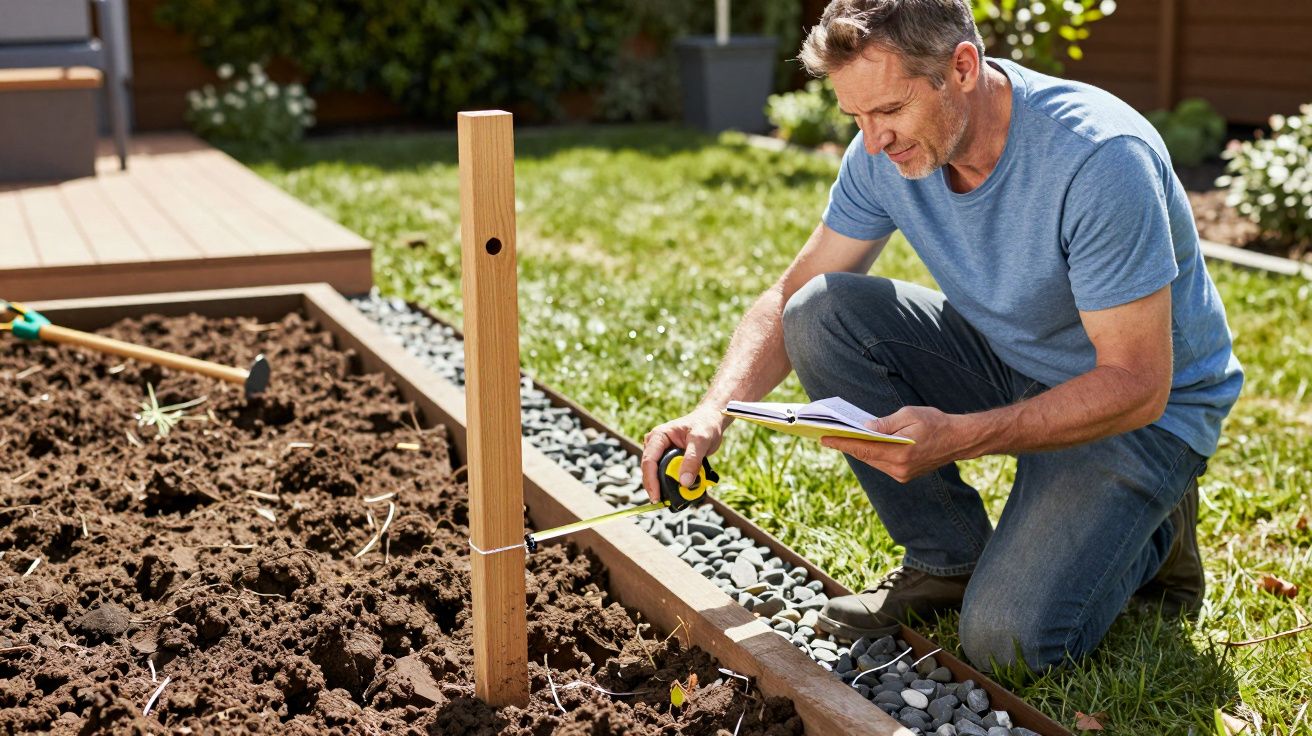
Most homeowners think fences belong early in landscape design: draw a boundary, pick a style, get it installed. Professional gardeners often do the opposite, leaving fences surprisingly late because they’re the one element that locks everything else into place. Done too soon, they can trap you into awkward levels, poor drainage, and planting plans that will forever feel “almost right”.
The counter‑intuitive part is that this isn’t indecision. It’s sequencing. A fence is both a legal line and a physical object that interacts with soil, wind, light, sightlines, and how you actually move through the garden.
Why gardeners delay the fence decision
A fence feels like a simple purchase: panels, posts, a height, a colour. In practice it’s a piece of infrastructure, and infrastructure behaves badly when you design around it later.
Gardeners tend to wait because they want answers to questions that only show up once the space is measured, graded, and mentally “lived in”. They’re looking for the invisible pressures first: where water wants to go, where winter sun lands, where you need access, and what you want to hide versus frame.
Common reasons for delaying include:
- Levels and drainage: small changes in ground level can make a straight fence look wonky, or create gaps that invite pets (and foxes) in.
- Garden rooms and routes: the right fence line depends on paths, bins, sheds, and where you’ll actually walk with muddy boots.
- Light and wind: fences cast shade and create wind tunnels; plant choices change once you see those effects on a plan.
- Neighbour relations and rules: boundaries, heights, and “which side is yours” questions are easier to handle once the design intent is clear.
The planning mistake most people don’t notice
The classic DIY sequence is: fence first, then patio, then beds. It seems logical because it gives you a clean edge to work from. The problem is that fences are unforgiving reference points; they make any later compromise obvious.
A professional more often sketches the garden as a set of functions-sit, store, play, grow-then tests where the boundary treatment should help that function. Sometimes the “fence” becomes a mix: a solid run for privacy, open trellis for borrowed light, and a softer planted screen where you don’t need timber at all.
A fence is rarely just a line. It’s a decision about what you’re willing to see, hear, share, and maintain.
What gets decided before the fence goes in
Before committing to posts and panels, gardeners usually settle the items that are hardest to change later, or most expensive to redo. That tends to mean groundworks, circulation, and key views.
1) Levels, falls, and water
Even a gentle slope can turn into a headache. If you install a fence on raw ground, then later add a patio or regrade, you may end up burying the bottom rail, exposing the gravel board, or creating a channel that funnels water to your neighbour’s side.
A simple pre‑fence checklist looks like:
- Where does water sit after heavy rain?
- Do you need a French drain, soakaway, or permeable surfaces?
- Will any paving raise the finished ground level near the boundary?
- Are there tree roots that will shift posts over time?
2) Access and maintenance corridors
Gardeners design for the unglamorous moments: getting a mower to the back, bringing in compost, replacing a broken panel in five years. That can affect not just gates, but where fence runs start and stop.
Things pros pin down early:
- Gate position and opening direction
- Bin storage and wheelie‑bin routes
- Shed base location (and whether you can get a sheet of ply past the fence)
- A narrow “service strip” for painting, repairs, and cutting back climbers
3) Sightlines, privacy, and “borrowed” space
A tall fence can give privacy-and also steal the last of your evening light. A low fence can feel friendly-and expose your seating area to every upstairs window. Designers often map out the views from inside the house first, then decide where solid screening is essential and where it’s overkill.
A common approach is to allocate the boundary into roles:
| Boundary section | Desired effect | Typical solution |
|---|---|---|
| Seating area backdrop | Privacy + calm | Solid closeboard or slatted screen |
| Near planting | Light + softness | Trellis, open hit‑and‑miss, or hedge |
| Utility zone | Hide clutter | Taller fencing, gate, or enclosure |
How fences interact with planting (in ways people forget)
Planting plans are not neutral to fences. The material, colour, and permeability change the microclimate right at the edge-exactly where many gardens need their best performance.
Gardeners will often finalise:
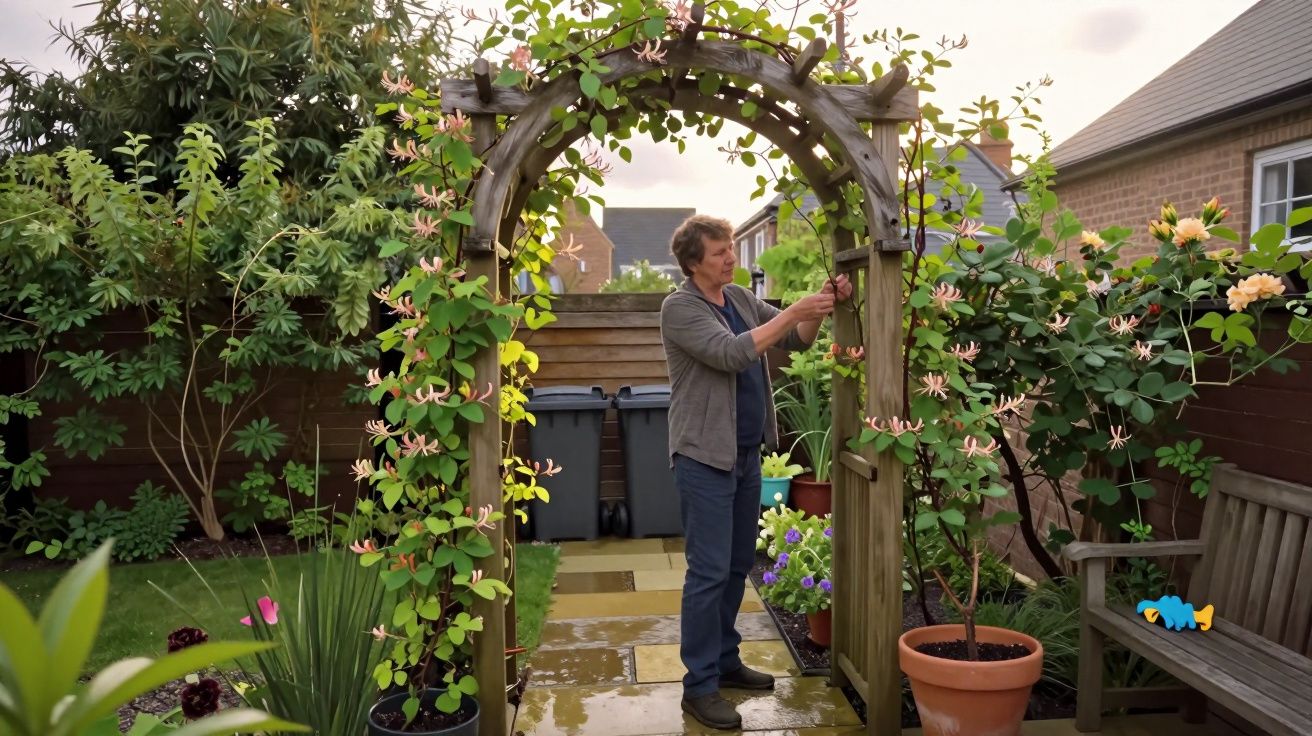
- Climbers and supports: roses and clematis need structure, but they also accelerate fence ageing by trapping moisture.
- Root space: narrow borders along fences dry out quickly; you may need wider beds, irrigation, or a different screen strategy.
- Wildlife and gaps: fully sealed boundaries can block hedgehog routes; intentional gaps might matter more than perfect neatness.
- Finish colour: dark stains can make planting pop, but also show algae; pale paints brighten shade but require more upkeep.
If you choose the fence first, you often end up trying to “fix” a bad edge with plants that resent the conditions. If you choose the conditions first, the fence becomes a tool rather than a constraint.
The professional sequence (and what you can copy)
You don’t need a full design package to borrow the order of operations. The point is to protect yourself from expensive rework and from a garden that feels boxed in.
A practical sequence many pros follow:
- Measure and confirm boundaries (including any title plan quirks and existing posts).
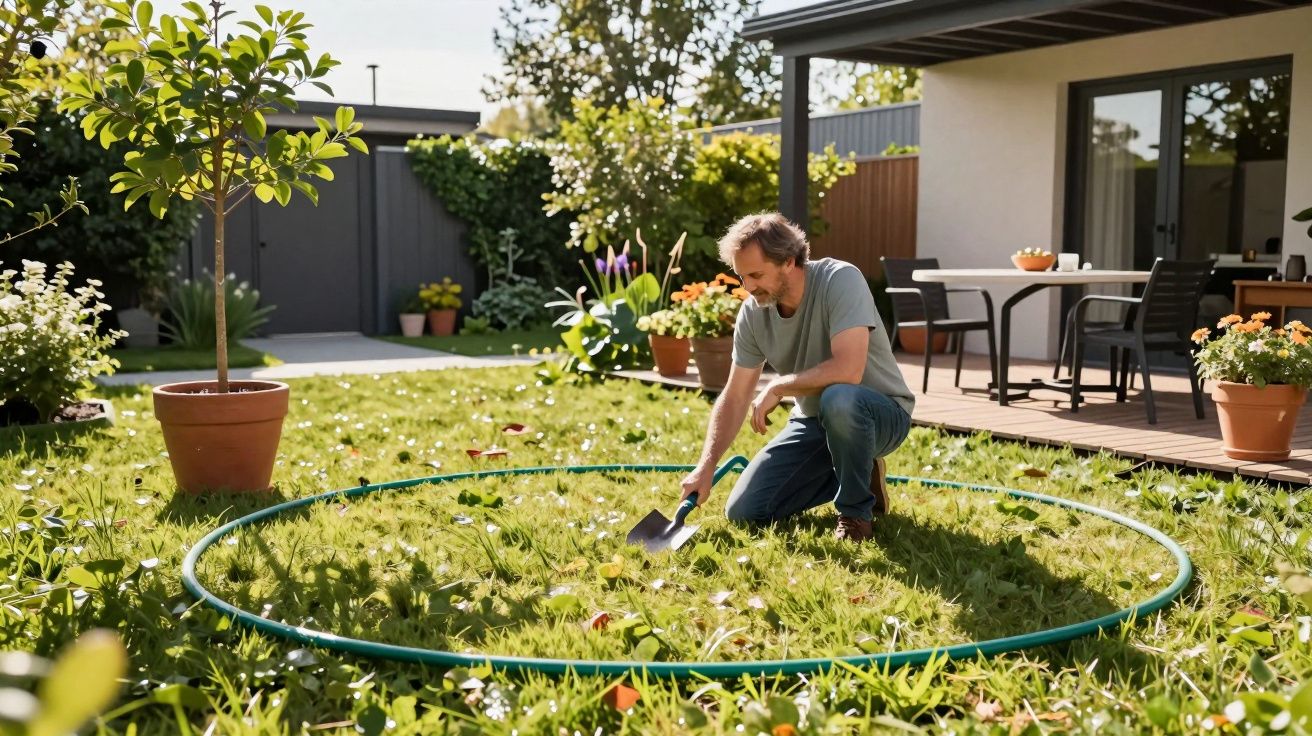
- Decide garden uses: seating, kids, veg, storage, access.
- Set levels and surfaces: patio height, path lines, drainage.
- Place big objects: shed, greenhouse, pergola, bins, water butt.
- Plan privacy and views from key windows and seating.
- Choose the fence specification: height, style, materials, gate, and finishes.
- Then plant to suit the final microclimate and edges.
If you only change one habit, make it this: don’t pick fence height and style until you’ve decided where you’ll sit and where your main planting will go.
When you shouldn’t wait
There are times when fences genuinely belong early. If safety or legality is the driver, delay can cost more.
Bring fences forward if:
- You need immediate security (dogs, children, exposed rear access).
- The boundary is in dispute and requires clear demarcation.
- You’re coordinating with neighbours on a shared run and need to align schedules.
- You’re protecting new hard landscaping from wind exposure in an open site.
Even then, professionals still do a quick “future garden” check-so today’s fence doesn’t block tomorrow’s path or patio level.
A quieter way to think about it
People buy fences to finish a garden. Gardeners treat fences as one of the last moves because it’s the move that makes everything else feel intentional.
If you plan the ground, the routes, and the views first, the fence stops being a panicked purchase and becomes a precise answer: privacy where you need it, light where you want it, and a boundary that looks like it always belonged there.




Comments (0)
No comments yet. Be the first to comment!
Leave a Comment