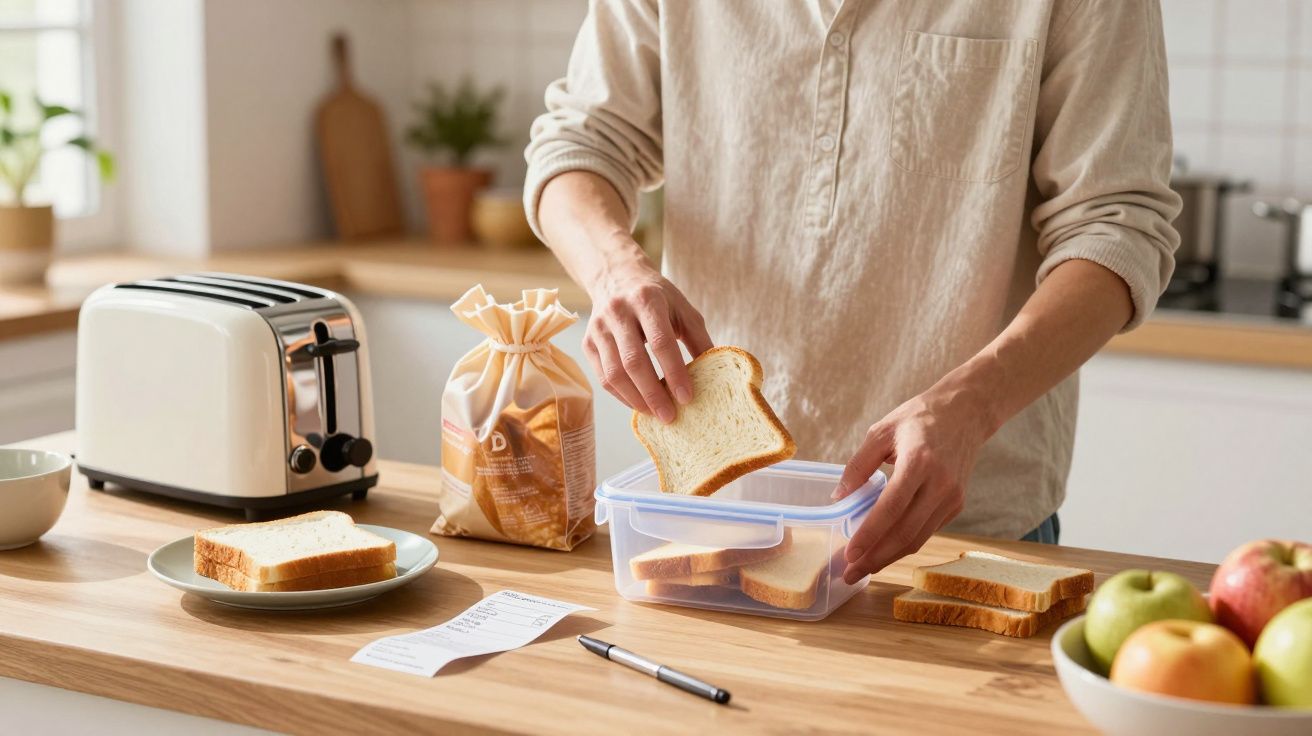
It usually starts at the toaster, half-awake, when you reach for something reliable and find it’s the small details that calm the morning down. Warburtons is that kind of kitchen constant in the UK - the bread you use for a quick sandwich, the crumpets you lean on when the week is running away with you - and lately it’s become a neat clue to a bigger shift in how we buy “everyday” food. I first noticed it in the oddest place: a customer-service chat transcript that began with the line, “of course! please provide the text you would like me to translate.” It was meant to be helpful, but it read like the new world in miniature: brands trying to sound human, supply chains trying to stay smooth, and all of us trying to keep breakfast feeling normal.
Because the bigger trend isn’t just about bread. It’s about what happens when a staple product gets pulled into the same forces that have reshaped banking, streaming, and even how we keep mint alive on a windowsill: small optimisations, quiet price moves, and a constant nudge towards “better” tiers.
The loaf that tells on the whole system
Bread is meant to be boring. It’s supposed to sit there, soft and dependable, not making you think too hard about wheat futures or energy costs or whether your favourite slice has shrunk by two millimetres. When something as ordinary as a Warburtons loaf starts to feel like a data point, it’s because the background machinery has got louder.
Look at what you’ve probably noticed without naming it: more “seeded” variants, more “protein” claims, more premium positioning for what used to be the default. Meanwhile, the baseline loaf becomes a battleground of pennies - held steady here, nudged up there, bundled in promotions that make you feel like you’re the one getting a win.
This is the modern supermarket pact: keep the staples emotionally stable, and move the margin elsewhere.
What Warburtons is really selling now (hint: it’s not just bread)
Warburtons still sells bread, obviously. But in practice it also sells predictability - the sense that one small part of your day won’t turn into a decision fatigue spiral.
That’s why the brand’s strength maps so cleanly onto the bigger trend: trust has become a product feature. When households are watching prices, they don’t just trade down; they also cling to a handful of items that feel “safe”. The loaf becomes a tiny anchor.
Under that, three things are happening at once:
- Premiumisation of the middle. Not everyone buys the posh sourdough, but a lot of people will pay a little extra for “half and half”, “seeded”, “thin bagels”, “soft white rolls” - familiar formats with a better story.
- Micro-changes instead of big announcements. Prices, pack sizes, promos, and recipes rarely shift with fanfare. They just… update. You notice when the bag feels lighter, or the “two for” deal stops appearing.
- Brand voice as customer service armour. The internet expects replies, explanations, reassurance. Even when a message is clearly templated, the tone matters because it signals whether a company thinks you’re a nuisance or a person.
The odd “please provide the text you would like me to translate” line lands here. It’s the sound of automation wearing a friendly jumper.
The quiet economics behind your toast
It doesn’t start with a scandal; it starts with a spreadsheet. Bread is exposed to the unglamorous stuff that has been biting everything else: energy, labour, transport, packaging, and ingredients that wobble in price depending on weather and geopolitics.
Brands and supermarkets have a few levers, and none of them look good in a press release. So they pull them quietly.
The levers you can actually feel
You can often spot them without reading a single corporate statement:
- Promotions become the “real” price. You stop thinking of the shelf label as truth, and start thinking in loyalty-card logic.
- Range expansion masks pressure. More variants mean more room to shift shoppers into slightly higher-margin choices without calling it a price rise.
- Portion and pack tweaks. A few grams here, a slightly different slice count there - changes that are too small to start a boycott, but big enough to matter at scale.
None of this is unique to Warburtons. That’s the point. A brand you associate with packed lunches is operating inside the same playbook as banks restructuring fees: make the changes legible enough to be legal, but not loud enough to be headline news.
The new “staple strategy” at home: cling, swap, rotate
When money is tight, people don’t behave like spreadsheets. They build routines that protect their sanity.
What I see more and more - and what Warburtons fits neatly into - is a three-part household strategy:
- Cling to a few trusted staples. The bread your kids will eat. The tea you can drink without thinking. The cereal that doesn’t trigger complaints.
- Swap everything else. Own-brand pasta, rotating yoghurts, whatever meat is reduced. You become flexible where it hurts least.
- Rotate treats through “upgrades”. Instead of buying a separate luxury, you buy the slightly nicer version of something you already need: seeded rolls, thicker bagels, the “best of both” loaf.
This is why a familiar bread brand matters. It’s not a lifestyle flex; it’s a coping mechanism that looks like shopping.
What to do if you want to spend less without making breakfast miserable
The goal isn’t to turn your kitchen into homework. It’s to keep the bits of the day that need to work - working.
A few moves that help, without the purity spiral:
- Track bread waste for one week. Not in an app, just a note: how many slices go stale, how many crusts get binned. Waste is usually the hidden cost, not the loaf price.
- Freeze proactively, not as a rescue. Slice-based freezing turns bread into a utility: toast on demand, fewer “we must eat this today” dinners.
- Pick your “never compromise” items. If Warburtons is one of yours, fine. Save the experimentation for things that won’t ruin a school morning.
- Don’t chase every promo. Supermarket deals are designed to make you feel clever and slightly rushed. Choose two stores max, or you’ll pay in time and impulse buys.
The trick is to be deliberate in small ways. Not perfect. Just awake to the pattern.
The bigger trend no one expected: the ordinary is now a battleground
For years, the interesting stories were supposed to be in tech: phones, apps, AI, whatever the new thing was. But the real tension has moved into the ordinary - the loaf, the milk, the direct debit, the “little fees” of daily life.
Warburtons fits because it sits right at the junction of modern anxiety and modern habit. It’s a product that lives in your hands every day, which makes it a surprisingly good sensor for when the system shifts: when prices creep, when choice multiplies, when brand “friendliness” becomes a strategy rather than a personality.
You don’t need to obsess over it. But it’s worth noticing. When the most normal thing in your kitchen starts to feel like part of a trend, it usually is.






Comments (0)
No comments yet. Be the first to comment!
Leave a Comment