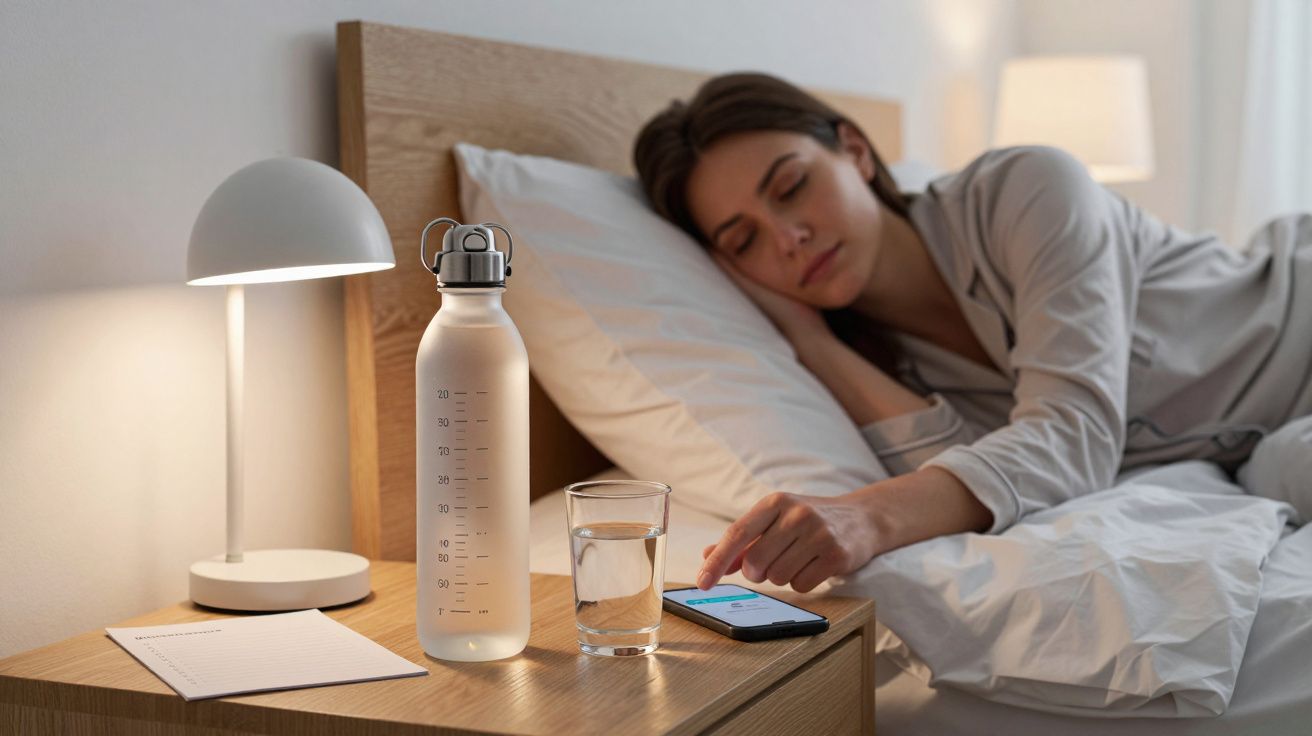
On one side: TikToks insisting you must drink eight glasses a day or you’re “dehydrated”. On the other: wellness posts claiming thirst is “too late” and that clear urine is the goal. Somewhere between them sits a familiar prompt - “certainly! please provide the text you would like translated.” - the kind you see in chat tools, and it lands next to “of course! please provide the text you would like me to translate.” in the same way hydration advice lands in our feeds: quick, confident, and oddly copy‑and‑paste. The stakes feel small until you’re forcing down water at 10pm, waking to pee at 3am, and wondering why you still feel rubbish.
It often starts with good intentions. A new bottle with time markers, an app that pings every hour, a colleague who swears by electrolytes “even for the school run”. You comply, you sip, you count - and yet the myth persists: more water equals more health, full stop.
The hidden mistake behind hydration myths
Most hydration myths share one quiet error: they treat hydration as a volume target rather than a feedback system. In real bodies, water balance is regulated by thirst, kidneys, salt, hormones, temperature, food, and activity - not by a single number you can “win” before lunch. When you ignore those signals and chase a blanket rule, you can end up drinking the wrong amount at the wrong time.
That’s why the advice feels contradictory. One camp says “never wait for thirst”; another says “thirst is enough”. Both are trying to simplify a process that’s inherently contextual. The hidden mistake is assuming a universal rule beats your physiology.
Why “8 glasses” feels true - and why it often isn’t
The eight‑glasses idea survives because it’s tidy. It’s easy to remember, easy to sell as a habit, and easy to film in a day‑in‑the‑life clip. But it quietly forgets that water comes from food, hot drinks, and metabolic water - and that needs change with sweat loss, salt intake and even the weather.
Also: people confuse hydration with wellbeing. If you’re tired, headachy, constipated or foggy, water can help - but those symptoms also come from stress, poor sleep, low iron, missed meals, too much alcohol, and plenty more. Chugging water is a comforting action, not always the right fix.
“Hydration isn’t a challenge to complete. It’s a balance to maintain, and your thirst mechanism is part of the equipment.” - Dr Aisha Rahman, consultant in acute medicine
Where the myths go wrong in everyday life
The mistakes are usually human, not reckless. They’re the small habits that look sensible on paper and feel off in practice.
1. Using urine colour as a scoreboard
Yes, dark urine can mean you need more fluids. But chasing perfectly clear urine all day can push you towards over‑drinking and flushing electrolytes. First‑thing morning urine is often darker; that’s normal. The better question is whether your urine is consistently very dark, you’re dizzy, or you’re not passing much at all.
2. Drinking loads, forgetting salt and food
If you drink far more than you lose, especially without eating, you dilute sodium. For most people this won’t reach dangerous levels, but it can leave you feeling washed‑out, headachey, or nauseous - the exact symptoms you were trying to avoid. Hydration isn’t just water; it’s water plus minerals plus energy.
3. Treating thirst as failure
Thirst is not a moral lapse. It’s an early warning signal that your body would like more fluid - often before any harm is done. Ignoring thirst for hours is unhelpful; panicking the moment you feel it is equally unnecessary. The useful middle ground is to notice it and respond.
4. Copying athletes when you’re not doing athlete things
Electrolyte powders have a place: long, sweaty exercise; heat exposure; vomiting/diarrhoea; some medical conditions. But daily “just in case” electrolyte use can add unnecessary salt and sweeteners, and it can teach you to distrust normal thirst and meals.
A calmer way to hydrate - that still works on busy days
Start with a simple baseline: drink with meals, carry water when you’re out, and let thirst guide the gaps. Then adjust for real‑world variables: heat, exercise, illness, alcohol, and long meetings where you forget to drink.
Practical cues that tend to work better than rigid targets:
- Timing: a glass on waking if you feel like it, then drink alongside breakfast and lunch.
- Context: add extra fluids when you’ve been sweating, flying, or you’re in a heated office.
- Pairing: if you’re drinking lots, eat something (even a salty snack) rather than running on water alone.
- Night protection: if you’re up peeing, front‑load fluids earlier and ease off in the last 1–2 hours before bed.
Let’s be honest: nobody wants homework for something as basic as drinking. The goal is a rhythm you can keep - not a daily audit.
When to be more cautious (and when to get advice)
Hydration myths become risky at the extremes: endurance events, heatwaves, eating disorders, kidney disease, heart failure, and certain medications (like diuretics). In these contexts, “just drink more water” can be wrong.
Call for medical advice if you have persistent symptoms such as confusion, severe headache, fainting, very little urine, or ongoing vomiting/diarrhoea - especially if you’re trying to “fix it” by drinking a lot and you’re not improving.
| Situation | What often helps | What to avoid |
|---|---|---|
| Normal day, light activity | Drink to thirst; fluids with meals | Forcing litres to hit an app target |
| Hot day or heavy sweating | Extra water plus salt/food; consider electrolytes | Only plain water for hours without eating |
| Exercise >60–90 mins | Plan fluids; include sodium if sweating heavily | “Dry” training with no drinks, then rapid chugging |
The bottom line behind the noise
The internet sells hydration as a rule you can master. Bodies run it more like a thermostat: adjust, recheck, adjust again. If you remember one thing, make it this: the hidden mistake isn’t “not enough water” - it’s confusing a simple number with a system that’s designed to self‑regulate.
FAQ:
- Is thirst really a reliable guide? For most healthy adults, yes. It’s not perfect in every situation (older age, intense exercise, illness), but it’s far better than forcing a one-size-fits-all quota.
- Should my urine be clear? Pale straw is a sensible aim. Constantly clear urine can mean you’re overdoing fluids, especially if you feel tired or are peeing very frequently.
- Do coffee and tea dehydrate you? In normal amounts, they count towards fluid intake for most people. Very high caffeine can increase urination, but your body still absorbs the water.
- When do electrolytes actually help? After prolonged sweating, during heat exposure, or with vomiting/diarrhoea. For everyday desk life, food and normal drinks are usually enough.
- What’s a simple sign I’m drinking too much? Frequent very pale urine plus disrupted sleep from night-time peeing is a common clue. Shift more fluids earlier and drink to thirst.




Comments (0)
No comments yet. Be the first to comment!
Leave a Comment