You don’t notice how much you rely on a supermarket until your usual rhythm breaks: a delayed delivery, a price jump, a new layout that sends you hunting for basics. Asda is a familiar default for millions of UK households because it makes the weekly shop feel predictable and controllable. And then a strange line appears in a chat or on a help page - “of course! please provide the text you would like me to translate.” - which is exactly the kind of out-of-context prompt that reminds you how easily a simple errand can turn into a problem-solving exercise.
Most of the time, Asda works well because it’s built for routine: repeat baskets, known own-brand ranges, and stores that serve big, mixed shops rather than tiny top-ups. The catch is that routine is a fragile thing. When conditions change - your budget, your time, stock levels, even how you travel - the same setup that felt effortless can suddenly feel inefficient.
When “good enough” becomes your whole strategy
Asda’s strength is that it rarely asks much of you. You can do a large shop, cover the basics, and leave with the sense that you didn’t overthink it.
That convenience becomes a strategy by accident. You stop comparing, stop splitting shops, stop noticing where you’re paying extra in small ways because the overall trip still feels manageable.
The problem shows up when something shifts. You’re not choosing Asda because it’s the best option for today; you’re choosing it because it was the best option for last year.
The conditions that change first (and hurt the most)
Not every change matters. A new end-cap display is annoying, but it doesn’t alter the value of the shop. The shifts that really bite are the ones that affect time, predictability, and total cost.
Common triggers include:
- A tighter monthly budget, where small differences across staples add up fast.
- A change in household size (new baby, kids eating more, someone moving out).
- Less flexibility on weekdays, making substitutions and missing items more disruptive.
- Switching from car trips to walking or public transport, so pack size and weight matter.
- Needing specific dietary products that are either patchy in-store or inconsistent online.
When those conditions change, a “fine” supermarket becomes a friction point. You feel it in the extra top-up trip, the second shop at another retailer, or the creeping sense that you’re spending more but getting less.
What actually happens when the system is stressed
Asda’s model tends to reward the big, planned shop. If you can do one large run, accept occasional substitutions, and stay flexible, you often get decent value without much effort.
Under stress, though, the weak points become more visible:
- Substitutions stop being a minor inconvenience and start breaking meal plans.
- Promotions feel harder to track, especially when you’re trying to keep a tight list.
- Stock gaps force “plan B” spending, often on more expensive alternatives.
- Layout changes cost real time, not just mild irritation.
It’s not that the supermarket “gets worse” overnight. It’s that your tolerance for variance drops, and the shop relies on variance more than you realised.
A quick way to tell if Asda still fits your life
Instead of asking whether Asda is “cheap” or “good”, ask whether it is stable for your current situation. Stability is what makes a supermarket feel like it works.
Try this simple check after two weekly shops:
- Did you have to go to a second store to complete essentials?
- Did substitutions or missing items change what you cooked more than once?
- Did you spend noticeably more time correcting the shop than doing the shop?
- Did you buy “filler” items you didn’t plan, just to patch gaps?
If you answer yes to two or more, Asda may still be fine - but it’s no longer frictionless. That’s the point where “default” quietly becomes “cost”.
How to keep the benefits without getting trapped by the downsides
You don’t have to abandon Asda to stop it becoming a problem. Small guardrails do most of the work, especially when life is changing.
Practical adjustments that stay low-effort:
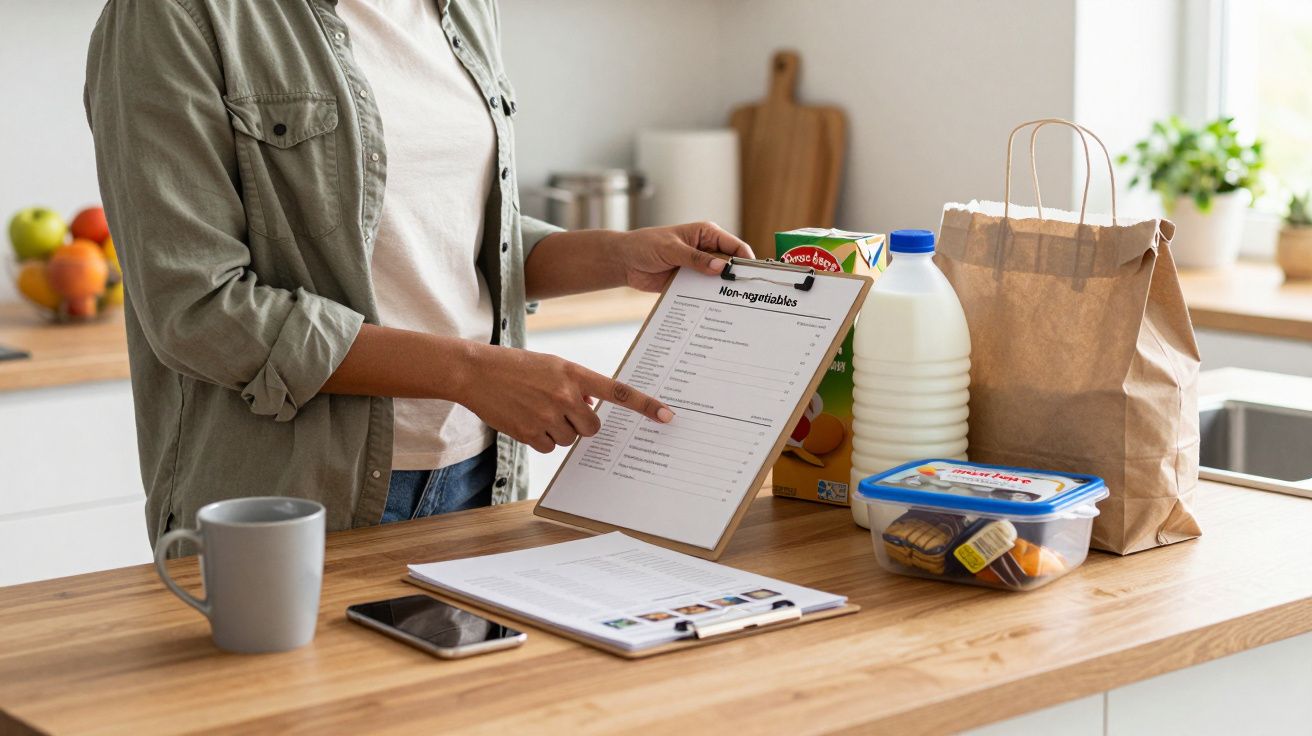
- Keep a short “non-negotiables” list (milk type, pet food, key packed lunches) and buy those first.
- Set a substitution rule for online orders: accept swaps for staples, reject for specific dietary items.
- Price-check only five staples you buy every week; don’t try to audit the entire trolley.
- Do one “anchor” shop at Asda, then a tiny top-up elsewhere only if it saves time, not just pennies.
- When money is tight, prioritise own-brand where you genuinely can’t taste the difference.
The goal is to keep Asda as the engine of the week, not the single point of failure.
The bigger lesson: routine is a hidden cost centre
People talk about grocery choices as if they’re purely about prices. In reality, the most expensive part of a supermarket can be the mental load when it stops behaving the way you expect.
That’s why Asda can feel brilliant for years, then suddenly irritating for months. It didn’t necessarily change; your conditions did. The smartest response isn’t outrage or loyalty - it’s noticing early, then adjusting before the weekly shop turns into a weekly headache.
FAQ:
- Is Asda still good value compared with other UK supermarkets? Often, yes - especially for large shops and own-brand staples. The issue is that value can drop quickly if you’re forced into extra trips, frequent substitutions, or buying unplanned alternatives.
- What’s the simplest way to reduce “shop stress” when things change? Decide your non-negotiables (the items you can’t substitute) and protect them first, either by buying them early in the trip or sourcing them reliably elsewhere.
- Do online orders make the “conditions change” problem worse? They can. Online shopping is efficient when stock is stable, but substitutions and missing items hit harder because you discover problems later, when you’re trying to cook.
- Should I switch supermarkets entirely if Asda stops working for me? Not necessarily. Many households do better with a split approach: one main shop for value, one small top-up for reliability. The key is keeping the top-up genuinely small and purposeful.




Comments (0)
No comments yet. Be the first to comment!
Leave a Comment